4 Key Winter Strategies for Snow Bush ❄️
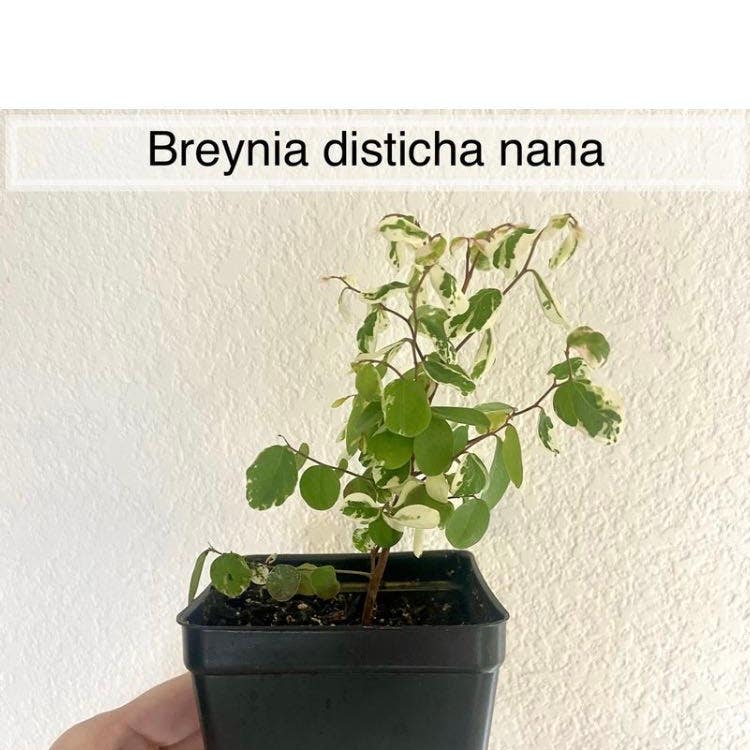
Breynia disticha 'Rosea Picta'
By the Greg Editorial Team
Oct 22, 2024•5 min read
This article was created with the help of AI so we can cover more plants for you. May contain errors. See one? Report it here.
- ❄️ Frost protection is vital for Snow Bush to prevent winter damage.
- 🌬️ Windbreaks and mulch help insulate and shield Snow Bush from harsh conditions.
- 🌱 Adjust watering and fertilization to support Snow Bush health during winter months.
Winter Care Strategies
❄️ Frost Protection Techniques
Frost protection is crucial for the health of your Snow Bush. Without it, your plants can suffer from severe damage during cold snaps.
To shield your Snow Bush from frost, consider these effective methods:
- Covering with Frost Cloth or Burlap: During particularly cold nights, draping your plants with frost cloth or burlap can provide a protective barrier against freezing temperatures.
- Using Mulch: A layer of mulch around the base helps insulate the roots and soil, maintaining a more stable temperature.
- Creating Windbreaks: Erecting barriers, like fences or shrubs, can reduce exposure to harsh winds that exacerbate frost damage.
💧 Adjusting Watering Schedules
Winter is a time to rethink your watering routine for Snow Bush. Adjusting your schedule is essential to prevent root rot and ensure healthy growth.
Here are some guidelines for winter watering:
- Reduce Watering Frequency: As temperatures drop, your Snow Bush needs less water. Overwatering can lead to root rot.
- Check Soil Moisture Levels: Always check the soil moisture before watering. This helps you avoid unnecessary watering.
Watch for signs of overwatering, such as yellowing leaves, or underwatering, indicated by wilting. Both can be detrimental during the winter months.
🌱 Fertilizing in Winter
Even in dormancy, your Snow Bush has specific fertilization needs. Understanding these can set the stage for a vibrant spring.
When it comes to winter fertilization, consider the following:
- Types of Fertilizers: Slow-release fertilizers are ideal for winter, as they provide nutrients gradually. Liquid fertilizers can also be used but should be applied sparingly.
- Timing: Fertilize your Snow Bush in late winter, just before the growing season begins. This prepares the plant for a robust spring growth.
By following these winter care strategies, you can ensure your Snow Bush remains healthy and ready to thrive when spring arrives. Next, let’s explore how to care for your Snow Bush indoors during the colder months.
Indoor Winter Care
🏠 When to Bring Indoors
As winter approaches, it's crucial to recognize the signs that indicate it's time to bring your Snow Bush indoors. Look for wilting leaves, discoloration, or a general decline in vigor; these are clear signals that your plant needs a warmer environment.
The ideal indoor conditions for Snow Bush include a temperature range of 60-70°F (15-21°C) and a location that avoids drafts. This will help your plant thrive during the colder months.
🌞 Indoor Care Requirements
Light Requirements
Snow Bush loves light, so place it near a south-facing window where it can soak up as much sunlight as possible. If natural light is limited, consider using grow lights to ensure your plant gets the brightness it craves.
💧 Humidity Levels
Maintaining adequate humidity indoors is essential for your Snow Bush. Aim for a humidity level of around 40-60%; you can achieve this by misting the leaves or using a humidifier.
🌱 Watering and Fertilization Adjustments
Adjust your watering schedule for indoor Snow Bush to prevent overwatering. Check the soil moisture regularly; it should be dry to the touch before you water again.
During winter, reduce fertilization to once a month with a diluted liquid fertilizer. This will support your plant without overwhelming it during its dormant phase.
By following these indoor care requirements, your Snow Bush will remain healthy and vibrant throughout the winter. As you nurture it indoors, you'll be setting the stage for a robust spring growth.
Spring Preparation
Signs of Recovery from Winter Damage 🌱
As winter fades, it's essential to recognize the signs that your Snow Bush is bouncing back. Look for new growth, vibrant green leaves, and the absence of wilting or discoloration.
Common indicators of frost damage include brown or blackened leaves and stunted growth. If you spot these issues, don’t worry; recovery is often just around the corner.
Preparing for Spring Growth 🌼
To set your Snow Bush up for a thriving spring, start with pruning. Remove any dead or damaged branches to encourage healthy growth.
Next, as temperatures rise, gradually reintroduce fertilizer. This helps replenish nutrients and supports robust development.
Finally, keep an eye out for pests and diseases. Early detection is key to ensuring your Snow Bush remains healthy as it enters the growing season.
With these steps, you’ll be well on your way to a flourishing garden. Transitioning from winter to spring can be a rewarding experience, so embrace the process and enjoy the growth ahead!
Common Winter Problems and Solutions
❄️ Identifying and Addressing Frost Damage
Frost damage can be a real concern for Snow Bush during the winter months. Look for symptoms like discoloration of leaves, wilting, and dieback, which indicate that your plant is struggling.
To manage frost damage effectively, start with immediate care steps. Trim away any dead or severely damaged branches to promote healthy growth.
For long-term prevention, consider implementing protective measures. Use frost cloths or burlap during cold snaps, and create windbreaks to shield your plants from harsh winds.
🥶 Cold Hardiness Issues
Different varieties of Snow Bush have varying levels of cold hardiness. Understanding these differences is crucial for selecting the right type for your climate.
To improve cold hardiness, choose varieties suited to your specific conditions. Additionally, winterizing techniques, such as mulching and proper watering adjustments, can enhance your plant's resilience against the cold.
By being proactive about frost damage and cold hardiness, you can ensure your Snow Bush thrives even in the harshest winter conditions. This sets the stage for a vibrant spring growth, which we’ll explore next.
⚠️ Safety First
This content is for general information and may contain errors, omissions, or outdated details. It is not medical, veterinary advice, or an endorsement of therapeutic claims.
Always consult a qualified healthcare professional before using any plant as food, medicine, or supplement.
Never eat any plant (or feed one to pets) without confirming its identity with at least two trusted sources.
If you suspect poisoning, call Poison Control (800) 222-1222, the Pet Poison Helpline (800) 213-6680, or your local emergency service immediately.
Spotted an error? Please report it here.
Keep your Snow Bush thriving this winter ❄️ with Greg's tailored watering reminders and frost protection tips to ensure it flourishes come spring!