❄️ Good Temperature Range for Your Snow Bush
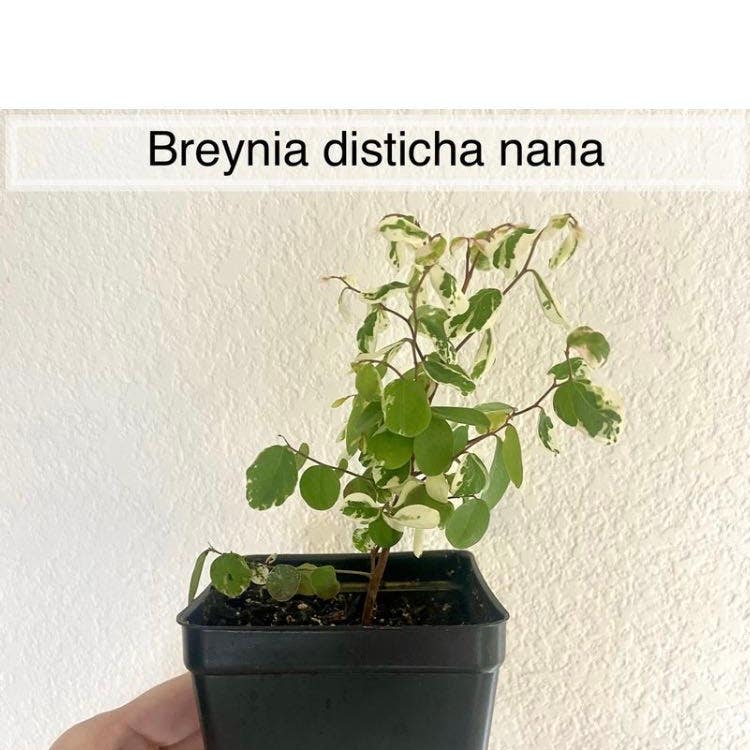
Breynia disticha 'Rosea Picta'
By the Greg Editorial Team
Oct 22, 2024•3 min read
This article was created with the help of AI so we can cover more plants for you. May contain errors. See one? Report it here.
- 🌡️ Temperature extremes cause wilting and leaf drop in Snow Bush. Monitor closely!
- ☀️🔥 Heat stress occurs above 85°F; shade and watering can help alleviate it.
- ❄️🧊 Cold stress below 32°F leads to frost damage; use frost cloths for protection.
Temperature Stress in Snow Bush
Signs of Temperature Stress 🌡️
Temperature stress can manifest in several noticeable ways. One of the first signs is wilting, where leaves droop and lose their turgor, making the plant look sad and lifeless.
Another indicator is leaf drop, where the plant prematurely sheds leaves in response to stress. Additionally, you may notice color changes, such as fading or browning of variegated leaves, which can signal that your Snow Bush is struggling.
Causes of Temperature Stress 🔍
Understanding the causes of temperature stress is crucial for effective care. Heat stress occurs when temperatures exceed 85°F (29°C) for prolonged periods, leading to symptoms like leaf scorch and reduced growth rates.
On the flip side, cold stress happens when temperatures dip below 32°F (0°C). This can result in frost damage, stunted growth, and even potential dieback, leaving your Snow Bush vulnerable.
Recovery Strategies for Stressed Snow Bush 🌱
If you notice your Snow Bush showing signs of stress, there are immediate actions you can take. Start by watering the plant to alleviate heat stress; this is an easy yet effective solution.
For more moderate difficulties, consider relocating pots to shaded areas during extreme heat. Lastly, during cold snaps, covering your plants with frost cloths can provide essential protection, making it an easy but vital recovery strategy.
By recognizing these signs and implementing recovery strategies, you can help your Snow Bush thrive despite temperature challenges. Next, let’s explore effective temperature management techniques to keep your plants healthy year-round.
Temperature Management Techniques
Methods to Regulate Temperature 🌡️
Managing temperature for your Snow Bush is crucial for its health. One effective method is using shade cloths to reduce heat exposure during peak sun hours.
These cloths can significantly lower the temperature around your plants, helping to prevent heat stress. They are easy to install and can be adjusted based on the sun's intensity.
Another option is to create a greenhouse environment. This controlled setting allows you to maintain optimal growth conditions year-round.
While setting up a greenhouse can be more complex, the benefits for your Snow Bush are substantial. You'll provide a stable environment that protects against temperature extremes.
Protective Measures Against Extreme Temperatures 🛡️
When temperatures drop, protective measures become essential. Frost cloths are a simple yet effective solution for covering your plants during cold nights.
These cloths help trap heat and shield your Snow Bush from frost damage. They are easy to use and can be quickly deployed when a cold snap is forecasted.
Additionally, consider insulating pots to protect the roots from temperature fluctuations. Using materials like bubble wrap or foam can help maintain a stable root environment.
This method requires a bit more effort but is worth it for the long-term health of your plants. By implementing these strategies, you can ensure your Snow Bush thrives despite temperature challenges.
As you explore these temperature management techniques, remember that a proactive approach can make all the difference. Next, we’ll delve into specific recovery strategies for stressed Snow Bushes, ensuring they bounce back stronger than ever.
⚠️ Safety First
This content is for general information and may contain errors, omissions, or outdated details. It is not medical, veterinary advice, or an endorsement of therapeutic claims.
Always consult a qualified healthcare professional before using any plant as food, medicine, or supplement.
Never eat any plant (or feed one to pets) without confirming its identity with at least two trusted sources.
If you suspect poisoning, call Poison Control (800) 222-1222, the Pet Poison Helpline (800) 213-6680, or your local emergency service immediately.
Spotted an error? Please report it here.
Ensure your Snow Bush thrives by mastering temperature management with Greg's tailored care tips and reminders, keeping your plant vibrant and resilient 🌿 through any weather!