❄️ How Long a Snow Bush Lives
Breynia disticha 'Rosea Picta'
By the Greg Editorial Team
Oct 22, 2024•6 min read
This article was created with the help of AI so we can cover more plants for you. May contain errors. See one? Report it here.
- 🌱 Snow bush germinates in 2-4 weeks with optimal light and moisture conditions.
- 🌼 Lifespan ranges from 5 to 10 years, thriving with proper care and environment.
- ✂️ Pruning encourages bushier growth and enhances the plant's aesthetic appeal.
Germination Stage
🌱 Duration of Germination
The germination period for a snow bush typically spans 2 to 4 weeks. This timeframe can vary based on several factors, including temperature, moisture levels, and light exposure.
🌿 Conditions for Successful Germination
To ensure successful germination, the snow bush requires well-drained, fertile soil. Aim for an optimal temperature range of 20°C to 25°C (68°F to 77°F), as this promotes healthy growth.
Light Conditions
Indirect sunlight is crucial during this stage. Too much direct light can lead to overheating, hindering the germination process.
📋 Summary
By providing the right conditions, you can set the stage for a thriving snow bush. With proper care, you’ll soon witness the exciting transition from seed to seedling.
Seedling Stage
Length of Seedling Stage 🌱
The seedling stage lasts about 4 to 8 weeks, during which the plant develops its true leaves. This period is crucial for establishing a strong foundation for future growth.
Characteristics of Seedlings 🌿
Seedlings start with small, simple leaves that are primarily green. Their growth habit is upright and compact, which helps them establish a robust root system.
As they progress, these seedlings become more resilient, setting the stage for the next phases of growth. Understanding this stage is vital for nurturing your snow bush effectively.
With the right care, your seedlings will thrive and transition smoothly into the vegetative growth stage. This sets the groundwork for a vibrant and healthy plant.
Vegetative Growth Stage
⏳ Duration of Vegetative Growth
The vegetative growth stage of a snow bush lasts between 3 to 6 months. This timeframe can vary based on environmental conditions, such as temperature and light availability.
🌱 Key Changes During This Stage
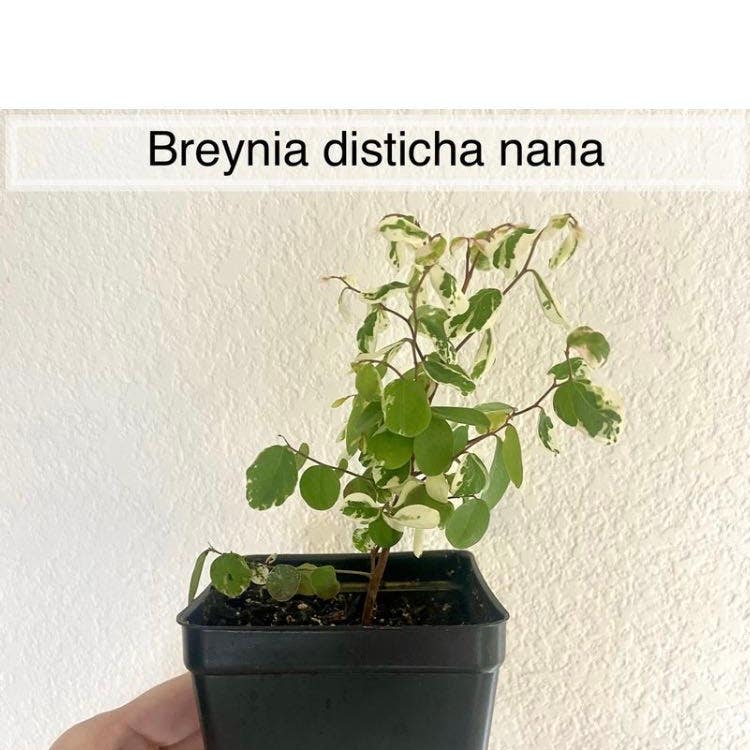
During this stage, you'll notice significant changes in the plant's appearance. The leaves transition to larger, variegated forms, showcasing distinctive white and green patterns that add visual interest.
The growth habit also shifts dramatically. Expect rapid vertical growth, with the plant reaching heights of up to 1 meter (3 feet) in just one growing season. This impressive growth not only enhances the bush's aesthetic appeal but also establishes a robust structure for future flowering and seed production.
As the snow bush matures, it requires careful attention to its care needs. Adjusting watering and fertilization practices will support its vigorous growth, ensuring it thrives as it moves toward the flowering stage.
This stage is crucial for setting the foundation for the plant's future development. With the right conditions and care, your snow bush will flourish, paving the way for a vibrant display in the coming months.
Next, we'll explore the flowering stage, where the snow bush begins to showcase its reproductive beauty.
Flowering Stage
🕒 Timeframe for Flowering
The flowering stage of a snow bush typically begins 6 to 12 months after germination. This timeframe can vary based on environmental conditions and care.
🌼 Description of Flowers and Their Significance
Snow bush flowers are small and often go unnoticed, appearing in shades of white or pale green. Despite their inconspicuous nature, these flowers play a crucial role in attracting pollinators, which are essential for the plant's reproductive cycle.
Pollination not only facilitates seed production but also contributes to the overall health of the ecosystem. By drawing in various pollinators, the snow bush supports biodiversity and enhances its surroundings.
As the flowering stage progresses, the plant shifts its energy from growth to reproduction. This transition is vital for ensuring the continuation of the species and highlights the importance of proper care during this phase.
In summary, the flowering stage is a pivotal moment in the life of a snow bush, marking the transition to reproduction and the vital role of pollinators. Understanding this stage can help you appreciate the plant's lifecycle and its impact on the environment.
Next, we will explore the seed production stage, where the snow bush takes the next step in its journey.
Seed Production Stage
Length of Seed Production Phase 🌱
The seed production phase lasts about 2-3 months after flowering. This is when the seeds mature, readying themselves for the next generation.
Process of Seed Formation 🌼
Seeds develop in small clusters once pollination is successful. This compact formation is crucial for the plant's reproductive success.
When it comes to harvesting, timing is everything. Collect the seeds when they turn brown and dry, ensuring they are fully matured for planting.
Understanding this stage is vital for anyone looking to propagate snow bushes effectively. With the right care and timing, you can ensure a thriving cycle of growth and renewal.
As we transition to the next section, let’s explore the overall lifespan and growth rate of these fascinating plants.
Overall Lifespan and Growth Rate
Average Lifespan 🌱
The snow bush typically enjoys a lifespan of 5 to 10 years when grown under optimal conditions. This longevity allows gardeners to appreciate its beauty for several seasons.
Growth Rate 📈
In ideal conditions, the snow bush can grow impressively, reaching up to 1 meter (3 feet) in a single growing season.
Comparison of Growth Rates 🌍
Growth rates can vary significantly based on environmental factors. Optimal conditions—think plenty of sunlight, adequate moisture, and nutrient-rich soil—promote the fastest growth. Conversely, poor conditions can slow down this vibrant plant considerably, making care and attention essential for a thriving snow bush.
Understanding these aspects of lifespan and growth rate can help you cultivate a healthy snow bush that flourishes in your garden. Next, let’s explore the notable changes throughout its life cycle.
Notable Changes Throughout Life Cycle
🌱 Physical Changes at Each Growth Stage
The life cycle of a snow bush is marked by distinct physical transformations.
Germination kicks off with the emergence of cotyledons, the first leaves that signal the plant's arrival.
As the plant enters the seedling stage, it develops true leaves and establishes a robust root system, setting the foundation for future growth.
During the vegetative stage, the snow bush experiences significant leaf expansion, showcasing variegated patterns that add visual interest.
Finally, in the flowering stage, the plant transitions from vegetative growth to reproduction, preparing to produce seeds.
🌿 Changes in Care Needs as the Plant Matures
As the snow bush matures, its care requirements evolve.
Watering frequency should be adjusted based on the growth stage and environmental conditions, ensuring the plant remains hydrated but not waterlogged.
During the flowering and seed production stages, the plant's fertilization needs increase, requiring more nutrients to support its reproductive efforts.
Pruning becomes essential as the plant grows, helping to maintain its shape and encourage bushier growth, which enhances its overall appearance.
These changes highlight the dynamic nature of plant care, emphasizing the need for attentive gardening practices.
Understanding these stages not only enriches your gardening experience but also fosters a deeper connection with your snow bush.
Next, we will explore the average lifespan and growth rate of this fascinating plant.
⚠️ Safety First
This content is for general information and may contain errors, omissions, or outdated details. It is not medical, veterinary advice, or an endorsement of therapeutic claims.
Always consult a qualified healthcare professional before using any plant as food, medicine, or supplement.
Never eat any plant (or feed one to pets) without confirming its identity with at least two trusted sources.
If you suspect poisoning, call Poison Control (800) 222-1222, the Pet Poison Helpline (800) 213-6680, or your local emergency service immediately.
Spotted an error? Please report it here.
Unlock the secrets to a thriving snow bush for up to 10 years 🌿 with Greg's tailored care tips and reminders that adapt as your plant grows!