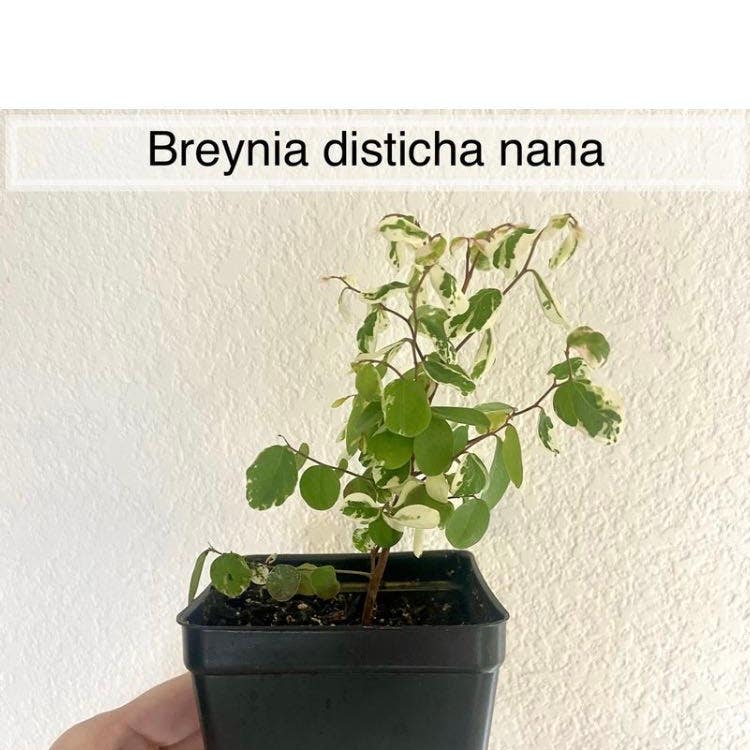
❄️ When and How to Repot Snow Bush
Breynia disticha 'Rosea Picta'
By the Greg Editorial Team
Oct 22, 2024•5 min read
This article was created with the help of AI so we can cover more plants for you. May contain errors. See one? Report it here.
- 🌱 Signs to repot: Roots out of holes or stunted growth indicate it's time.
- 🌼 Best time to repot: Spring is ideal for Snow Bush's active growth phase.
- 🛠️ Gather tools: Clean pot, soil, and pruning shears are essential for successful repotting.
Signs That Your Snow Bush Needs Repotting
🌱 Root Bound Indicators
One of the first signs that your Snow Bush needs repotting is when roots start growing out of the drainage holes. This is a clear indication that the plant has outgrown its current pot.
Another telltale sign is when you notice roots circling the pot. This behavior suggests that the plant is running out of space, which can hinder its growth.
🏺 Soil Condition
Next, take a look at the soil condition. If the soil feels compacted and isn't draining well, it's time for a change.
You should also check for salt buildup on the soil surface. This white crust can indicate that the soil is not providing the nutrients your plant needs.
🌿 Plant Health
Plant health is another crucial factor. If your Snow Bush exhibits stunted growth or yellowing leaves, it may be signaling that it needs more room to thrive.
Lastly, if the plant wilts despite adequate watering, it’s a strong sign that repotting is necessary. This could mean the roots are struggling to absorb water effectively.
Recognizing these signs early can help you maintain a healthy and vibrant Snow Bush. Next, let’s explore the best time of year to repot your plant for optimal results.
Best Time of Year to Repot Snow Bush
🌱 Seasonal Considerations
Spring is the golden season for repotting your Snow Bush. As the plant awakens from dormancy, it enters an active growth phase, making it the perfect time to give it a fresh start.
Avoid repotting during winter when the plant is resting or during the scorching heat of summer. These conditions can stress the plant and hinder its recovery.
⏰ Timing Based on Growth
Keep an eye on your Snow Bush's growth patterns. If you notice growth slowing down or roots peeking out of the drainage holes, it’s time to consider repotting.
By monitoring these signs, you can ensure your plant thrives in its new environment. A little attention goes a long way in keeping your Snow Bush healthy and vibrant.
Step-by-Step Guide to Repotting Snow Bush
Repotting your Snow Bush can seem daunting, but with the right steps, it’s a straightforward process. Let’s dive into how to do it effectively.
1. Gather Necessary Tools 🛠️
Before you start, make sure you have all the tools at hand. You’ll need a clean pot, potting soil, a trowel, gloves, and pruning shears.
2. Choose a New Pot 🪴
Select a new pot that is 1-2 inches larger in diameter than the current one. This extra space allows your Snow Bush to grow without feeling cramped.
3. Prepare the New Pot 🧱
Start by adding a layer of drainage material, like gravel or broken pottery, at the bottom. Then, fill the pot with a well-draining potting mix to ensure healthy root development.
4. Remove the Snow Bush from Its Current Pot 🌱
Gently loosen the soil around the edges of the pot. Carefully slide the plant out, supporting the base to avoid damaging the roots.
5. Inspect the Root System 🔍
Take a moment to check the roots. Trim any dead or damaged roots with sterilized shears, and loosen any tightly bound roots to encourage new growth.
6. Place the Snow Bush in the New Pot 🌼
Position the Snow Bush at the same soil level as it was in the previous pot. Fill in with potting mix, making sure to eliminate any air pockets for optimal soil contact.
7. Water Thoroughly 💧
Finally, water the plant thoroughly to settle the soil. This step is crucial for helping the Snow Bush adjust to its new home.
By following these steps, you’ll ensure your Snow Bush thrives in its new pot. Next, let’s explore the best pot material options to enhance its growth even further.
Pot Material Options for Snow Bush
🏺 Best Pot Materials
Choosing the right pot material is crucial for your Snow Bush's health. Terracotta pots are a top choice; they allow excellent air circulation and help control moisture levels.
Plastic pots are another option. They are lightweight and retain moisture well, but make sure they have drainage holes to prevent waterlogging.
🚫 Pot Materials to Avoid
Not all pots are created equal. Metal pots can heat up quickly in the sun, potentially damaging your plant's roots.
Additionally, avoid non-breathable materials. These can trap moisture and lead to root rot, which is a nightmare for any plant lover.
🌬️ Benefits of Using Breathable Pots
Opting for breathable pots has significant advantages. They enhance air circulation to the root system, promoting healthier growth.
Moreover, breathable pots help prevent overwatering and root rot, ensuring your Snow Bush thrives.
With the right pot material, your Snow Bush will not only survive but flourish. Next, let’s explore some common repotting mistakes to avoid for a seamless transition.
Common Repotting Mistakes to Avoid
🚫 Mistakes to Avoid When Repotting
Repotting your Snow Bush can be a rewarding experience, but it’s easy to make mistakes. One common error is choosing a pot that’s too large; this can lead to excess moisture retention, which may cause root rot.
Another pitfall is neglecting to check the drainage holes before repotting. Clogged or absent drainage can create a soggy environment that your plant simply can’t thrive in.
🛡️ How to Prevent Root Shock During Repotting
To ensure a smooth transition for your Snow Bush, gradual acclimatization is key. Introduce your plant to the new pot conditions slowly, allowing it to adjust without overwhelming it.
Additionally, avoid excessive root pruning. While it’s important to trim dead or damaged roots, over-pruning can stress the plant and hinder its recovery.
By steering clear of these common mistakes, you can help your Snow Bush flourish in its new home. Next, let’s explore the best pot materials to enhance your plant's growth.
⚠️ Safety First
This content is for general information and may contain errors, omissions, or outdated details. It is not medical, veterinary advice, or an endorsement of therapeutic claims.
Always consult a qualified healthcare professional before using any plant as food, medicine, or supplement.
Never eat any plant (or feed one to pets) without confirming its identity with at least two trusted sources.
If you suspect poisoning, call Poison Control (800) 222-1222, the Pet Poison Helpline (800) 213-6680, or your local emergency service immediately.
Spotted an error? Please report it here.
Repot your Snow Bush like a pro 🌱 with Greg's tailored reminders and expert tips, ensuring your plant enjoys a thriving new home!