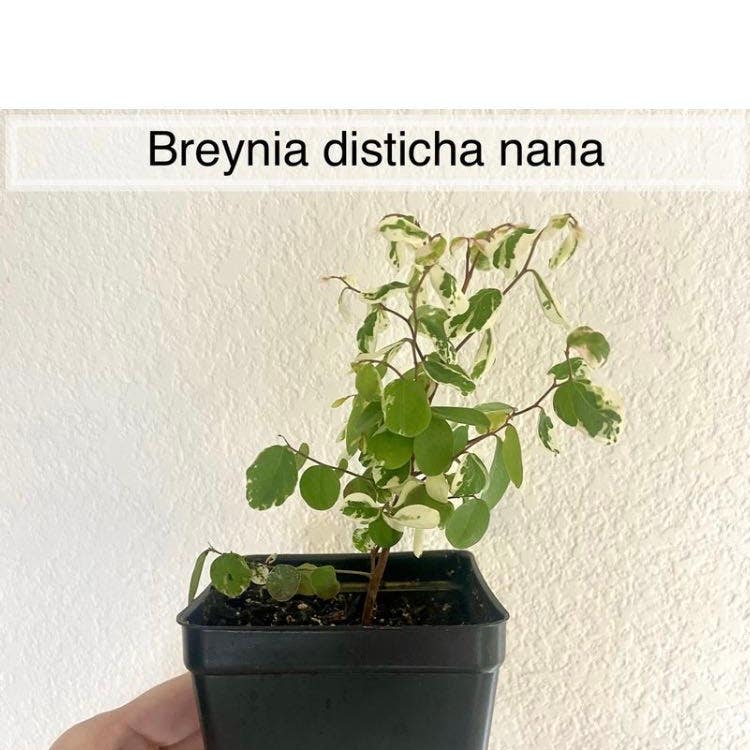
❄️ 9 Key Factors in Choosing a Snow Bush Pot
Breynia disticha 'Rosea Picta'
By the Greg Editorial Team
Oct 22, 2024•6 min read
This article was created with the help of AI so we can cover more plants for you. May contain errors. See one? Report it here.
- 🌱 Choose the right pot size for your Snow Bush's growth stage to ensure health.
- 💧 Proper drainage is essential; at least 3-5 holes prevent root rot.
- 🌍 Eco-friendly pots reduce transplant shock and promote healthy root growth.
Pot Size for Snow Bush
🌱 How Pot Size Affects Growth Stages
Choosing the right pot size is crucial for the growth of your Snow Bush.
Seedlings
For seedlings, a pot size of 4-6 inches in diameter is recommended. This size provides adequate space for initial root development, ensuring your young plants establish a strong foundation.
Young Plants
As your Snow Bush matures, transition to an 8-10 inch diameter pot. This size supports increased root growth and stability, allowing the plant to thrive.
Mature Plants
For mature plants, opt for pots that are 12-16 inches in diameter. These larger containers accommodate extensive root systems and help prevent root binding, which can stunt growth.
📏 Recommended Pot Sizes for Different Growth Stages
Seedlings
Start with small pots to prevent overwatering. This promotes healthy root establishment and sets the stage for future growth.
Young Plants
As your plant grows, transition to larger pots. This ensures enough room for root expansion, which is vital for overall health.
Mature Plants
Choose larger containers for mature Snow Bushes. This supports the plant's full size and maintains a balanced moisture level, crucial for its vitality.
Understanding pot sizes at each growth stage is key to nurturing a healthy Snow Bush. With the right pot, you set the stage for vibrant growth and flourishing foliage. Next, let’s explore the impact of pot materials on your plant’s health.
Pot Materials
🌱 Comparison of Clay vs. Plastic Pots
When choosing pots for your Snow Bush, consider the material carefully.
Clay Pots
Clay pots are known for their excellent breathability and good moisture retention. They also add an aesthetic touch to your garden.
However, they come with some downsides. Clay pots are heavier and can crack in freezing temperatures, which might be a concern in colder climates.
Plastic Pots
On the other hand, plastic pots are lightweight and durable. They are available in various sizes and are often more affordable than clay options.
Yet, they have their drawbacks too. Plastic pots are less breathable and can retain too much moisture if not monitored closely.
🌍 Benefits of Using Biodegradable Pots
Biodegradable pots are an eco-friendly choice that decomposes over time.
This option allows roots to penetrate into the ground when planted directly, promoting healthier growth.
Additionally, they help reduce transplant shock when moving to larger pots, making them a great choice for nurturing your Snow Bush.
💧 Impact of Pot Material on Moisture Retention and Temperature
The material of your pot significantly impacts moisture retention. Clay pots allow for evaporation, which helps prevent overwatering.
In contrast, plastic pots retain moisture longer, requiring you to be vigilant with your watering schedule.
Temperature regulation is another factor to consider. Clay pots can keep roots cooler in hot climates, while plastic pots may heat up more quickly, potentially stressing your plant.
Understanding these differences will help you make an informed decision that supports the health and vitality of your Snow Bush.
Next, let’s explore the importance of drainage considerations for your pots.
Drainage Considerations
Importance of Drainage Holes 🌊
Drainage holes are crucial for preventing waterlogging and root rot in your Snow Bush pots. Aim for at least 3-5 drainage holes at the bottom to ensure excess water can escape.
How to Ensure Proper Drainage in Pots 🏺
To maintain optimal drainage, follow these steps:
- Choose pots with built-in drainage holes.
- Use a layer of gravel or stones at the bottom of the pot.
- Consider potting mixes designed for good drainage.
These practices will help create a healthy environment for your plant.
Signs of Poor Drainage and Their Effects on Health 🚨
Watch for these signs that indicate poor drainage:
- Yellowing leaves: This often signals overwatering or root rot.
- Wilting despite adequate watering: This suggests waterlogged conditions.
- Root rot: Look for dark, mushy roots when inspecting the root system.
Addressing these issues promptly can save your Snow Bush from serious health problems.
By ensuring proper drainage, you set the stage for a thriving Snow Bush. Next, let’s explore the importance of repotting and when to do it.
Repotting Snow Bush
When to Repot 🌱
Repotting your Snow Bush is essential for its health. Aim to do this every 1-2 years or whenever you notice it's root-bound.
The best time to repot is early spring, just before the growing season kicks off. This timing helps your plant adjust and thrive in its new environment.
Signs That Indicate the Need for Repotting 🔍
Keep an eye out for a few telltale signs that your Snow Bush needs a new pot. If you see roots growing out of the drainage holes, it's a clear indication that it's time to repot.
Other signs include stunted growth despite proper care and soil that dries out too quickly after watering. These issues suggest that the plant is outgrowing its current home.
Step-by-Step Guide to Repotting 🛠️
Repotting may seem daunting, but it’s straightforward. Follow these steps for a smooth transition:
- Choose a New Pot: Select a pot that is 1-2 inches larger in diameter than the current one.
- Remove the Snow Bush: Gently take the plant out of its existing pot, being careful not to damage the roots.
- Inspect the Roots: Check for any damage or rot; trim away any unhealthy sections.
- Add Fresh Potting Mix: Place a layer of fresh potting mix in the bottom of the new pot.
- Position the Plant: Center the Snow Bush in the pot and fill in around it with more potting mix.
- Water Thoroughly: Give it a good drink to help settle the soil around the roots.
By following these steps, you can ensure your Snow Bush continues to flourish in its new pot.
As you care for your plant, remember that repotting is just one part of maintaining its health. Next, let’s explore how pot choice can influence overall plant vitality.
Pot Choice and Plant Health
🌱 How Pot Choice Influences Growth and Health
Choosing the right pot size and material is crucial for your Snow Bush's health. A well-selected pot enhances nutrient uptake and maintains moisture balance, promoting robust growth.
In contrast, inadequate pot selection can stunt growth and lead to poor foliage quality. It's essential to understand how these factors interact to ensure your plant thrives.
⚠️ Common Issues Related to Poor Pot Selection
One major issue is root binding, which occurs when a pot is too small. This can lead to nutrient deficiencies, as the roots struggle to absorb what they need.
Overwatering is another concern, especially in pots lacking adequate drainage. This can cause root rot, a serious problem that can jeopardize your plant's health.
Temperature stress is also a factor. Using improper materials can lead to overheating or excessive cooling of the roots, both of which can hinder growth.
🛠️ Tips for Maintaining Optimal Conditions in Chosen Pots
To keep your Snow Bush healthy, regularly check drainage holes for blockages. This simple step can prevent waterlogging and root rot.
Monitoring soil moisture levels is equally important. This helps you avoid the pitfalls of over or underwatering, ensuring your plant receives just the right amount of water.
As your Snow Bush grows, don't forget to adjust pot size accordingly. This proactive approach will help maintain optimal conditions and support your plant's continued health and vitality.
With the right pot choice and care, your Snow Bush can flourish beautifully, setting the stage for a vibrant garden.
⚠️ Safety First
This content is for general information and may contain errors, omissions, or outdated details. It is not medical, veterinary advice, or an endorsement of therapeutic claims.
Always consult a qualified healthcare professional before using any plant as food, medicine, or supplement.
Never eat any plant (or feed one to pets) without confirming its identity with at least two trusted sources.
If you suspect poisoning, call Poison Control (800) 222-1222, the Pet Poison Helpline (800) 213-6680, or your local emergency service immediately.
Spotted an error? Please report it here.
Select the perfect pot for your Snow Bush 🌿 with Greg's tailored reminders and expert tips, ensuring your plant flourishes in its ideal environment!