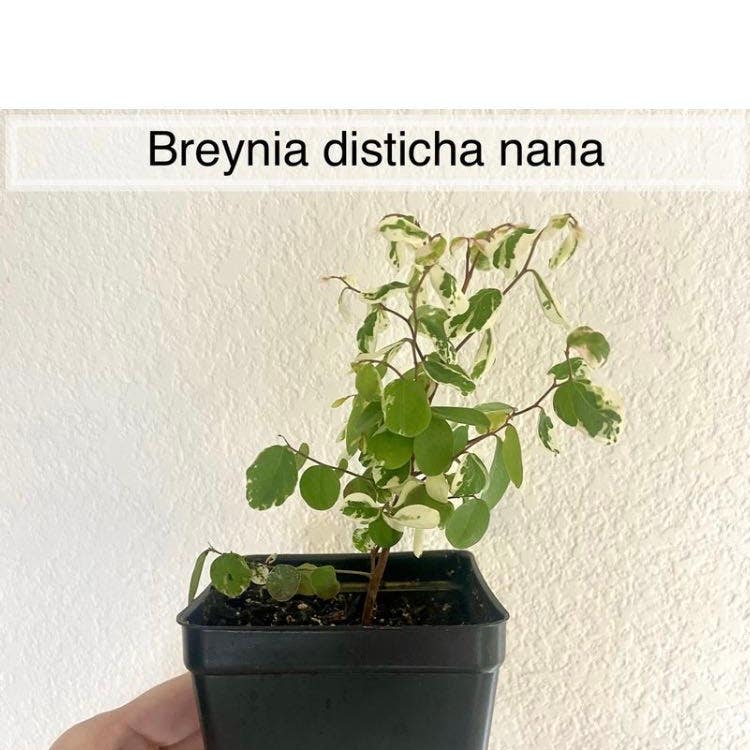
❄️ How to Fix Curling Leaves on Your Snow Bush
Breynia disticha 'Rosea Picta'
By the Greg Editorial Team
Oct 22, 2024•5 min read
This article was created with the help of AI so we can cover more plants for you. May contain errors. See one? Report it here.
- 🌱 Curling leaves indicate pests or environmental stress; inspect and adjust care accordingly.
- 🔍 Check leaf direction and color changes to effectively diagnose issues with your Snow Bush.
- 💧 Proper watering and light conditions are crucial to prevent curling and promote healthy growth.
Diagnosing Curling Leaves
Identifying Symptoms of Leaf Curl 🌿
Curling leaves on your Snow Bush can signal various issues. Start by observing the direction of the curl: is it upward or downward?
Color changes are also key indicators. Look for yellowing or browning edges, which can suggest stress or nutrient deficiencies.
Next, examine the leaf structure. Distortions like wrinkling or puckering can reveal underlying problems that need addressing.
Differentiating Between Pest Damage and Environmental Stress 🐜
Identifying pests is crucial for diagnosing leaf curl. Aphids, those small green insects, often hide on the undersides of leaves, while spider mites leave fine webbing and cause stippled leaves.
On the other hand, environmental stress can manifest differently. If you notice consistent curling across multiple leaves without any pests, it’s likely a sign of stress from factors like temperature or humidity changes.
Treating Curling Leaves
🌱 Step-by-Step Guide to Treating Curling Leaves
To effectively treat curling leaves on your Snow Bush, start by assessing the environmental conditions. Check the temperature and humidity levels to ensure they are within the ideal range for your plant.
Next, inspect for pests. Use a magnifying glass for a detailed examination of the leaves, focusing on the undersides where pests like aphids often hide.
Adjust your watering practices to promote healthy growth. Allow the top inch of soil to dry out before watering again, and ensure your pots have proper drainage holes to prevent waterlogging.
🐛 Recommended Treatments for Pests
If you identify pests, consider organic pest control methods. Neem oil is a great option; apply it every 7-14 days until the pests are gone.
Insecticidal soap can also be effective, especially for targeting aphids and spider mites directly. Make sure to follow the instructions on the product label for best results.
💧 Adjusting Watering Practices
Establishing a consistent watering schedule is crucial. Water your Snow Bush every 1-2 weeks, adjusting based on environmental conditions.
Use the finger test to check soil moisture. Insert your finger into the soil; if it feels dry up to your first knuckle, it’s time to water.
By following these steps, you can effectively treat curling leaves and promote a healthier Snow Bush. Next, let’s explore how to prevent future curling with best practices for care.
Preventing Future Curling
🌿 Best Practices for Snow Bush Care
Regular maintenance is key to keeping your Snow Bush healthy. Start with pruning; removing dead or damaged leaves encourages new growth and improves airflow.
Repotting is also essential. Aim to refresh the soil and nutrients every 1-2 years to give your plant a solid foundation.
📅 Seasonal Care Tips to Prevent Leaf Curl
Spring is the perfect time for fertilization. Use a balanced fertilizer every 4-6 weeks to support robust growth.
In winter, adjust your watering habits. Reduce frequency to allow your Snow Bush to enter dormancy, accommodating lower light conditions.
⚖️ Importance of Proper Fertilization
Nutrient balance is crucial for optimal growth. A balanced NPK ratio, like 10-10-10, ensures your plant receives the essential nutrients it needs.
Be mindful of over-fertilization. Signs include leaf burn, characterized by brown tips and edges, which can signal that your plant is struggling.
By following these best practices and seasonal tips, you can significantly reduce the chances of curling leaves in your Snow Bush. This proactive approach not only enhances plant health but also enriches your gardening experience.
Next, let’s explore how to monitor your plant's health effectively.
Monitoring Plant Health
Regular Checks for Signs of Stress 🌱
Keeping an eye on your Snow Bush is essential for its health. Weekly inspections can help you spot changes in leaf color, texture, and overall vigor.
Look for any signs of distress, such as yellowing leaves or unusual curling. Regularly monitoring temperature and humidity levels will also help you maintain a suitable environment for your plant.
How to Assess Soil Moisture and Nutrient Levels 💧
Soil moisture testing is crucial for preventing overwatering or underwatering. You can use a moisture meter for precise readings or simply perform the finger test—stick your finger into the soil to check for dampness.
For nutrient levels, consider using soil testing kits. These kits provide a comprehensive analysis, ensuring your Snow Bush receives the right balance of nutrients for optimal growth.
By staying vigilant and proactive, you can help your Snow Bush thrive and prevent future issues. Next, let’s explore common misconceptions about Snow Bush care that could be impacting your plant's health.
Common Misconceptions
🌨️ Myths About Snow Bush Care
One common misconception is that the Snow Bush thrives in direct sunlight. In reality, it prefers bright, indirect light to avoid leaf scorch.
Another myth is that daily watering is necessary for healthy growth. Overwatering can actually lead to root rot and curling leaves, so it's crucial to find the right balance.
☀️ Clarifying the Role of Sunlight and Water in Leaf Health
Understanding the importance of light is essential. Too much direct sunlight can cause leaf burn, which is detrimental to your plant's health.
Watering also requires a careful approach. Consistent moisture is vital, but it's important to avoid soggy conditions that can harm the roots.
By debunking these myths, you can create a healthier environment for your Snow Bush, ensuring it thrives and remains vibrant. Next, let’s explore how to monitor your plant's health effectively.
⚠️ Safety First
This content is for general information and may contain errors, omissions, or outdated details. It is not medical, veterinary advice, or an endorsement of therapeutic claims.
Always consult a qualified healthcare professional before using any plant as food, medicine, or supplement.
Never eat any plant (or feed one to pets) without confirming its identity with at least two trusted sources.
If you suspect poisoning, call Poison Control (800) 222-1222, the Pet Poison Helpline (800) 213-6680, or your local emergency service immediately.
Spotted an error? Please report it here.
Keep your Snow Bush curl-free 🌿 by using Greg's tailored care reminders and pest alerts to ensure it thrives in the perfect environment!