❄️ Understanding What It Means When Your Snow Bush Blooms
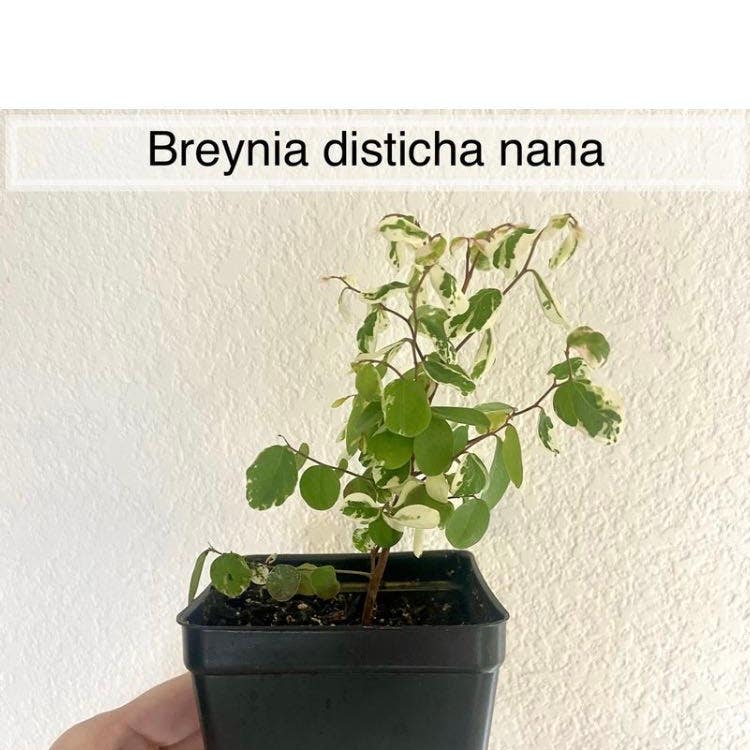
Breynia disticha 'Rosea Picta'
By the Greg Editorial Team
Oct 22, 2024•5 min read
This article was created with the help of AI so we can cover more plants for you. May contain errors. See one? Report it here.
- 🌼 Snow Bush blooms small flowers, often overshadowed by its vibrant foliage.
- ☀️🌡️ Light and temperature significantly affect Snow Bush flowering; ensure optimal conditions.
- 🌱 Proper fertilization is essential to prevent nutrient deficiencies that hinder blooming.
Flowering Status
Clarification on Flower Production 🌸
Snow Bush does indeed produce flowers, but don’t expect a floral spectacle. These blooms are typically small and often overshadowed by the plant's striking foliage.
Reasons for Non-Flowering ❓
Several factors can lead to a Snow Bush not flowering.
Environmental Conditions 🌤️
Insufficient light or improper temperature can hinder bloom production. If your plant isn’t getting enough sunlight, it may just be sulking.
Nutrient Deficiencies 🍽️
A lack of essential nutrients can also affect flowering. Ensure your Snow Bush is well-fed to encourage those blooms.
Plant Age ⏳
Younger plants may not flower until they reach maturity. Patience is key; give them time to grow up!
Understanding these factors can help you troubleshoot and encourage your Snow Bush to show off its flowers. Next, let’s explore what happens when your Snow Bush does bloom.
If Snow Bush Flowers
🌼 Flower Characteristics
Description of Colors and Structure
Snow Bush flowers are typically white or pale green, small, and quite inconspicuous. They grow in clusters, resembling a delicate flower spike, with individual flowers measuring less than 1 inch in diameter.
Self-Pollination vs. External Pollination
This plant is primarily self-pollinating, meaning it can produce seeds without needing external pollinators. However, external pollination can enhance seed production, adding a bit of variety to the process.
🌸 Blooming Process
Blooming Stages and Typical Bloom Time
The blooming process begins with bud formation, which starts in late spring to early summer. Flowers typically bloom during the summer months, depending on local climate conditions.
Duration from Bud Formation to Full Bloom
From the moment buds form, it takes approximately 4-6 weeks for the flowers to reach full bloom. This gradual process allows for anticipation and excitement as the plant prepares to showcase its beauty.
Lifespan of Flowers
Once in bloom, the flowers usually last about 1-2 weeks before wilting. This brief lifespan emphasizes the importance of appreciating their fleeting beauty.
🌱 Encouraging Blooms
Tips to Encourage Snow Bush to Bloom
To encourage your Snow Bush to bloom, consider these tips:
- Ensure it receives at least 6 hours of sunlight daily.
- Maintain proper watering practices to avoid over or under-watering.
- Fertilize with a balanced fertilizer during the growing season.
Factors Influencing Flowering
Several factors can influence flowering:
- Light Conditions: Insufficient light can lead to fewer blooms.
- Soil Quality: Nutrient-rich, well-draining soil promotes healthy blooming.
- Temperature: Warmer temperatures can enhance the plant's flowering potential.
🌿 Post-Flowering
What Happens After Flowering
After flowering, the Snow Bush may enter a period of dormancy or reduced growth. The flowers will drop, allowing the plant to focus on foliage growth, which is equally important.
Discussion on Whether Snow Bush Dies After Flowering
Rest assured, the Snow Bush does not die after flowering. It continues to thrive and can produce new growth in subsequent seasons, making it a resilient addition to your garden.
🐝 Pollination
Description of Pollination Methods
Self-pollination is the primary method for Snow Bush, but cross-pollination can occur with the help of wind or insects. For home gardeners, pollination is generally not a concern due to the plant's self-sufficient nature.
This understanding of flowering and pollination sets the stage for appreciating the unique characteristics of the Snow Bush. Whether it blooms or not, its ornamental features and resilience make it a valuable addition to any garden.
If Snow Bush Doesn't Flower
🌿 Primary Ornamental Features
The Snow Bush captivates with its striking variegated leaves. These unique patterns add a splash of visual interest, making it a favorite in tropical and subtropical landscaping.
🌱 Explanation of How It Reproduces Without Flowers
Interestingly, Snow Bush doesn't rely solely on flowers for reproduction. It can reproduce vegetatively through cuttings, allowing gardeners to easily propagate new plants without waiting for blooms.
This resilience makes it an excellent choice for those looking to expand their garden effortlessly. With its vibrant foliage and low-maintenance nature, the Snow Bush continues to thrive, even when it skips the flowering stage.
As we explore the next section, we'll delve into the unique aspects of this fascinating plant and its reproductive strategies.
Unique Aspects
🌼 Unusual Characteristics Related to Flowering
The Snow Bush's flowers are often small and inconspicuous, which can lead to misconceptions about its flowering capabilities. Many gardeners may overlook these blooms, focusing instead on the plant's striking variegated leaves that provide vibrant visual interest.
Different varieties of Snow Bush showcase unique foliage patterns, enhancing their ornamental appeal. This diversity makes them a favorite in landscaping, even when the flowers take a backseat.
📚 Interesting Facts About Reproductive Strategy
While the Snow Bush can produce flowers, many gardeners prefer to propagate it through cuttings. This method is not only easier but also more reliable, allowing for consistent growth without the need for flowering.
The plant's resilience in various climates adds to its charm, making it a popular choice for those seeking low-maintenance options. With its ability to thrive in tropical and subtropical environments, the Snow Bush continues to attract attention for its hardiness and beauty.
As we explore the next section, let's dive into how the Snow Bush can still flourish even when it doesn't flower.
⚠️ Safety First
This content is for general information and may contain errors, omissions, or outdated details. It is not medical, veterinary advice, or an endorsement of therapeutic claims.
Always consult a qualified healthcare professional before using any plant as food, medicine, or supplement.
Never eat any plant (or feed one to pets) without confirming its identity with at least two trusted sources.
If you suspect poisoning, call Poison Control (800) 222-1222, the Pet Poison Helpline (800) 213-6680, or your local emergency service immediately.
Spotted an error? Please report it here.
Unlock the blooming potential of your Snow Bush 🌼 with Greg's tailored care reminders and tips, ensuring you enjoy those fleeting flowers every season!