❄️ Managing Yellow Leaves on Your Snow Bush
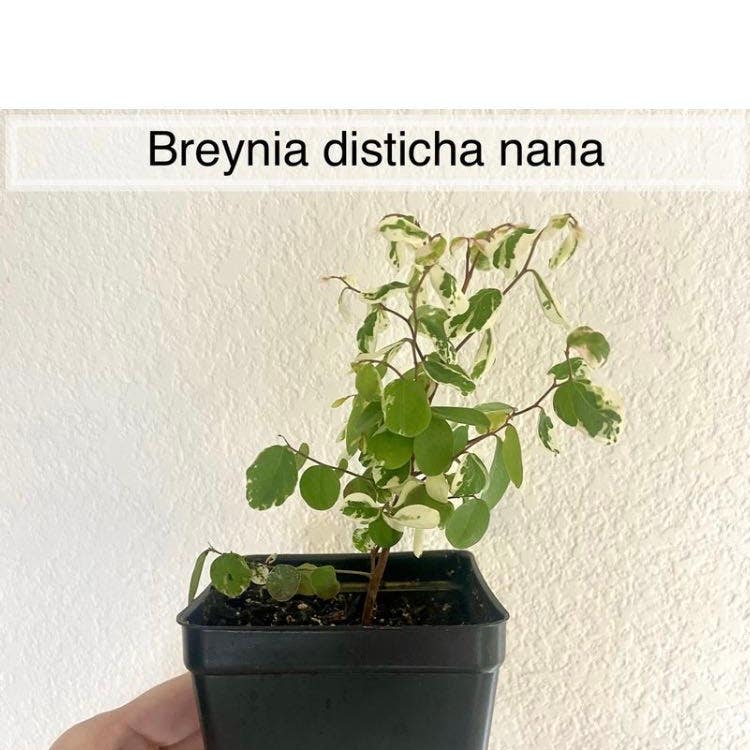
Breynia disticha 'Rosea Picta'
By the Greg Editorial Team
Oct 22, 2024•5 min read
This article was created with the help of AI so we can cover more plants for you. May contain errors. See one? Report it here.
- 🌱 Soil moisture is crucial; check regularly to prevent yellow leaves on your Snow Bush.
- 🧪 Nutrient deficiencies like nitrogen and iron cause yellowing; conduct soil tests for balance.
- 🐛 Pests like aphids can lead to yellow leaves; inspect regularly for infestations.
Diagnosing the Problem
Assessing Soil Moisture Levels 🌧️
Understanding soil moisture is crucial for your Snow Bush's health.
Techniques for Checking Moisture
Start with the finger test: insert your finger into the soil up to 2 inches. If it feels dry, it’s time to water.
For more accuracy, consider using a soil moisture meter. These tools provide precise readings, helping you avoid guesswork.
Signs of Overwatering vs. Underwatering
Overwatering often leads to yellow leaves and soggy soil. If your plant exhibits these symptoms, cut back on watering.
On the flip side, underwatering results in dry, crispy leaves. If you notice this, it’s a clear sign to increase your watering frequency.
Identifying Nutrient Deficiencies 🥦
Nutrient deficiencies can also cause yellowing leaves on your Snow Bush.
Visual Signs of Nutrient Deficiencies
Look for specific signs: nitrogen deficiency typically shows as general yellowing of older leaves.
Iron deficiency manifests as yellowing between leaf veins, creating a striking contrast.
Soil Testing Methods
To confirm nutrient levels, use home test kits to check pH and nutrient content.
Alternatively, sending soil samples to local labs can provide a comprehensive analysis, ensuring your plant gets what it needs.
Recognizing Pest Infestations 🐛
Pests can wreak havoc on your Snow Bush, leading to yellow leaves.
Common Pests Affecting Snow Bush
Aphids are a common culprit; they can be identified by their small size and the damage they cause.
Spider mites are another threat, often leaving fine webbing on leaves. Look closely to spot these pests before they multiply.
Inspection Techniques
Regularly check the undersides of leaves for pests.
Also, look for sticky residue or webbing, which are telltale signs of an infestation.
By diagnosing these issues early, you can take the necessary steps to restore your Snow Bush’s health. Next, let’s explore effective solutions for those pesky yellow leaves.
Solutions for Yellow Leaves
🌊 Adjusting Watering Practices
To keep your Snow Bush thriving, establish a consistent watering schedule. Aim to water every 1-2 weeks, adjusting based on weather conditions.
Make sure to water until it drains from the bottom. This ensures the roots receive adequate moisture without becoming waterlogged.
✅ Signs of Proper Watering
Check the soil moisture regularly. It should feel consistently moist but not soggy to the touch.
If the soil is too dry or overly wet, it can lead to yellowing leaves. Finding that sweet spot is key to a healthy plant.
🌱 Fertilizing Appropriately
Choosing the right fertilizer is crucial for your Snow Bush's health. Balanced NPK fertilizers are ideal, with a recommended ratio of 10-10-10.
Consider organic options like compost or slow-release fertilizers for a more natural approach. These can enrich the soil without the risk of chemical buildup.
⏰ Fertilization Schedule
Timing is everything when it comes to fertilizing. Apply fertilizers in early spring and again in mid-summer for optimal growth.
You can use either liquid or granular fertilizers, depending on your preference. Just ensure you follow the application instructions for the best results.
🐛 Treating Pests and Diseases
Pest control is essential for maintaining your Snow Bush's health. Organic methods, such as neem oil, can be effective; apply it every 7-14 days for best results.
Insecticidal soap is another option that works well against common pests. Just spray it directly on the affected areas, ensuring thorough coverage.
🦠 Monitoring for Disease
Keep an eye out for signs of root rot, which can manifest as yellowing leaves and wilting. If you suspect root rot, consider repotting the plant in fresh soil.
Maintaining plant hygiene is vital. Regularly remove dead leaves and debris to prevent disease and promote airflow around your Snow Bush.
With these solutions in place, your Snow Bush will be on the road to recovery. Next, let’s explore some preventative measures to keep your plant healthy year-round.
Preventative Measures
Best Practices for Snow Bush Care 🌿
Regular maintenance is key to keeping your Snow Bush healthy. Start with pruning; remove any dead or yellowing leaves to encourage new growth.
Cleaning is equally important. Wipe the leaves to prevent dust accumulation, which can hinder photosynthesis and overall plant health.
Seasonal Care Tips to Prevent Yellowing ☀️
Adjusting your care routine with the seasons can make a significant difference. In winter, reduce watering and protect your Snow Bush from cold drafts.
During summer, ensure it receives adequate shade and humidity. This helps prevent stress that can lead to yellowing leaves.
Monitoring Environmental Conditions 📊
Keeping an eye on environmental conditions is crucial for your plant's well-being. Use light meters to ensure your Snow Bush gets optimal light exposure.
Hygrometers can help you maintain ideal humidity levels. Adjust your care based on these readings to keep your plant thriving.
By implementing these preventative measures, you can significantly reduce the chances of yellow leaves on your Snow Bush. Next, let's explore when it's time to seek professional help for more serious issues.
When to Seek Professional Help
🛑 Signs That Indicate Serious Issues
If your Snow Bush continues to show persistent yellowing despite your best care efforts, it’s time to take a closer look. Sudden leaf drop or wilting can also signal deeper problems that need addressing.
Unidentified pests or diseases can wreak havoc on your plant. If you can't pinpoint the issue, seeking help is crucial.
🌱 Consulting with Local Horticulturists or Extension Services
Professional advice can be a game-changer for your Snow Bush. Local horticulturists offer tailored solutions that consider your specific conditions, ensuring your plant gets the best care possible.
Additionally, they have access to advanced diagnostic tools and resources that can help identify issues you might miss.
To find local experts, check out university extension services or join local gardening clubs and societies. Connecting with fellow plant enthusiasts can provide valuable insights and support.
⚠️ Safety First
This content is for general information and may contain errors, omissions, or outdated details. It is not medical, veterinary advice, or an endorsement of therapeutic claims.
Always consult a qualified healthcare professional before using any plant as food, medicine, or supplement.
Never eat any plant (or feed one to pets) without confirming its identity with at least two trusted sources.
If you suspect poisoning, call Poison Control (800) 222-1222, the Pet Poison Helpline (800) 213-6680, or your local emergency service immediately.
Spotted an error? Please report it here.
Keep your Snow Bush vibrant and healthy 🌿 by using Greg for tailored watering reminders and nutrient tips that tackle yellow leaves head-on!