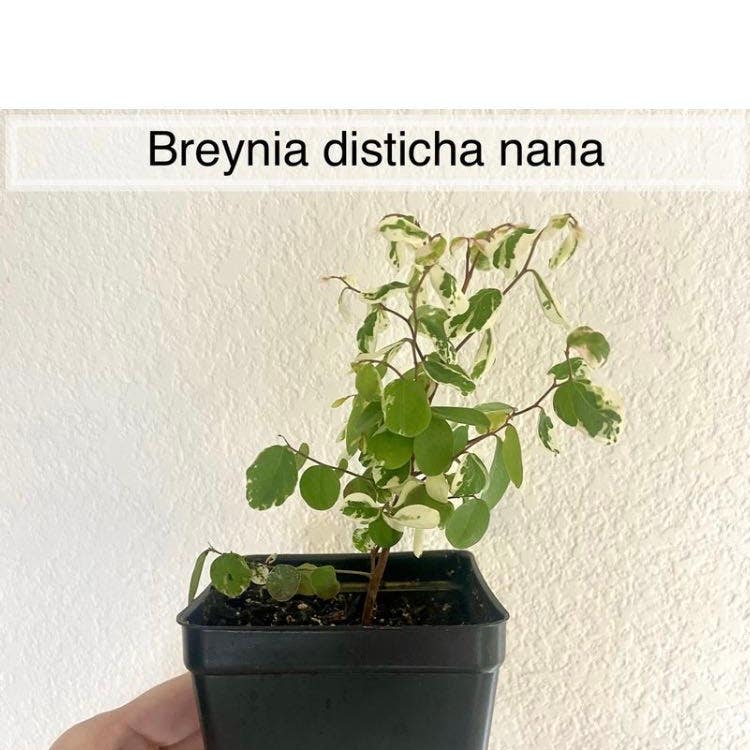
❄️ Direct Sunlight and Your Snow Bush
Breynia disticha 'Rosea Picta'
By the Greg Editorial Team
Oct 22, 2024•5 min read
This article was created with the help of AI so we can cover more plants for you. May contain errors. See one? Report it here.
- 🌞 Snow Bush thrives in bright, filtered light, avoiding harsh direct sunlight for health.
- 🌅 Morning sun is beneficial, while excessive light causes leaf burn and stress.
- 🪴 Window direction matters; north-facing offers ideal indirect light for your Snow Bush.
Sunlight Tolerance of Snow Bush
🌞 Does Snow Bush Need Direct Sunlight?
Snow Bush thrives in bright, filtered light. It prefers indirect sunlight, making it an excellent choice for indoor spaces where direct rays can be harsh.
☀️ Can Snow Bush Tolerate Direct Sunlight?
While Snow Bush has limited tolerance for direct sunlight, it can handle some exposure. Morning sun is ideal, as it’s gentler than the intense afternoon rays.
🔥 Effects of Too Much Direct Sunlight on Snow Bush
Excessive direct sunlight can lead to leaf burn, characterized by browning edges and wilting leaves. Additionally, prolonged exposure can cause a loss of variegation, diminishing the plant's unique leaf patterns.
Understanding the sunlight needs of your Snow Bush is crucial for its health. By providing the right conditions, you can ensure it remains vibrant and thriving.
Window Direction and Sunlight
🌞 Importance of Window Direction
The direction your window faces plays a crucial role in the light your Snow Bush receives. North-facing windows typically provide gentle, indirect light, making them ideal for this plant.
In contrast, south-facing windows often bathe your Snow Bush in direct sunlight. While this can be beneficial, it may also lead to stress if the exposure is too intense.
🪴 Recommendations for Placing Snow Bush Near Windows
For optimal growth, place your Snow Bush near east or north-facing windows. These locations offer the right balance of light without overwhelming the plant.
If you must use a south or west-facing window, consider using sheer curtains. This will help diffuse harsh sunlight, protecting your Snow Bush from potential damage while still allowing it to thrive.
By understanding window direction, you can create the perfect environment for your Snow Bush, ensuring it remains healthy and vibrant. Next, let’s explore how geographic considerations can further influence sunlight exposure for your plant.
Geographic Considerations
🌍 Role of Hemisphere in Sunlight Exposure
Understanding your hemisphere is crucial for optimal Snow Bush care.
In the Northern Hemisphere, summer days are longer, providing ample sunlight, while winter days are shorter, leading to less light exposure.
Conversely, the Southern Hemisphere experiences the opposite seasonal effects, so it's essential to consider your local climate when planning your Snow Bush's placement.
☀️ Seasonal Variations in Sunlight Intensity
Sunlight intensity varies significantly with the seasons.
During summer, the increased intensity can stress your Snow Bush, so keep an eye out for any signs of distress.
In winter, reduced light may necessitate repositioning your plant to ensure it receives adequate exposure.
By being mindful of these seasonal changes, you can help your Snow Bush thrive year-round.
This awareness sets the stage for understanding how to care for your plant effectively, especially as we move into common misconceptions about sunlight needs.
Common Misconceptions
🌞 Myths About Snow Bush and Sunlight
One common myth is that the Snow Bush thrives in full, unfiltered sunlight. In reality, this plant prefers bright, filtered light to avoid stress and maintain its vibrant health.
📋 Clarifying Care Tips for Plant Parents
When introducing your Snow Bush to direct sunlight, it's crucial to do so gradually. This slow acclimatization helps prevent shock and ensures your plant adapts comfortably.
Understanding the unique characteristics of your Snow Bush's leaves is also essential. Variegated leaves, in particular, require special attention as they can be more sensitive to light changes.
By debunking these myths and following these care tips, you can create an ideal environment for your Snow Bush to flourish. Next, let’s explore practical tips for monitoring sunlight exposure effectively.
Practical Tips for Plant Parents
🌞 Signs of Too Much or Too Little Sunlight
Recognizing the signs of sunlight stress is crucial for your Snow Bush. If you notice leaf burn, fading colors, or wilting, your plant may be getting too much direct sunlight.
On the flip side, if your Snow Bush shows stunted growth, a leggy appearance, or a loss of variegation, it’s likely not getting enough light. Keeping an eye on these indicators will help you maintain a healthy plant.
🔄 Adjusting Light Conditions for Snow Bush
If your Snow Bush is showing signs of stress, consider moving it to a different window. This simple adjustment can make a significant difference in its health.
Additionally, using reflective surfaces can help increase indirect light exposure. Mirrors or light-colored walls can bounce light onto your plant, providing the brightness it craves without the harshness of direct sunlight.
📏 Best Practices for Monitoring Sunlight Exposure
Regular checks on your plant's health are essential. Aim to observe your Snow Bush weekly to catch any changes early.
For more precise monitoring, consider using a light meter. This tool can help you measure light intensity and ensure your plant is getting the right amount of sunlight. With these practices, you can keep your Snow Bush thriving and vibrant.
As you refine your care routine, remember that understanding your plant's needs is key to its success. Next, let’s explore common misconceptions about Snow Bush and sunlight.
⚠️ Safety First
This content is for general information and may contain errors, omissions, or outdated details. It is not medical, veterinary advice, or an endorsement of therapeutic claims.
Always consult a qualified healthcare professional before using any plant as food, medicine, or supplement.
Never eat any plant (or feed one to pets) without confirming its identity with at least two trusted sources.
If you suspect poisoning, call Poison Control (800) 222-1222, the Pet Poison Helpline (800) 213-6680, or your local emergency service immediately.
Spotted an error? Please report it here.
Ensure your Snow Bush gets the perfect light 🌿 by using Greg's tailored reminders and tips to keep it thriving in bright, filtered conditions!