❄️ Ultimate Guide to Fixing Droopy Leaves on Snow Bush
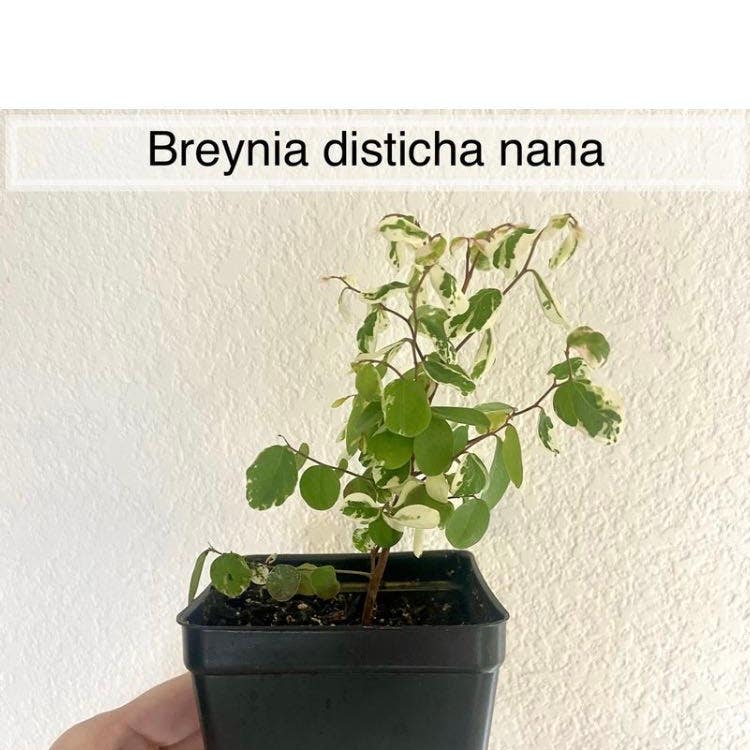
Breynia disticha 'Rosea Picta'
By the Greg Editorial Team
Oct 22, 2024•5 min read
This article was created with the help of AI so we can cover more plants for you. May contain errors. See one? Report it here.
- 💧 Recognize overwatering and underwatering signs to maintain healthy Snow Bush leaves.
- 🌞 Provide 4-6 hours of bright, indirect sunlight to prevent leggy growth and pale leaves.
- 🐛 Inspect regularly for pests like aphids and spider mites to avoid significant damage.
Diagnosing the Problem
🌊 Signs of Overwatering vs. Underwatering
Understanding the signs of overwatering and underwatering is crucial for your Snow Bush's health.
Overwatering indicators include yellowing leaves and mushy stems. If you notice a foul smell or blackened roots, your plant may be suffering from root rot.
Underwatering indicators are just as telling. Look for crispy, brown leaf edges and soil that pulls away from the pot edges, signaling your plant needs more moisture.
🐞 Identifying Pest Infestations
Pests can wreak havoc on your Snow Bush if not addressed promptly.
Common pests include aphids, which leave a sticky residue and cause leaves to curl. Spider mites are another concern, often identified by fine webbing and stippled leaves.
To check for pests, perform a visual inspection of the undersides of leaves. Using sticky traps can also help monitor pest activity effectively.
💡 Assessing Light and Humidity Levels
Light and humidity play vital roles in your Snow Bush's well-being.
Ideal light conditions involve bright, indirect sunlight for 4-6 hours daily. If you see leggy growth or pale leaves, your plant may not be getting enough light.
Regarding humidity, aim for optimal levels between 50-70%. Signs of low humidity include leaf curling and droop, indicating your plant needs a more humid environment.
By diagnosing these issues early, you can take the necessary steps to revive your Snow Bush. Next, we’ll explore effective solutions for droopy leaves.
Solutions for Droopy Leaves
🌊 Adjusting Watering Practices
To revive your Snow Bush, start by adjusting your watering habits. Water the plant when the top inch of soil feels dry, ensuring you don’t drown it.
Using moisture meters can provide accurate readings, helping you avoid the pitfalls of overwatering or underwatering.
🌱 Improving Soil Drainage
Well-draining soil is crucial for a healthy Snow Bush. A recommended mix includes peat, perlite, and compost to promote optimal drainage.
Watch for signs of poor drainage, like water pooling on the surface, which can lead to root rot.
💧 Increasing Humidity Around the Plant
Boosting humidity can significantly help your droopy leaves. Consider using humidifiers or pebble trays to create a more favorable environment.
Grouping your plants together can also foster a microclimate, enhancing humidity levels naturally.
🐛 Pest Control Methods
If pests are the culprit, organic options can be effective. Neem oil and insecticidal soap work wonders against aphids, while increasing humidity can deter spider mites.
Regular monitoring is key. Early intervention can prevent minor infestations from becoming major problems.
By implementing these solutions, you can restore your Snow Bush's vitality and keep it thriving. Next, let’s explore preventative measures to ensure your plant stays healthy in the long run.
Preventative Measures
🌱 Best Practices for Snow Bush Care
To keep your Snow Bush thriving, establish a regular watering schedule that adapts to seasonal changes. This ensures your plant receives the right amount of moisture throughout the year.
Proper fertilization is equally important. Use a balanced NPK fertilizer every 4-6 weeks during the growing season to provide essential nutrients.
☔️ Seasonal Care Tips to Prevent Droop
During dry seasons, adjust your care routine by increasing both watering and humidity checks. This proactive approach helps prevent droopy leaves and keeps your plant healthy.
In winter, reduce watering frequency and closely monitor light exposure. Snow Bushes can struggle with insufficient light, so ensure they receive adequate brightness even in the colder months.
By following these best practices and seasonal tips, you can significantly reduce the risk of droopy leaves and promote a vibrant, flourishing Snow Bush.
Next, let’s explore effective recovery techniques for when your plant does show signs of distress.
Recovery Techniques
Step-by-Step Recovery Process for Droopy Leaves 🌱
Assess the Cause of Droop
Start by identifying whether the droop is due to overwatering, underwatering, or pests. This initial assessment is crucial for effective recovery.Adjust Watering Practices
Once you pinpoint the issue, modify your watering habits. If overwatering is the culprit, allow the soil to dry out; if underwatering, give it a good soak.Improve Soil Drainage
Check if your soil drains well. If you notice water pooling on the surface, consider repotting with a mix of peat, perlite, and compost for better drainage.Increase Humidity Levels
Snow Bush thrives in humidity. Use a humidifier or place a pebble tray filled with water near the plant to create a more favorable environment.Implement Pest Control Measures
If pests are present, take action immediately. Use organic options like neem oil or insecticidal soap to tackle infestations effectively.
Monitoring and Adjusting Care Post-Recovery 🔍
Regular Check-Ins on Leaf Health
Keep an eye on your plant's leaves. Look for signs of improvement or any new issues that may arise.Adjusting Care Based on Recovery Progress
Be flexible with your care routine. If your Snow Bush shows signs of recovery, you might need to adjust watering or humidity levels accordingly.Keeping a Care Journal for Tracking Changes
Document your plant's journey. A care journal helps you track what works and what doesn’t, making future care easier and more effective.
By following these steps, you can help your Snow Bush bounce back from droopy leaves. With attentive care and observation, your plant will thrive once again. Next, let’s explore some preventative measures to keep your Snow Bush healthy long-term.
⚠️ Safety First
This content is for general information and may contain errors, omissions, or outdated details. It is not medical, veterinary advice, or an endorsement of therapeutic claims.
Always consult a qualified healthcare professional before using any plant as food, medicine, or supplement.
Never eat any plant (or feed one to pets) without confirming its identity with at least two trusted sources.
If you suspect poisoning, call Poison Control (800) 222-1222, the Pet Poison Helpline (800) 213-6680, or your local emergency service immediately.
Spotted an error? Please report it here.
Revive your Snow Bush and keep those leaves perky 🌿 by using Greg's tailored care reminders to master watering, humidity, and pest control for a thriving plant!