Identifying What is Eating Your Red Crown Cactus 🌵
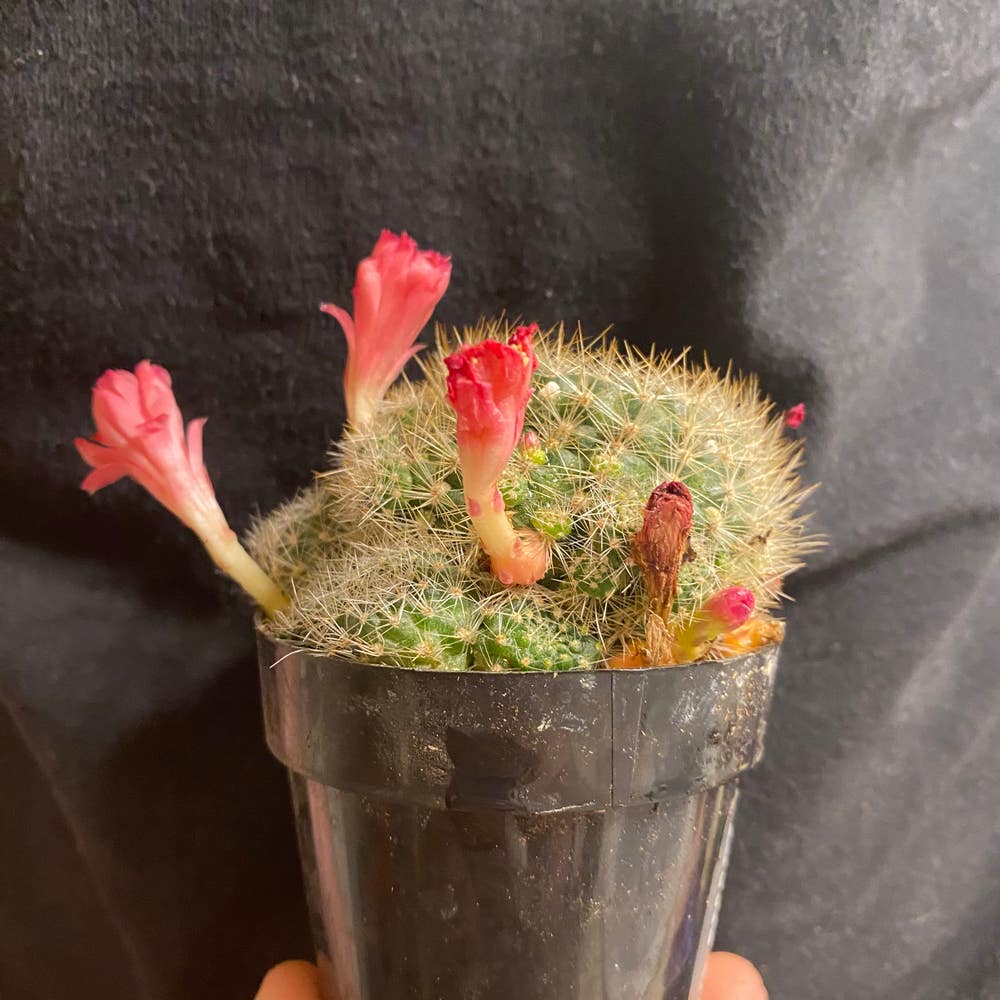
Rebutia minuscula
By the Greg Editorial Team
Sep 30, 2024•5 min read
This article was created with the help of AI so we can cover more plants for you. May contain errors. See one? Report it here.
Safeguard your red crown cactus from herbivores 🌵 while nurturing a vibrant ecosystem that benefits all plants and wildlife!
- 🦌🌱 Red Crown Cacti face threats from deer, rabbits, squirrels, and more.
- 🚫🐇 Effective deterrents include repellents, fences, and strategic planting.
- 🌼🐝 Biodiversity is vital; beneficial insects aid in pollination and ecosystem health.
Common Herbivores Affecting Red Crown Cactus
🦌 Deer
Signs of presence and damage
Look for hoof prints near your cactus; these are clear indicators of deer activity. Additionally, if you notice leaves and young shoots stripped away, it’s a sign that deer are browsing.
Interaction type
Deer can be generally harmful to cactus populations, often leading to significant damage and even decimation.
Deterrent methods
To keep deer at bay, consider using commercial deer repellents. Alternatively, you can erect 8-foot tall fences or plant deer-resistant plants nearby for a more organic approach.
🐇 Rabbits
Signs of presence and damage
If you spot small, round droppings near the base of your cactus, rabbits are likely nearby. Clean cuts on young shoots and fruits are another telltale sign of their gnawing.
Interaction type
Rabbits are generally harmful, especially to young plants, which they can severely damage.
Deterrent methods
Bitter-tasting sprays can deter rabbits effectively. You might also plant rabbit-repelling herbs like lavender to keep them away naturally.
🐿️ Squirrels
Signs of presence and damage
Chewed fruits and flowers are clear evidence of squirrel feeding. Additionally, look for signs of nests in nearby trees, which indicate their presence.
Interaction type
Squirrels can be generally harmful, causing significant damage to your cactus.
Deterrent methods
Consider using squirrel repellents for a chemical solution. For a more organic method, motion-activated sprinklers or noise deterrents can help keep them away.
🐦 Birds
Signs of presence and damage
Peck marks on fruits and flowers indicate bird activity. If you see birds nesting nearby, they may be contributing to both pollination and damage.
Interaction type
Birds have a mixed interaction with cacti; while some pollinate, others may damage fruits.
Deterrent methods
Bird-safe repellents can be effective in deterring unwanted birds. Alternatively, using netting to protect fruits or hanging reflective objects can help keep them at bay.
🐭 Rodents
Signs of presence and damage
Look for tunnels or burrows near your cactus; these are signs of rodent activity. Chewed stems indicate that they are feeding on young shoots.
Interaction type
Rodents are generally harmful and can significantly weaken your cactus.
Deterrent methods
Rodent bait stations offer a chemical solution. For an organic approach, traps and planting deterrent plants like mint can be effective.
🦡 Groundhogs
Signs of presence and damage
Large burrows near the base of your cactus are a clear sign of groundhogs. They can cause significant damage by browsing on the lower parts of the plant.
Interaction type
Groundhogs are generally harmful and can severely damage or even kill your cactus.
Deterrent methods
Commercial repellents can help deter groundhogs, but for a more organic solution, consider fencing buried at least 12 inches deep or modifying the habitat around your cactus.
Understanding these common herbivores and their impacts can help you protect your red crown cactus effectively. Next, let’s explore the beneficial animals that play a crucial role in the ecosystem surrounding your cactus.
Beneficial Animals
🐝 Description and Impact
When it comes to your red crown cactus, not all animals are foes. Pollinators like bees and butterflies are drawn to the vibrant flowers, playing a crucial role in the plant's reproduction.
Seed dispersers, such as birds and small mammals, help spread cactus seeds across the landscape. This natural process supports the growth of new plants, enhancing the overall health of your garden.
🌱 Positive Impacts
The presence of these beneficial animals significantly boosts biodiversity. They create a thriving ecosystem where various species coexist, contributing to a balanced environment.
Moreover, healthy pollination and seed dispersal ensure that your cactus can flourish. By fostering these relationships, you not only protect your plants but also enrich the local ecosystem.
Understanding the role of these animals can inspire you to cultivate a garden that welcomes both plants and wildlife. This harmony is essential for a vibrant and sustainable environment.
As we explore general protection strategies, consider how to maintain this balance while safeguarding your cacti from herbivores.
General Protection Strategies
🛡️ Preventive Measures
To safeguard your red crown cactus, strategic planting is essential. Position your cacti away from known herbivore pathways to minimize encounters.
Using barriers is another effective tactic. Fencing and netting can protect vulnerable parts of the cactus from hungry visitors.
⚠️ Reactive Solutions
Monitoring your cactus regularly is crucial. Conduct inspections for signs of herbivore activity to catch any issues early.
When you spot signs of damage, a quick response is vital. Implement deterrents immediately to protect your plants from further harm.
🌦️ Seasonal Variations
Be aware of seasonal changes that affect herbivore activity. In spring, expect increased activity from rabbits and deer as they emerge from winter.
During summer, birds and squirrels become more active, especially with fruit availability.
In fall, groundhogs prepare for winter, which may lead to more significant damage to your cacti.
By understanding these patterns, you can better protect your red crown cactus throughout the year.
Ecological Role
Providing Food and Habitat 🌵
Red Crown Cacti play a vital role in their ecosystems by offering food and shelter to various species. From insects to larger mammals, these cacti support a diverse range of wildlife.
Supporting Local Ecosystems 🌍
Interactions with herbivores are crucial for maintaining ecological balance. While some animals may damage the cactus, they also contribute to pollination and seed dispersal, fostering a thriving environment.
Importance of Biodiversity 🌈
Maintaining biodiversity is essential for the health of ecosystems. Protecting individual plants like the Red Crown Cactus ensures that the entire community of organisms can flourish.
Recognizing Herbivores' Role 🐾
Herbivores are not just pests; they are integral to the natural cycle. Understanding their role helps us appreciate the delicate balance of nature and the importance of every species, even those that nibble on our beloved cacti.
By fostering a healthy ecosystem, we can enjoy the beauty of Red Crown Cacti while supporting the myriad of life that depends on them. This balance is key to ensuring that both plants and animals thrive together.
⚠️ Safety First
This content is for general information and may contain errors, omissions, or outdated details. It is not medical, veterinary advice, or an endorsement of therapeutic claims.
Always consult a qualified healthcare professional before using any plant as food, medicine, or supplement.
Never eat any plant (or feed one to pets) without confirming its identity with at least two trusted sources.
If you suspect poisoning, call Poison Control (800) 222-1222, the Pet Poison Helpline (800) 213-6680, or your local emergency service immediately.
Spotted an error? Please report it here.
Safeguard your Red Crown Cactus from herbivores with Greg's personalized monitoring and deterrent tips, ensuring your plant thrives in a balanced ecosystem! 🌵 Thrive!