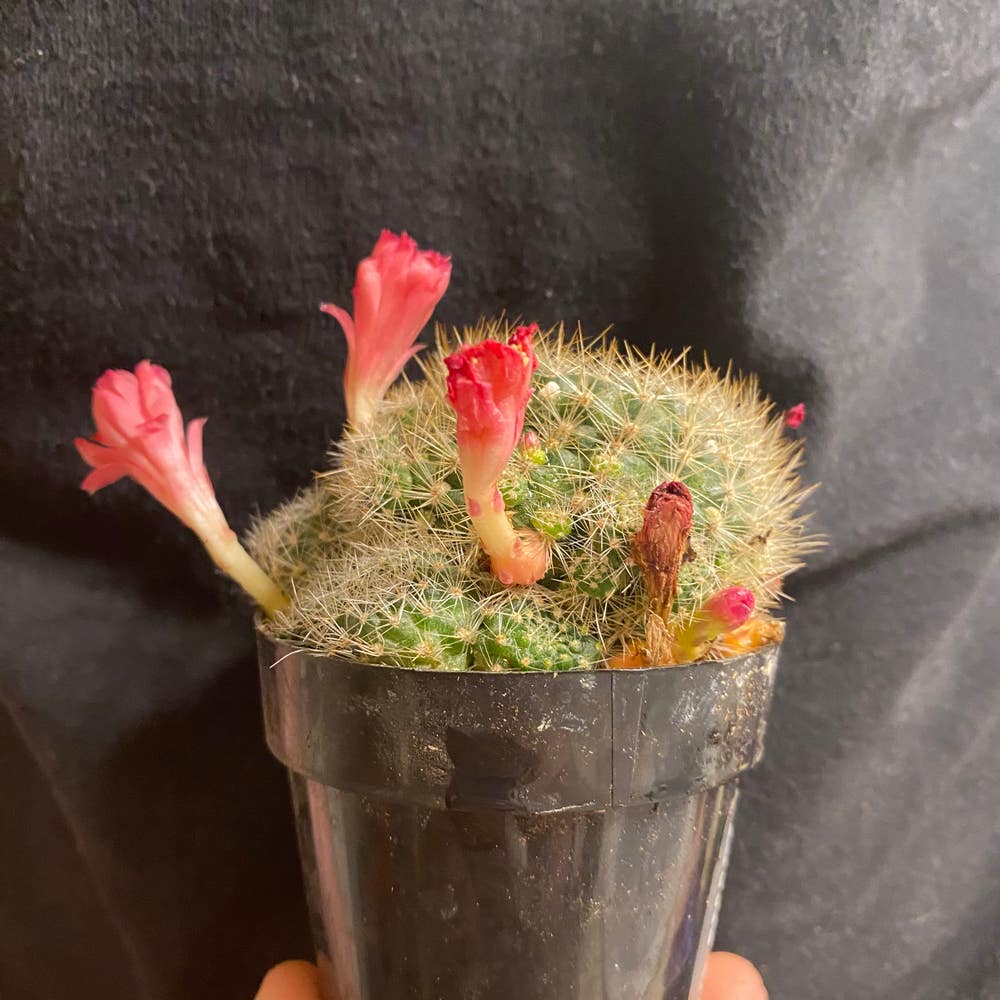
🌵 Why Are My Rebutia minuscula Leaves Dropping?
Rebutia minuscula
By the Greg Editorial Team
Mar 06, 2024•6 min read
This article was created with the help of AI so we can cover more plants for you. May contain errors. See one? Report it here.
Solve the leaf-drop puzzle 🌵 of your Rebutia minuscula for a lush, happy cactus!
- Overwatering and underwatering can both lead to leaf drop; balance is key.
- 🌡️🌞 Stable environment with consistent temperatures and indirect light is crucial.
- 🐛 Inspect for pests regularly and treat with insecticidal soap if needed.
Spotting the Trouble Signs
🚩 Recognizing Early Symptoms of Leaf Dropping
Yellowing leaves on your Rebutia minuscula are like red flags in a sea of green; they're not aging gracefully but signaling distress. If leaves are falling outside of their typical shedding season, it's time to pay attention. A leaf looking like it's been through a shredder? That's normal. But a sudden leaf exodus? That's your cactus crying out for help.
🔄 Understanding Natural vs. Problematic Leaf Loss
Natural leaf shedding is your cactus's version of a wardrobe refresh—it's expected. However, problematic leaf loss is more like an unexpected plot twist in your plant's life story. Look for patterns that deviate from the norm, such as leaves wilting or dropping faster than usual. This isn't a quirky plant behavior; it's a distress signal that requires immediate action.
🔍 Visual Clues and Symptoms
Consistency is your friend when it comes to leaf loss. Seasonal shedding is as predictable as the sunrise, while erratic leaf drop is a sign that something's amiss. Don't just glance at your cactus; inspect it closely. Check for spots, discoloration, or anything that screams "I'm not supposed to look like this!"
🕵️♂️ The Importance of Vigilance
Regular check-ups are crucial. Spotting early signs of trouble, like a droopy leaf or a subtle color change, can be the difference between a quick fix and a full-blown plant crisis. Remember, vigilance is your watchword. Keep the area around your cactus clean to prevent pest penthouses and maintain a healthy environment.
The Usual Suspects: Identifying Causes of Leaf Dropping
💧 Too Much Love: Overwatering Woes
Signs of Overwatering in Rebutia minuscula
Yellowing leaves and a soft base are the cactus's way of saying, "I'm full, thanks." If the soil feels like a swamp and you notice a musty smell, it's a red flag. Overwatering invites fungal guests, and not the fun kind.
How to Rescue an Overwatered Cactus
First, stop watering and let the soil dry out. Consider repotting with fresh, dry soil if the situation is dire. Ensure the pot has proper drainage to prevent future waterlogging.
🏜️ Thirsty Spikes: The Perils of Underwatering
Spotting the Drought Stress Signals
Leaves that are more wrinkled than a linen shirt in a suitcase? That's underwatering. The soil should be dry, but not a desert. If your Rebutia minuscula's leaves are crispy, it's time for a drink.
Quenching the Thirst Correctly
Water deeply but infrequently to mimic natural desert rains. Ensure the water reaches the roots without leaving the soil soggy. It's about finding the sweet spot between a drought and a flood.
🌞 Climate Shock: Temperature and Light Factors
Identifying Temperature and Light-Related Stress
If your Rebutia minuscula is dropping leaves like hot potatoes, check the thermostat. Too much heat or a sudden chill can trigger a leaf exodus. Discoloration may signal a sunburn or a cactus in need of more light.
Adjusting the Environment for Happy Cacti
Keep your cactus in a stable environment with consistent temperatures and plenty of bright, indirect light. Think of it as creating a personal desert retreat for your spiky friend.
🐜 Uninvited Guests: Pest Infestations
Detecting and Dealing with Common Cactus Pests
Speckled leaves and sticky residue are the calling cards of pests. If you spot these, it's time to play exterminator. Isolate the affected plant to prevent a bug block party.
Keeping the Bugs at Bay
Regularly inspect your cactus for freeloaders. A gentle insecticidal soap can clear out the riff-raff. Prevention is key, so keep your cactus clean and your eyes peeled.
Turning Over a New Leaf: Remedial Actions
💧 Fine-Tuning Watering Techniques
Watering your Rebutia minuscula is a balancing act. Too much, and you're swimming in root rot territory; too little, and you're in drought city. Check the soil before watering—if the top inch feels like the Sahara, it's time to hydrate. But hold your horses, don't drown it. Aim for moist, not soggy.
The Right Way to Water a Rebutia minuscula
Water at the base to avoid wetting the foliage, which can invite fungal gatecrashers. Early morning is prime time, giving the soil a chance to absorb moisture before the heat of the day. In winter, cut back on the H2O—your cactus is napping, not running a marathon.
🌵 Creating a Cactus-Friendly Zone
Set up shop where the light is bright but not direct enough to cause a cactus sunburn. Think of it as a shaded desert nook. Temperature-wise, keep it cozy but not hot. Your cactus isn't vacationing in the tropics; it prefers a temperate range.
Making a Mini Desert Oasis at Home
Mimic the cactus's natural habitat. A south-facing window with a sheer curtain can be the sweet spot for that indirect sunlight. During winter, a cool room is ideal, as long as it doesn't turn into a fridge. Remember, your cactus is hardy but not invincible.
🐜 Declaring War on Pests
Pests are the party crashers of the plant world. Red spiders and mealybugs can be shown the door with a good shower from above. For a more persistent infestation, bring out the big guns—organic insecticidal soap or neem oil.
Preventive Measures to Keep Pests Away
Quarantine new plants like they're fresh from a bug convention. Regularly inspect your cactus for freeloaders, and keep it strong with proper care—weak plants send out the bat signal to pests. And don't forget, a clean plant is a happy plant. Dust those spines like you're polishing crown jewels.
Proactive Care: Keeping Your Cactus Happy
🌵 Consistency is Key: Routine Care
Crafting a care schedule is crucial to prevent future leaf drop in Rebutia minuscula. Like clockwork, this routine should include regular watering when the soil is dry, not by the calendar.
- Monitor your cactus for signs of distress, adjusting care as needed.
- Water based on soil dryness, not on a fixed schedule.
- Inspect for pests and diseases regularly to catch issues early.
🏺 The Foundation Matters: Soil and Pot Essentials
Selecting the right soil mix and pot ensures proper drainage and cactus health. A blend of sand, perlite, and organic matter keeps roots dry, while terracotta pots promote evaporation.
- Repot every few years to refresh the soil and allow growth.
- Choose drainage-friendly pots to prevent waterlogged roots.
- Handle with care during repotting to minimize stress.
⚠️ Safety First
This content is for general information and may contain errors, omissions, or outdated details. It is not medical, veterinary advice, or an endorsement of therapeutic claims.
Always consult a qualified healthcare professional before using any plant as food, medicine, or supplement.
Never eat any plant (or feed one to pets) without confirming its identity with at least two trusted sources.
If you suspect poisoning, call Poison Control (800) 222-1222, the Pet Poison Helpline (800) 213-6680, or your local emergency service immediately.
Spotted an error? Please report it here.
Ensure your Rebutia minuscula stays leaf-drop free 🌵 by leveraging Greg's tailored watering reminders and pest detection for a perfectly balanced cactus habitat.