Symbolism and Benefits of the Rebutia minuscula
Rebutia minuscula
By the Greg Editorial Team
Mar 06, 2024•3 min read
This article was created with the help of AI so we can cover more plants for you. May contain errors. See one? Report it here.
Embrace the Rebutia minuscula's 🌵 lessons in resilience and its zen-like calm for a mindful, eco-friendly life.
- 🌵 Compact and striking, ideal for small spaces and big conversations.
- Symbolizes resilience, teaching endurance and adaptation lessons.
- Promotes mental wellness, through therapeutic gardening and mindfulness.
A Tiny Powerhouse of Symbolism and Aesthetics
🌺 Compact Beauty for Small Spaces
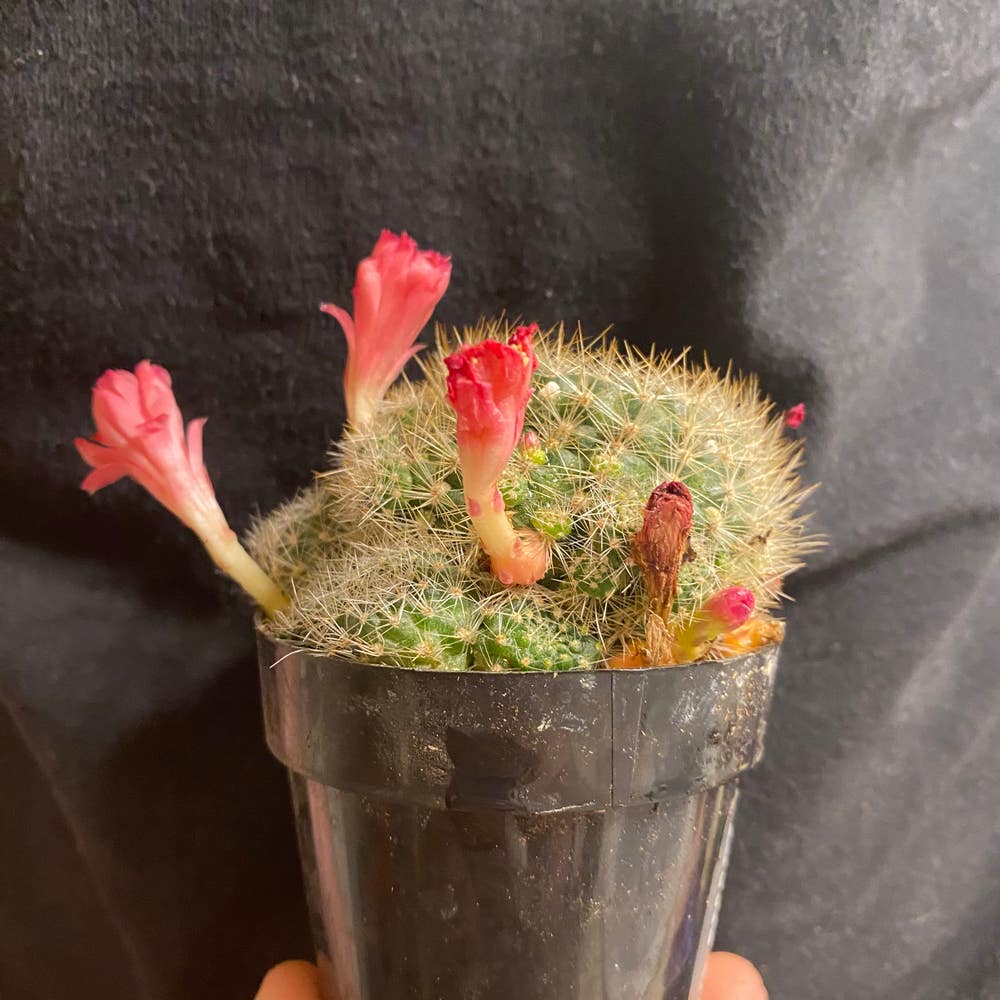
Rebutia minuscula packs a visual punch in a pint-sized package. Its small stature, with mounds rarely exceeding 3 cm in diameter, makes it a perfect fit for cramped apartments or cluttered windowsills. The plant's vibrant red and pink blooms burst forth in late spring, injecting a splash of color into small living spaces.
🌵 A Symbol of Resilience and Hope
This cactus is more than just eye candy; it's a living lesson in endurance. Its ability to withstand drought and poor soil conditions mirrors life's adversities. Rebutia minuscula's hardiness is a reminder that beauty and strength often emerge from the harshest environments.
🌍 Cultural Threads
In the tapestry of human culture, Rebutia minuscula is a thread that symbolizes adaptation. Its resilience in diverse climates mirrors our own capacity to thrive in varying circumstances. This cactus, while small, carries a weighty message of perseverance that resonates across cultural boundaries.
The Zen of Rebutia minuscula
🌵 Stress Relief Through Nature's Lens
In the presence of Rebutia minuscula, stress seems to dissipate. This cactus, with its vibrant blooms and compact form, offers a visual retreat from the daily grind. Its care, a simple ritual, can be a meditative practice. The act of watering and nurturing this plant encourages a present state of mind, fostering relaxation and emotional grounding.
🌵 Therapeutic Gardening with a Cactus Twist
Caring for Rebutia minuscula is more than a hobby; it's a pathway to mental wellness. The deliberate, attentive process of tending to this spiky companion can be therapeutic, promoting mindfulness and patience. This cactus doesn't just live in your space; it enhances it, contributing to a sense of well-being and personal growth among its thorns.
Social and Educational Perks Wrapped in Green
💬 Spark Conversations with a Spiny Companion
Rebutia minuscula isn't just a plant; it's a social magnet. Its unusual appearance—a spherical, spiky oddity—draws attention and curiosity. This cactus can break the ice, sparking conversations about nature's quirks or personal gardening victories.
📚 Learning from a Desert Dweller
Beyond its conversation-starting prowess, Rebutia minuscula is a living lesson in adaptation. Observing its thick skin and sparse spines, one can learn about survival strategies in arid environments. It's an educational tool that can lead to deeper discussions on evolution, sustainability, and conservation.
Cultivating More Than Just a Plant
🌵 Growing Environmental Consciousness
Embracing sustainability is effortless with Rebutia minuscula. This cactus thrives in conditions that mimic its native high-altitude habitat—bright light and a cool, dry winter rest. Its minimal needs translate to less water usage and a reduced environmental footprint. Cultivators can take pride in a low-maintenance plant that's resilient to frost and drought, reinforcing the importance of resource conservation.
🌱 Personal Growth Amongst the Thorns
Rebutia minuscula isn't just about vibrant blooms; it's a masterclass in mindfulness. The act of caring for this cactus can foster reflection and patience. As you tend to its needs, you're reminded of the plant's—and your own—ability to endure and flourish despite adversity. It's a daily nudge to slow down, breathe, and engage with the world in a more deliberate and thoughtful manner.
⚠️ Safety First
This content is for general information and may contain errors, omissions, or outdated details. It is not medical, veterinary advice, or an endorsement of therapeutic claims.
Always consult a qualified healthcare professional before using any plant as food, medicine, or supplement.
Never eat any plant (or feed one to pets) without confirming its identity with at least two trusted sources.
If you suspect poisoning, call Poison Control (800) 222-1222, the Pet Poison Helpline (800) 213-6680, or your local emergency service immediately.
Spotted an error? Please report it here.
Cultivate your own symbol of endurance 🌵 with Greg's personalized care reminders, ensuring your Rebutia minuscula thrives with minimal effort.