🌵 What Should I Do When Rebutia minuscula Leaves Turn Yellow?
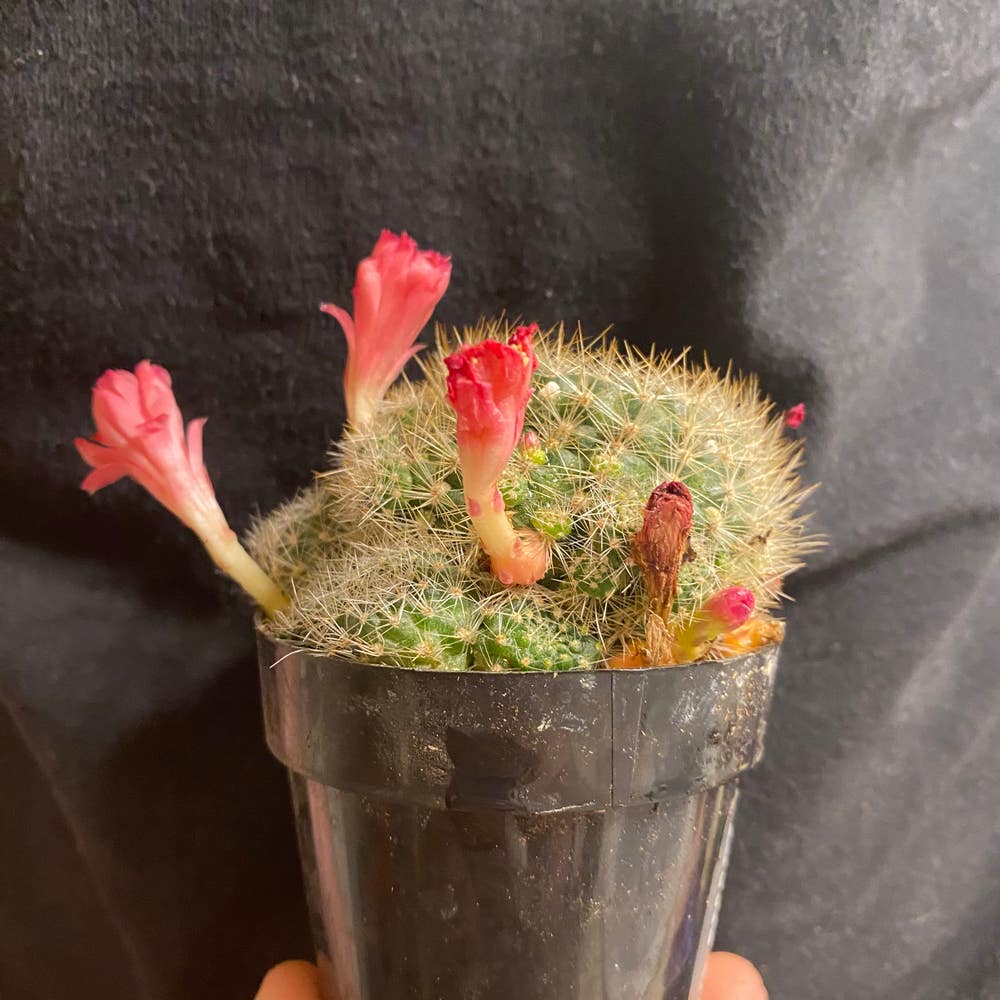
Rebutia minuscula
By the Greg Editorial Team
Mar 08, 2024•3 min read
This article was created with the help of AI so we can cover more plants for you. May contain errors. See one? Report it here.
Turn your Rebutia minuscula's frown 🌵 upside down by tackling yellow leaves with expert care tips!
- Over/underwatering and poor drainage can cause yellow leaves; adjust care accordingly.
- 🌞 Too much direct sunlight may lead to yellow patches; balance sun exposure.
- 🐛 Combat pests with regular control measures to prevent leaf yellowing.
Spotting the Yellow Flags: Identifying Causes
💧 Overwatering Woes
Yellowing leaves and a soft base are telltale signs that your Rebutia minuscula might be getting more water than it can handle. Overwatering can turn your cactus's soil into a swampy mess, making it a breeding ground for root rot and fungal diseases.
🏜️ Thirst Signals
Conversely, leaves that are more wrinkled than your favorite leather jacket could indicate underwatering. A Rebutia minuscula with insufficient water can exhibit discoloration, as it desperately tries to hold on to what little moisture it has.
🚰 Drainage Drama
Proper drainage is non-negotiable for cacti. If your Rebutia minuscula is sitting in wet soil for too long, it's a one-way ticket to yellow-leaf city. Ensure your potting mix is fast-draining and your pot has holes that could rival a colander.
🌞 Sunburn Scenarios
Too much direct sunlight can leave your Rebutia minuscula looking like it's been on a tropical vacation without any sunscreen. Watch for yellow patches or a bleached appearance—a sign that your cactus is getting more UV rays than it bargained for.
🐜 Pest Problems
Pests are the uninvited guests that can cause yellowing leaves. Look out for signs of insect infestations, such as unusual spots or holes in the leaves, which can stress your plant and lead to discoloration.
First Aid for Yellow Leaves
💧 Adjusting Water Habits
Yellow leaves on your Rebutia minuscula might be screaming for a watering adjustment. Check the soil moisture before you water; if it's dry a couple of inches down, it's time to quench its thirst. Remember, overwatering is just as harmful as neglect—once a week could be your goldilocks zone, but stay flexible with the changing seasons.
🚰 Enhancing Drainage
If your cactus is sitting in soggy soil, you're basically asking for trouble. Mix in perlite or sand to boost drainage, and make sure your pot's drainage holes aren't on strike. Compacted soil is a no-no; your cactus's roots need to breathe, not swim.
🌞 Sunlight Strategy
Too much sun can turn your Rebutia minuscula into a yellow mess. Find that sweet spot for sun exposure; bright, indirect light is usually the jackpot. If your cactus is looking sunburnt, dial down the rays.
🐜 Pest Patrol
Pests are like that annoying relative who won't leave—persistent and damaging. Keep an eye out for the usual suspects and show them the door with insecticidal soap or neem oil. Regular pest control is non-negotiable if you want to keep your cactus's leaves green and serene.
Keeping the Green: Preventive Care
💧 Watering Wisdom
Creating a consistent watering schedule is crucial for Rebutia minuscula. Overwatering and underwatering can both lead to yellow leaves, so finding that Goldilocks zone for your cactus is key. Check the soil moisture before watering—only when the top inch is dry—and adjust with the seasons. Your plant's thirst varies throughout the year, just like yours.
🌱 Soil and Sun Synergy
Selecting the right soil mix and sun placement will set your Rebutia minuscula up for success. A well-draining, gritty soil mix prevents waterlogging, while the perfect spot with bright, indirect light keeps those leaves green without the risk of sunburn. Think of it as the ultimate spa setting for your cactus.
👀 Regular Reconnaissance
Finally, vigilance against pests is non-negotiable. Regularly inspect your plant like it's a precious artifact in a museum. Spotting pests early means you can evict them before they cause damage. Keep your tools clean and your eyes sharper; a healthy plant is a pest-free plant.
⚠️ Safety First
This content is for general information and may contain errors, omissions, or outdated details. It is not medical, veterinary advice, or an endorsement of therapeutic claims.
Always consult a qualified healthcare professional before using any plant as food, medicine, or supplement.
Never eat any plant (or feed one to pets) without confirming its identity with at least two trusted sources.
If you suspect poisoning, call Poison Control (800) 222-1222, the Pet Poison Helpline (800) 213-6680, or your local emergency service immediately.
Spotted an error? Please report it here.
Banish yellow leaves and keep your Rebutia minuscula thriving 🌟 with Greg's custom care reminders that prevent overwatering and ensure the perfect sun-soil balance.