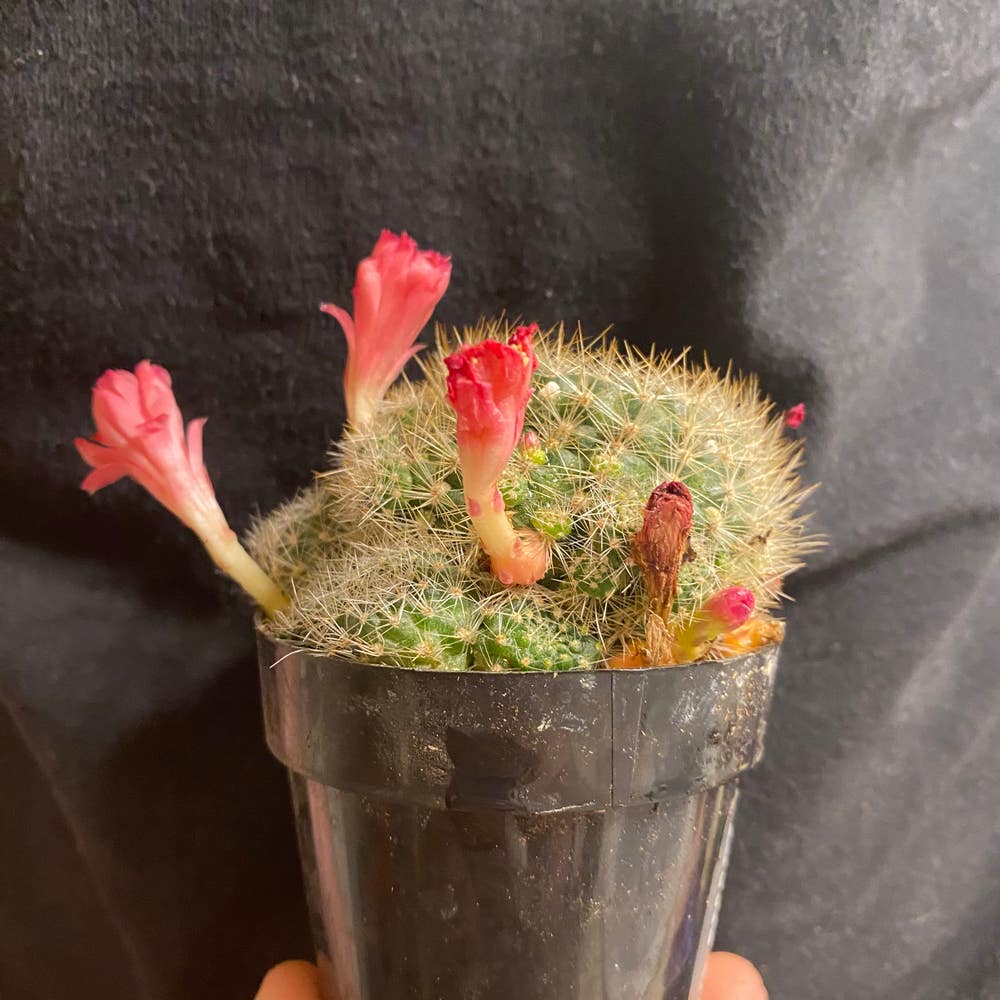
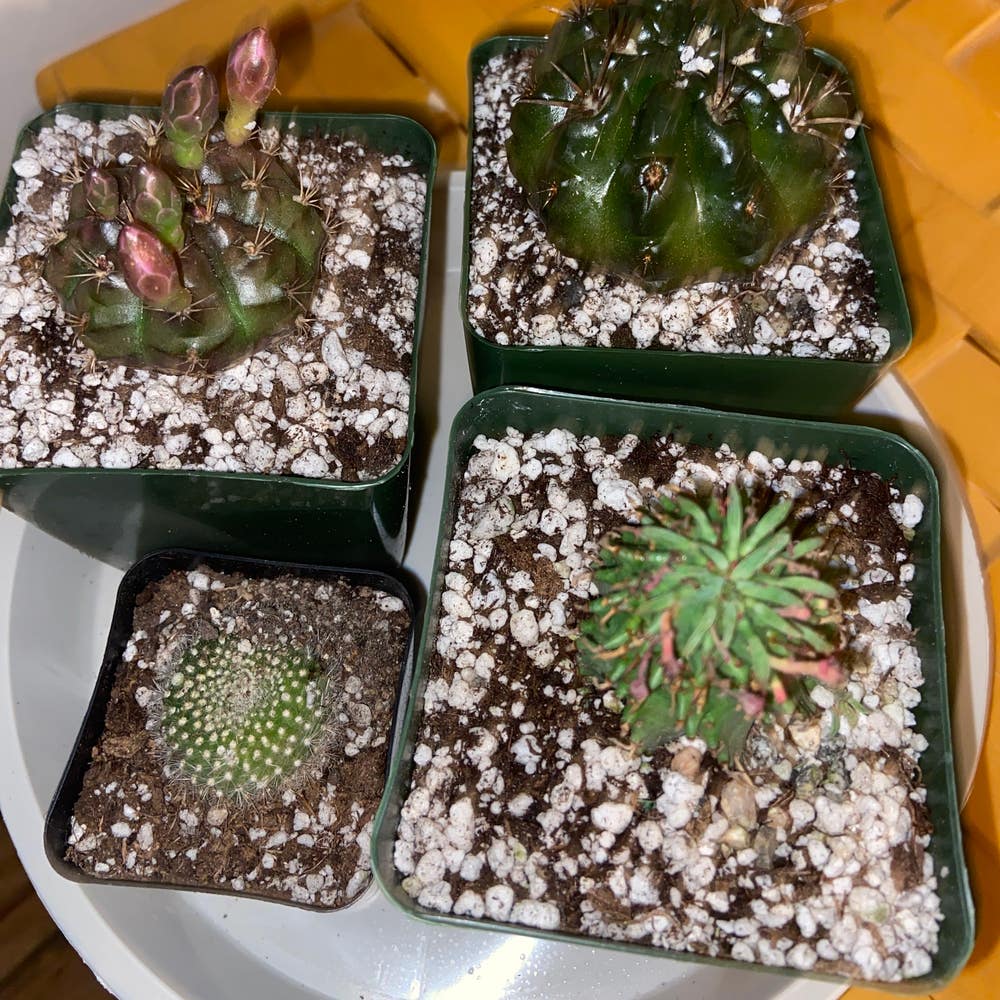
Why Are My Rebutia minuscula Leaves Droopy?
Rebutia minuscula
By the Greg Editorial Team
Mar 06, 2024•3 min read
This article was created with the help of AI so we can cover more plants for you. May contain errors. See one? Report it here.
Perk up your Rebutia minuscula 🌵 by tackling droopy leaves with these essential care tips!
- Water wisely to prevent and recover from droopy leaves.
- Well-draining soil mix with perlite or pumice is key.
- Stable temperatures and airflow maintain cactus health.
Pinpointing the Culprits Behind Droopy Leaves
💧 Overwatering and Underwatering
Yellow leaves, a general droopiness, and a wet sponge feel to the soil scream overwatering. Conversely, underwatering leaves your Rebutia minuscula as parched as last summer's lawn, with curled leaves and bone-dry soil.
🚱 Poor Drainage: A Root of the Problem
Compacted soil is like a bad relationship for roots—it's suffocating. If your cactus is sitting in soggy soil, it's time for an intervention. Quick fixes? More grit in the mix, or a pot with better drainage.
🌡️ Temperature Stress: A Hot and Cold Issue
Your Rebutia minuscula isn't a fan of temperature swings. Spot the signs of temperature trauma with leaves that look like they've been through a blender. Keep it cozy, not roasty, and your cactus will thank you with perky leaves.
Turning the Tide: Immediate Relief for Droopy Leaves
💧 Watering Woes: Finding the Sweet Spot
Adjusting your watering routine is critical for recovery. Check the soil before watering—aim for moist, not soggy. If it's wet, hold off; if it's dry, give it a drink. Use room-temperature water to avoid shocking the roots. Consistency is key, so establish a routine that allows the soil to dry slightly between waterings.
🌵 Soil SOS: Revamping Root Real Estate
The right soil mix can make or break your Rebutia minuscula's mood. Mix a well-draining cactus blend with added perlite or pumice to ensure quick drainage. Terracotta pots are great—they wick away excess moisture and let the roots breathe. Ensure your pot has adequate drainage holes and consider a gritty bottom layer to prevent water from pooling.
🌡️ Climate Control: Stabilizing the Situation
Your cactus craves a stable environment. Keep the temperature consistent—avoid the extremes of a tropical getaway or an arctic expedition. A gentle breeze from an oscillating fan can prevent stale air and help mimic the natural airflow of its native habitat. Adjust care with the seasons, and remember, your cactus is not a fan of sudden changes.
Future-Proofing Your Rebutia minuscula
💧 Water Wisdom: Keeping the Balance
Crafting a watering calendar is essential for the long-term health of your Rebutia minuscula.
- Observe your plant's response to watering and adjust the schedule accordingly.
- In the growing season, water when the soil is dry to the touch.
- Reduce watering in the fall and halt it in winter to prevent rot.
🌱 Soil and Drainage: Laying the Groundwork
Choosing the right soil mix is crucial for preventing droopy leaves in the future.
- Use a mineral mix with good drainage, at least 50% sand or pumice.
- Ensure pots have drainage holes and consider a layer of gravel at the bottom for extra drainage.
- Repot regularly to refresh the soil and encourage healthy growth.
🌍 Environmental Mastery: The Long Game
Stabilizing your Rebutia minuscula's environment is key to its longevity.
- Keep your cactus in a spot with full sun or light shade.
- Protect it from extreme temperatures; it thrives in warmth but needs cool dryness in winter.
- Monitor the environment and make changes to lighting and placement as needed.
⚠️ Safety First
This content is for general information and may contain errors, omissions, or outdated details. It is not medical, veterinary advice, or an endorsement of therapeutic claims.
Always consult a qualified healthcare professional before using any plant as food, medicine, or supplement.
Never eat any plant (or feed one to pets) without confirming its identity with at least two trusted sources.
If you suspect poisoning, call Poison Control (800) 222-1222, the Pet Poison Helpline (800) 213-6680, or your local emergency service immediately.
Spotted an error? Please report it here.
Revitalize your Rebutia minuscula by perfecting its care 🌵 with Greg's custom watering schedules, soil tips, and temperature checks, ensuring your cactus stands tall and proud.