🌸 How to Get a Rebutia minuscula to Bloom
Rebutia minuscula
By the Greg Editorial Team
Mar 06, 2024•5 min read
This article was created with the help of AI so we can cover more plants for you. May contain errors. See one? Report it here.
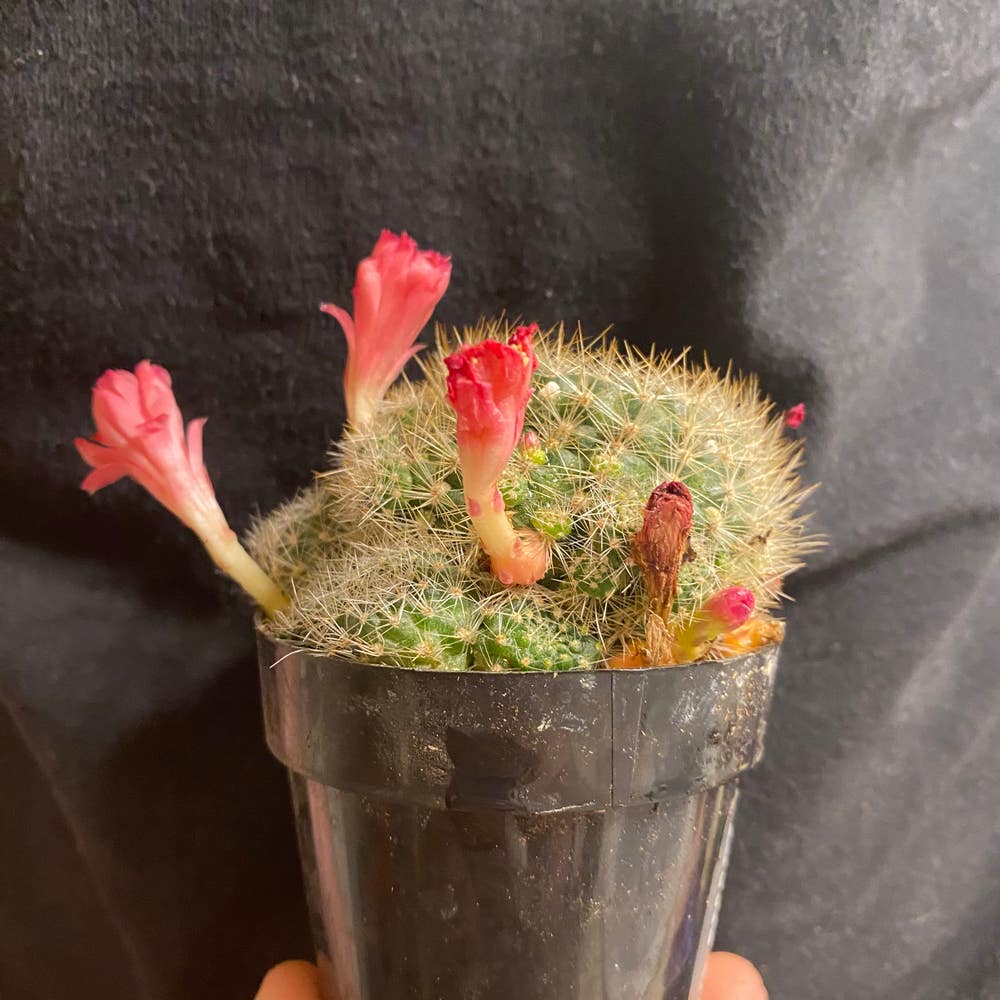
Ignite a floral fiesta 🌺 in your home by mastering the bloom-boosting dance of light and care for Rebutia minuscula.
- 🌞 Bright, indirect sunlight and south-facing windows encourage blooms.
- 🌡️ Ideal 65-75°F temperature range with cooler nights for flowering.
- 💧🌿 Consistent care and seasonal adjustments boost blooming potential.
Perfecting the Light and Temperature Dance
🌼 Sunlight Serenade: Lighting Up Blooms
Rebutia minuscula thrives under the spotlight of bright, indirect sunlight. To hit the sweet spot for flowering, position your plant where it can soak up the rays without the risk of a sunburn. Think of a location that mimics the high-altitude, filtered light of its natural habitat—perhaps near a south-facing window with a sheer curtain for protection.
🌡️ Warmth Whispers: Temperature's Role in Flowering
The ideal temperature range for coaxing Rebutia minuscula into bloom is between 65-75°F (18-24°C). Indoor gardeners should aim to recreate the temperature fluctuations of the plant's native environment. This means cooler nights and warmer days, which can be achieved by placing the plant away from heating vents and drafty windows. Remember, consistency is key—sudden temperature swings are as welcome as a snowstorm in July.
Syncing with the Seasons
🌸 Blooming on Cue: Understanding Seasonal Rhythms
Rebutia minuscula has a natural blooming calendar that aligns with the seasons. Typically, you can expect this cactus to flaunt its flowers from early spring to late spring. To witness this floral fanfare, it's crucial to understand and replicate the plant's native seasonal conditions.
Adjusting care with the seasons means cooling things down in the winter and gradually warming up as spring approaches. This mimics the cactus's mountainous habitat, where it experiences a distinct chill before the warmth that signals the start of the growing season.
Coaxing Out Flowers
To coax out flowers, start by reducing temperatures during the winter months. This simulates the Rebutia minuscula's dormant period and sets the stage for blooming. As spring nears, gradually increase warmth and light exposure, which acts as a wake-up call for the plant to start its blooming process.
Remember, consistency is key. Abrupt changes in temperature or light can confuse your cactus and disrupt its blooming rhythm. Keep it steady, and your Rebutia minuscula should reward you with a vibrant display of blooms come springtime.
Water and Food: The Bloom Boosters
💧 Quenching Thirst: Watering for Flower Power
Watering your Rebutia minuscula is crucial for its blooming success, but it's a fine line between parched and waterlogged. Consistency is key; allow the soil to dry out slightly between waterings. Overzealous watering can lead to root rot, so if you notice soft, yellowing stems, it's time to ease up on the H2O. Conversely, a plant that's too dry may wilt or have wrinkled skin, signaling an SOS for hydration.
🌼 Feeding Frenzy: Fertilizing for Fabulous Flowers
Nutrition is non-negotiable when chasing those vibrant Rebutia minuscula blooms. Balanced fertilizer is your best friend, with a focus on potassium and phosphorus to encourage flowering. Stick to the script—overfeeding can lead to nutrient burn, leaving your plant's blooming ambitions high and dry. Aim to fertilize during the growing season, tapering off as winter approaches to give your plant a well-deserved rest. Keep an eye out for salt buildup, which can be a telltale sign of over-fertilization. Remember, less is often more when it comes to plant food.
Encouraging Blooms: Pruning and Beyond
🌱 Strategic Snips: Pruning for More Blooms
Pruning isn't just a haircut for your Rebutia minuscula; it's a growth strategy. By snipping away excess foliage, you redirect the plant's energy towards blooming. Spring is the best time for this, just as the plant wakes up from its winter rest.
Prune with purpose: remove dead or weak growth to encourage a flush of flowers. Be cautious not to over-prune, as this can stress the plant. Always cut just above a leaf node to promote new growth.
🌸 After the Bloom: Ensuring Ongoing Flower Shows
Post-bloom care is crucial for setting the stage for future flowers. Deadheading, or removing spent blooms, prevents the plant from wasting energy on seed production. This encourages a second act of blooming.
Keep your Rebutia minuscula in top shape by continuing to provide optimal care after the flowers fade. This includes maintaining a consistent watering schedule and providing a balanced fertilizer to replenish nutrients. Remember, a happy cactus is a blooming cactus.
Overcoming Bloom Blockades
💡 Solving the Mystery: Why Won't My Rebutia minuscula Bloom?
Lighting Lapses: Your Rebutia minuscula might be throwing shade instead of flowers due to poor lighting. Too little light and it's lounging in laziness; too much light and it's a sunburnt sulk. Find that Goldilocks zone: bright, indirect light is the sweet spot.
Water Woes: Overwatering is like giving your plant a bath with its socks on – uncomfortable and unnecessary. On the flip side, underwatering is like sending it to a desert with a sealed water bottle. Aim for moist soil – not a swamp, not a dust bowl.
Temperature Tantrums: If your Rebutia minuscula is not blooming, it might be because the temperature is as stable as a house of cards. These plants crave a temperature fluctuation between day and night, mimicking their natural habitat.
Feeding Fumbles: Using the wrong fertilizer is like feeding a bodybuilder a diet of only candy – useless for muscle growth. A phosphorus-rich fertilizer can encourage blooms, but don't overdo it. You want a floral display, not a foliage festival.
Pruning Pitfalls: Pruning with the finesse of a bull in a china shop can do more harm than good. Strategic snips can encourage blooming, but remember, it's a scalpel you need, not a sledgehammer.
Pest Parties: Aphids, spider mites, and mealybugs are the uninvited guests that never bring good gifts. Regular pest checks and prompt eviction notices are crucial to stop these freeloaders from crashing the bloom bash.
Patience, Please: Sometimes, your Rebutia minuscula is just a late bloomer – literally. It's not being stubborn; it just needs time to mature. So, sometimes, the best action is no action. Just wait and provide consistent care.
If you've played detective and ruled out all the usual suspects, but your Rebutia minuscula still won't bloom, it might be time to consult a local horticulturist. They're like plant therapists, ready to unravel the deepest issues stifling your plant's performance.
⚠️ Safety First
This content is for general information and may contain errors, omissions, or outdated details. It is not medical, veterinary advice, or an endorsement of therapeutic claims.
Always consult a qualified healthcare professional before using any plant as food, medicine, or supplement.
Never eat any plant (or feed one to pets) without confirming its identity with at least two trusted sources.
If you suspect poisoning, call Poison Control (800) 222-1222, the Pet Poison Helpline (800) 213-6680, or your local emergency service immediately.
Spotted an error? Please report it here.
Experience the joy of a flourishing Rebutia minuscula 🌺 with Greg's tailored reminders for the perfect sun, sip, and season regimen.