🌵 Propagating Your Rebutia minuscula: Step-by-Step Guide
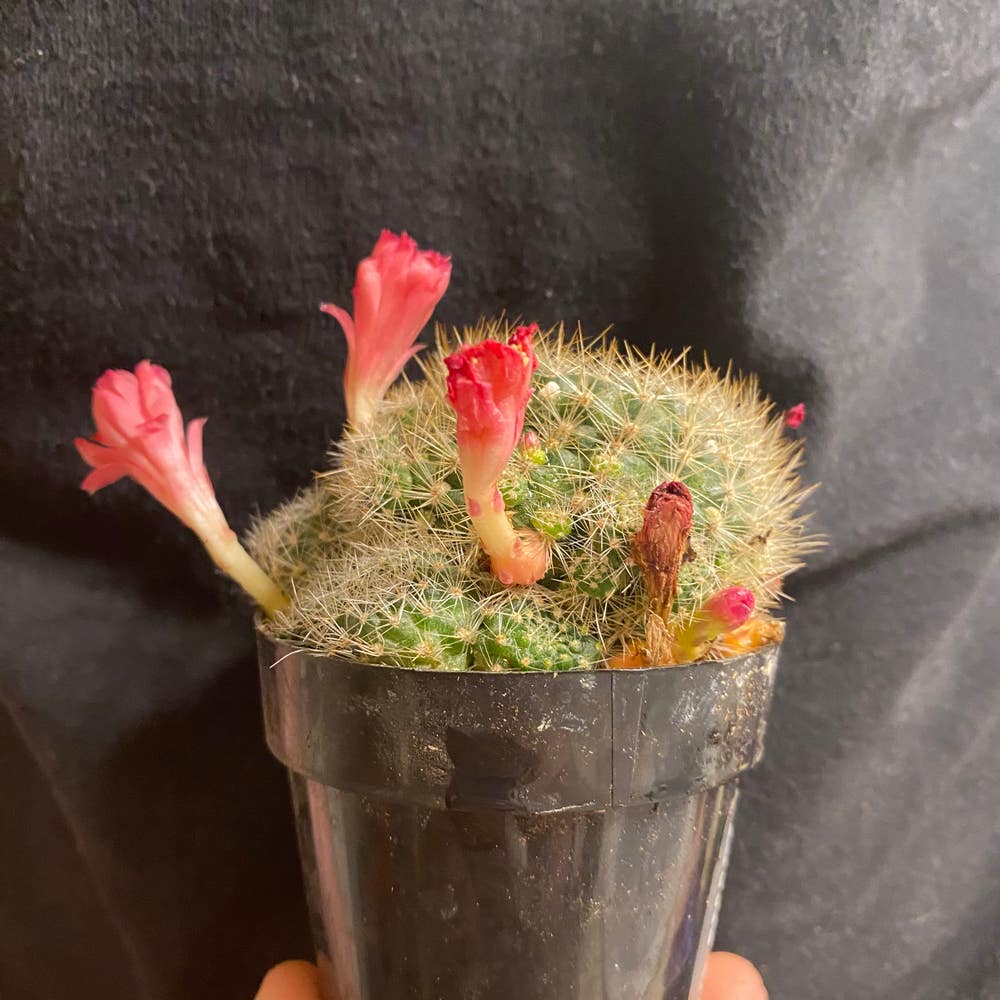
Rebutia minuscula
By the Greg Editorial Team
Mar 06, 2024•4 min read
This article was created with the help of AI so we can cover more plants for you. May contain errors. See one? Report it here.
Propagate your spiny friends 🌵 and watch your cactus collection thrive with this foolproof Rebutia minuscula guide!
- Offsets ensure quick propagation, look for plump ones with roots.
- Seeding for patient growers: requires warmth, indirect light, and well-draining substrate.
- Monitor and adjust care to prevent rot, damping-off, and ensure growth.
Choosing Your Propagation Path
🌱 Offsets: Nature's Gift for Easy Multiplication
In the world of Rebutia minuscula, offsets are your golden ticket to quick propagation. These little clones hug the mother plant, ready to be snipped and start a life of their own.
Spotting and Snipping
Look for plump offsets that have sprouted roots. Size does matter here; bigger offsets are more robust and independent. Use a sterilized knife or scissors to separate them from the parent, keeping as many roots intact as possible.
Prepping Your Pups
Once separated, let the offsets dry for a day to form a callous over the cut surface—think of it as a natural band-aid. Then, nestle them into a well-draining soil mix, barely covering the roots. Water sparingly to avoid rot and kick-start their growth.
🌵 Seeds: Starting from Scratch
For those who prefer playing the long game, seeding is your method of choice. It's a test of patience, but the reward is a batch of genetically unique cacti.
Seed Collection
Harvest seeds from your Rebutia minuscula after the flowers have wilted. Wait for the right moment when the seeds are mature but before they're dispersed by wind or critters.
Sowing Secrets
Sow the seeds in a tray filled with a gritty, well-draining substrate. Cover them lightly with sand and maintain a consistent moisture level—think damp, not drenched. Provide warmth and indirect light to coax them into germinating. It's a slow dance, but when those tiny green shoots appear, it's pure magic.
Planting Your Future Cacti
🏺 The Right Home: Pots and Soil
Selecting the perfect pot is a balancing act. It should hug the root ball snugly without cramping its style. Drainage holes? Non-negotiable. They're the difference between a thriving cactus and a waterlogged mess.
When it comes to soil, think light and airy. A cactus-friendly substrate is a mix of potting soil, sand, and perlite. It's like a breathable fabric for roots, allowing water to pass through without lingering.
🌱 The Root of Success: Planting and Rooting Techniques
Planting depth is key. For offsets, aim for a shallow trench that allows the base to sit at soil level. Seeds prefer a sprinkle on the surface, followed by a light dusting of soil.
Encouraging roots is all about tough love. Keep the soil moist but not wet. Think of it as a fitness routine for roots, making them strong and capable. A light watering after planting sets the stage for growth without drowning your plant's ambitions.
Nurturing New Growth
💧 Water Wisdom: Balancing Moisture
Watering your Rebutia minuscula cuttings is a delicate balance. The soil should be moist, like a well-wrung sponge, but never soggy. Overwatering is a fast track to root rot, while underwatering will leave your cacti thirsty and stunted. Check the soil every few days; if the top inch is dry, it's time for a drink.
☀️ Light and Warmth: Creating the Ideal Environment
Your propagates need a warm and bright environment, but direct sunlight is a no-go. Think of placing them in a spot that's sun-drenched yet shielded, like a sunbather under an umbrella. Aim for temperatures around 75° to 80°F, with humidity that mimics a misty morning. If you're propagating in cooler seasons, consider a heat mat to coax those roots out.
When Things Don't Go as Planned
👀 Keeping an Eye Out: Monitoring Progress
Vigilance is your ally in the propagation game. Look for new growth—this is your green flag that things are on track. Slow growth might just mean your Rebutia minuscula is a late bloomer, but no growth? That's your cue to reassess the care you're giving. Touch the leaves; they should be firm, not squishy. Squishiness is your plant's way of crying out for help.
🆘 SOS: Addressing Common Propagation Pitfalls
Rot is the boogeyman of the cactus world. If your plant's base is softer than a marshmallow, it's time to cut back on the H2O. Make sure your soil is more of a sieve than a sponge—drainage is key. Spotted any creepy crawlies? Show them the door with a gentle insecticide. And if your Rebutia is growing slower than a tortoise on a treadmill, it might need more sunshine or a slight temperature tweak.
Seedlings that kick the bucket after emerging could be victims of damping-off, a fungal party you didn't send an invite to. Ease up on watering and ensure your soil mix wouldn't drown a fish. It's like city planning for plants; without proper drainage, you're headed for disaster. Keep your eyes peeled for yellowing leaves or a general lack of enthusiasm from your plant—it might be time for a pep talk or a care routine intervention.
⚠️ Safety First
This content is for general information and may contain errors, omissions, or outdated details. It is not medical, veterinary advice, or an endorsement of therapeutic claims.
Always consult a qualified healthcare professional before using any plant as food, medicine, or supplement.
Never eat any plant (or feed one to pets) without confirming its identity with at least two trusted sources.
If you suspect poisoning, call Poison Control (800) 222-1222, the Pet Poison Helpline (800) 213-6680, or your local emergency service immediately.
Spotted an error? Please report it here.
Propagate your Rebutia minuscula effortlessly 🌱 with Greg's custom care plans and a community ready to help you tackle any propagation challenge, from offsets to seeds!