10 Facts About Red Crown Cactus Pollination 🌵
Rebutia minuscula
By the Greg Editorial Team
Sep 30, 2024•6 min read
This article was created with the help of AI so we can cover more plants for you. May contain errors. See one? Report it here.
Unlock the secrets of the Red Crown Cactus's flowers 🌸 to enhance pollination and nurture thriving ecosystems!
- 🌸 Red Crown Cactus flowers attract bees, butterflies, and hummingbirds for effective pollination.
- 🌱 Hand pollination boosts seed production, especially when done in the morning.
- 🌼 Creating a pollinator-friendly garden enhances biodiversity and supports cactus health.
Flower Structure
🌸 Description of Flower Parts
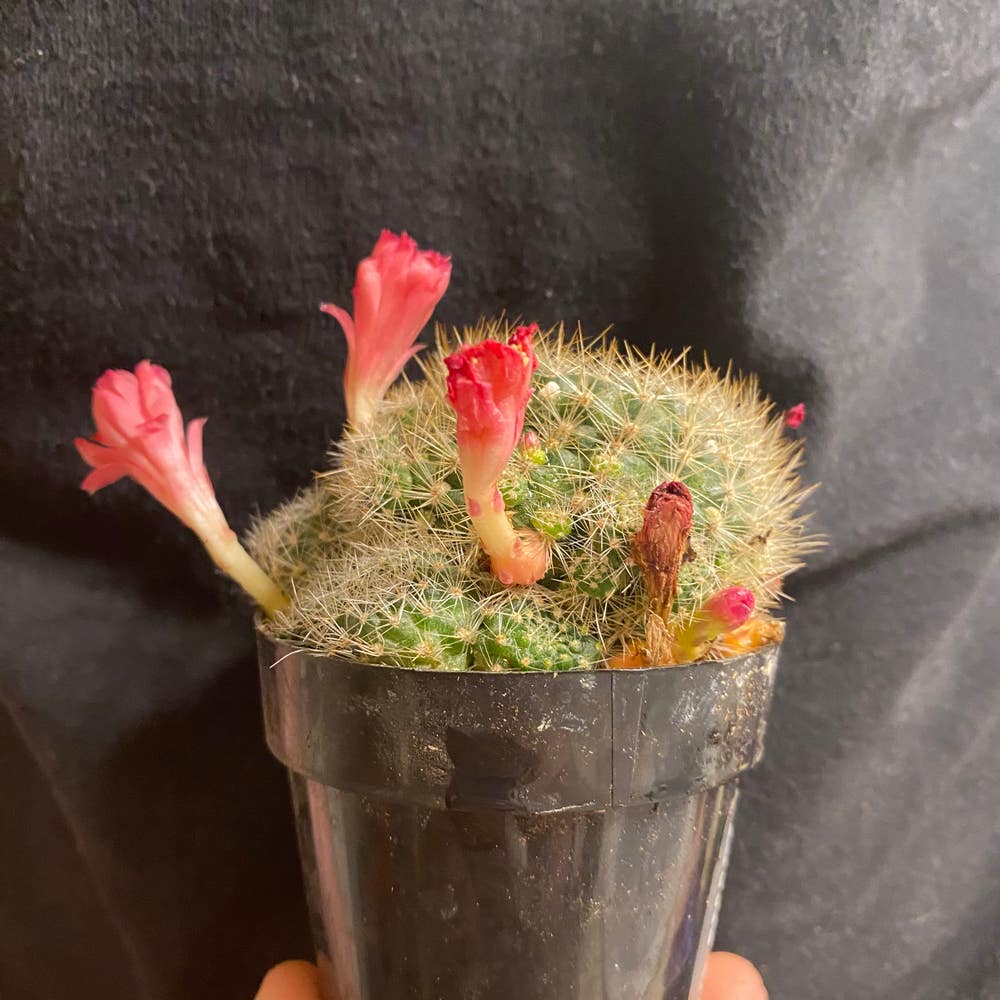
The Red Crown Cactus boasts vibrant red or pink petals that are funnel-shaped, designed to attract specific pollinators. These eye-catching colors play a crucial role in drawing in creatures that will aid in pollination.
Green, leaf-like sepals protect the flower bud, ensuring it remains safe until it's ready to bloom. Surrounding the central structure are numerous stamens, each with long filaments and anthers that produce pollen, vital for fertilization.
At the heart of the flower lies the pistil, which contains the ovary, stigma, and style. This central structure is essential for the fertilization process, making it a key player in the cactus's reproductive success.
🐝 How Flower Structure Facilitates Pollination
The unique shape and vibrant color of the flower are not just for show; they attract specific pollinator species, enhancing cross-pollination. This targeted attraction increases genetic diversity, which is essential for the health of the species.
The arrangement of stamens and pistils is strategically designed for effective pollen transfer. When pollinators visit, they easily brush against these structures, ensuring that pollen is efficiently moved from one flower to another.
Timing is also crucial. The flowers open when pollinators are most active, optimizing the chances for successful fertilization. This synchronization between flower and pollinator activity is a fascinating aspect of the Red Crown Cactus's reproductive strategy.
As we delve deeper into the world of pollination, understanding these structural elements sets the stage for exploring natural pollination mechanisms.
Natural Pollination
🌬️ Pollen Transfer Mechanisms
Natural pollination is a fascinating process that relies on both wind and animal-mediated transfer. Most notably, visiting pollinators play a crucial role in moving pollen from the anthers of one flower to the stigma of another, which is essential for genetic diversity.
🦸♂️ Primary Pollinators
Pollinators are the unsung heroes of the plant world. Here are the primary players:
Bees: Their attraction to bright colors and sweet nectar makes them vital for cross-pollination. They collect both pollen and nectar, ensuring the flowers thrive.
Butterflies: These colorful insects are drawn to vibrant flowers, contributing to pollen transfer while they feed. Their delicate movements help spread pollen effectively.
Moths: Active during twilight, moths are attracted to the scent and nectar of flowers. Their nighttime visits enhance pollination when other pollinators are inactive.
Hummingbirds: With their long beaks, hummingbirds can access nectar deep within flowers. This unique adaptation promotes efficient pollen transfer, making them essential for certain plants.
Understanding these pollinators and their roles can deepen our appreciation for the intricate relationships in nature. By fostering environments that support these creatures, we can enhance the pollination process and contribute to the health of ecosystems.
Next, we’ll explore how to hand-pollinate red crown cacti, ensuring their continued growth and reproduction.
Hand Pollination
Hand pollination can be a rewarding way to ensure the success of your red crown cactus. Here’s how to do it effectively.
📝 Step-by-Step Instructions
Identify Male and Female Flower Parts:
- Male: Look for stamens that are covered in pollen.
- Female: Identify the pistil, which has a sticky stigma at its tip.
Collecting Pollen:
- Gently tap or brush the anthers with a small brush or cotton swab to gather pollen. This step is crucial for ensuring you have enough pollen for transfer.
Transferring Pollen:
- Carefully apply the collected pollen to the stigma of the female flower. This direct contact is essential for fertilization.
Timing:
- Perform hand pollination in the morning when flowers are fully open. This is when they are most receptive and ready for pollen.
🔍 Identifying Male and Female Parts
Understanding the flower's anatomy is key to successful pollination.
- Male Parts: The stamens are usually more numerous and encircle the central pistil. Their role is to produce and release pollen.
- Female Parts: The pistil is centrally located and often has a sticky surface designed to catch pollen. This sticky stigma is vital for successful fertilization.
Hand pollination not only boosts your cactus's chances of producing seeds but also deepens your connection to the plant. By engaging in this process, you contribute to the plant's life cycle and ensure its continued growth.
Next, let’s explore how to support pollinators in your garden, creating a thriving ecosystem for your red crown cactus and its friends.
Supporting Pollinators
🌼 Creating a Pollinator-Friendly Environment
To support pollinators, start by planting native flowering plants that bloom at various times throughout the year. This strategy ensures a continuous food source, keeping pollinators like bees and butterflies well-fed.
It's equally important to avoid pesticides that can harm these beneficial species. Opt for organic methods to manage pests, ensuring a safe haven for your pollinator friends.
🌱 Companion Plants
Incorporating companion plants can significantly enhance your garden's appeal to pollinators. Consider adding:
- Marigolds: Their bright colors are irresistible to bees and butterflies.
- Lavender: This fragrant flower attracts a variety of pollinators, making it a garden favorite.
- Salvia: Known for providing nectar, it draws in hummingbirds and bees alike.
By creating a diverse and welcoming environment, you can foster a thriving ecosystem that benefits both your garden and its pollinators. This not only enhances the beauty of your space but also contributes to the overall health of the environment.
As we explore the challenges faced by pollinators, it's crucial to understand how we can further support their vital role in our ecosystems.
Pollination Challenges
🌪️ Common Obstacles
Pollination faces several challenges that can hinder the process. Environmental factors like extreme temperatures, low humidity, and drought significantly affect pollinator activity.
Urbanization and habitat loss also play a crucial role in reducing the number of visiting pollinators. This lack of pollinators can lead to decreased genetic diversity and lower fruit yields.
🛠️ Solutions
Creating microhabitats can be a game-changer for attracting pollinators. Incorporating shade and moisture into your garden can provide a welcoming environment for these essential creatures.
Additionally, planting a diverse range of flowers supports various pollinator species. This diversity enhances pollination success and contributes to a healthier ecosystem.
Monitoring environmental conditions is vital. Adjusting care practices based on these conditions can help support both plant health and pollinator activity, ensuring a thriving garden.
With these strategies, you can combat the challenges of pollination and foster a vibrant, pollinator-friendly environment. Next, let’s explore how to support these vital pollinators effectively.
⚠️ Safety First
This content is for general information and may contain errors, omissions, or outdated details. It is not medical, veterinary advice, or an endorsement of therapeutic claims.
Always consult a qualified healthcare professional before using any plant as food, medicine, or supplement.
Never eat any plant (or feed one to pets) without confirming its identity with at least two trusted sources.
If you suspect poisoning, call Poison Control (800) 222-1222, the Pet Poison Helpline (800) 213-6680, or your local emergency service immediately.
Spotted an error? Please report it here.
Unlock the secrets of Red Crown Cactus pollination 🌵 and let Greg guide you with tailored care tips to create a thriving ecosystem for your plants and their pollinators!