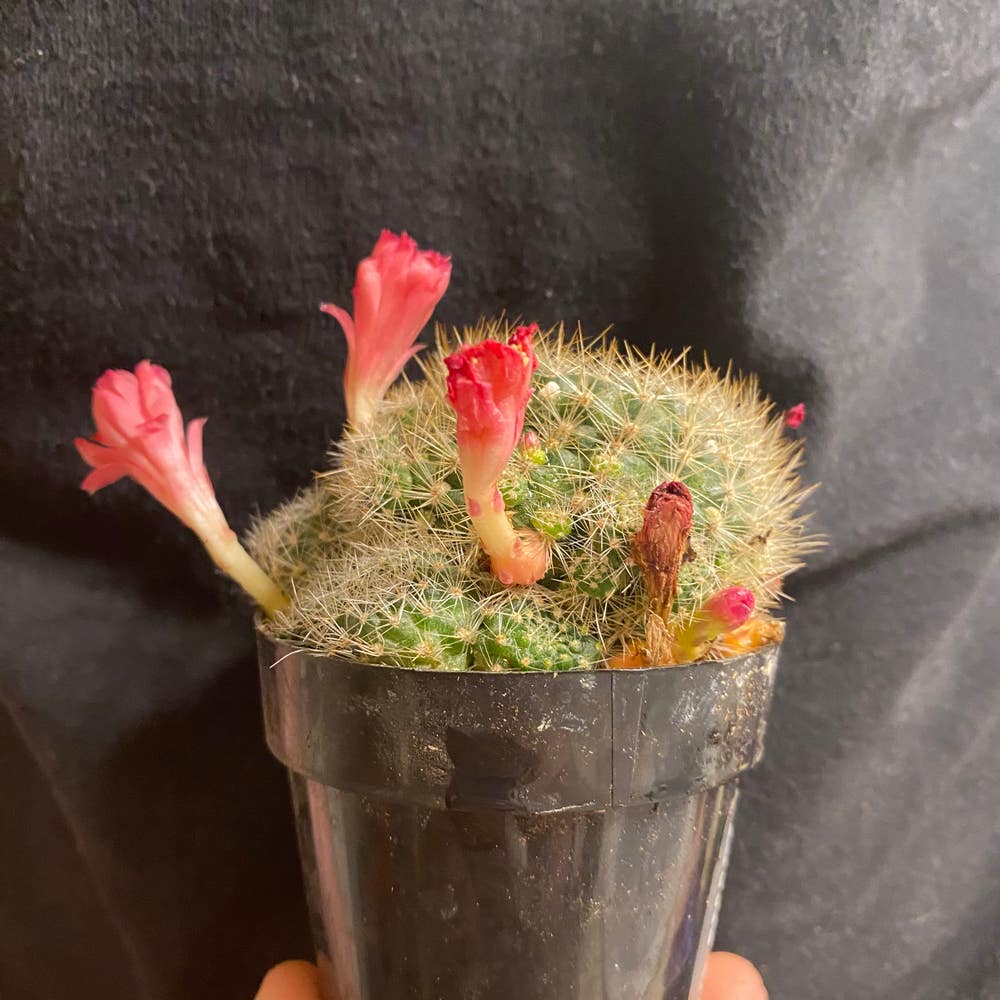
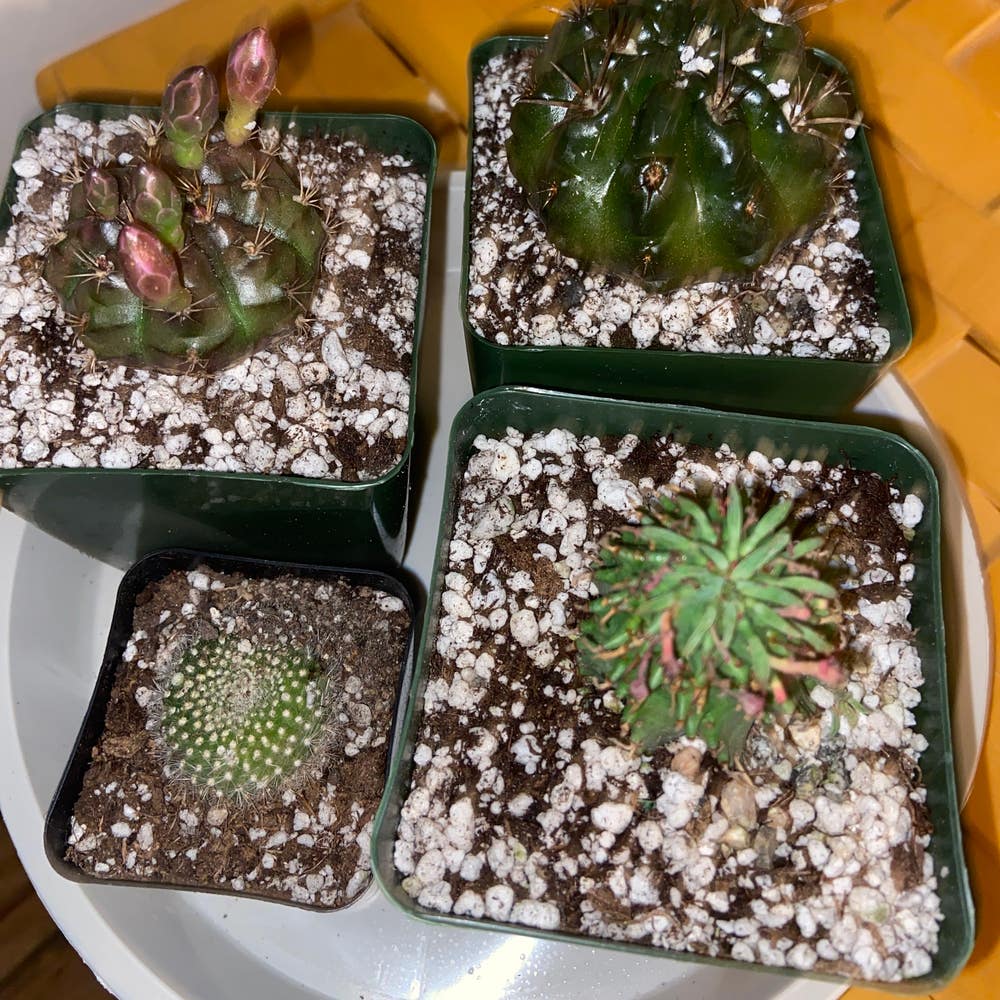
Optimal Hardiness Zones for Red Crown Cactus: 9a-11b 🌵
Rebutia minuscula
By the Greg Editorial Team
Sep 30, 2024•5 min read
This article was created with the help of AI so we can cover more plants for you. May contain errors. See one? Report it here.
Unlock the secrets to thriving Red Crown Cactus 🌵 by mastering its temperature tolerances and ideal growing conditions!
- 🌵 Red Crown Cactus thrives in zones 9a to 11b, ideal for specific U.S. regions.
- 🌡️ Tolerates temperatures from 20°F to 100°F, but avoid sudden changes for healthy growth.
- 🌞 Requires at least six hours of sunlight daily and well-drained soil for optimal health.
Temperature Tolerance of Red Crown Cactus
❄️ Cold Tolerance Specifics
Red Crown Cactus can endure temperatures as low as 20°F (-6°C). While it can survive light frost, prolonged exposure can damage its tissues, making it crucial to monitor frost conditions.
🔥 Heat Tolerance Specifics
This resilient cactus thrives in temperatures reaching up to 100°F (38°C). However, extended heat can stress the plant, potentially stunting its growth and affecting its overall health.
🌡️ Impact of Temperature Extremes on Growth
Sudden temperature shifts can shock the Red Crown Cactus, leading to stunted growth or even death. Acclimatization is vital; gradually introducing the cactus to temperature extremes helps ensure optimal growth and resilience.
Understanding these temperature tolerances is essential for successful cultivation. Next, we'll explore the ideal regions for growing Red Crown Cactus.
Ideal Regions for Growing Red Crown Cactus
🌍 Examples of US States in Suitable Zones (9a-11b)
Red Crown Cactus thrives in specific hardiness zones, particularly 9a to 11b. The ideal states for cultivating this resilient plant include:
- California: Regions like Southern California, especially around San Diego, offer the perfect climate.
- Arizona: The Sonoran Desert is a natural habitat for Red Crown Cactus, providing ample sunlight and warmth.
- Texas: Areas such as West Texas, with its arid conditions, are particularly favorable.
- Florida: The southern parts, where temperatures remain mild, support healthy growth.
- New Mexico: The high desert regions provide the right balance of heat and dryness.
These states not only meet the temperature requirements but also offer the right environmental conditions for optimal growth.
🌱 Factors Contributing to Ideal Growing Conditions
To ensure your Red Crown Cactus flourishes, consider these essential factors:
Soil Requirements
Well-drained soil is crucial for Red Crown Cactus. This plant cannot tolerate waterlogged conditions, so sandy or rocky soils are ideal.
Sunlight Exposure
Full sun is a must for this cactus. Aim for at least six hours of direct sunlight daily to promote healthy growth and vibrant blooms.
Moisture Considerations
Drought tolerance is a key feature of Red Crown Cactus. It requires minimal water, making it an excellent choice for low-maintenance gardens.
Understanding these factors will help you create the perfect environment for your Red Crown Cactus, ensuring it thrives in your garden.
As you explore the ideal regions and conditions for this cactus, it's essential to consider how microclimates can further enhance its growth potential.
Microclimates and Their Effects
🌱 How Microclimates Can Extend Growing Range
Microclimates can significantly enhance the growing range of Red Crown Cactus, allowing it to flourish beyond its typical hardiness zones. These localized environments create conditions that can be more favorable than the surrounding areas.
Factors such as elevation, proximity to water, and urban heat islands play crucial roles in forming microclimates. For instance, a south-facing slope may capture more sunlight, while areas near water bodies can maintain higher humidity levels, benefiting the cactus.
🏖️ Examples of Microclimates that Benefit Red Crown Cactus
Several microclimates across the U.S. support the growth of Red Crown Cactus. In Southern California, coastal areas often enjoy milder temperatures, providing a buffer against extreme heat and cold.
Urban areas, like Phoenix, Arizona, create heat islands that can protect cacti from frost. These microclimates not only shield the plants but also promote healthier growth by moderating temperature fluctuations.
Understanding these microclimates can empower gardeners to optimize their planting strategies, ensuring their Red Crown Cactus thrives even in less-than-ideal conditions.
As we explore state-level suitability next, consider how local climate variations can further influence your cactus-growing journey.
State-Level Suitability Analysis
🌵 List of States Suitable for Red Crown Cactus (9a-11b)
Red Crown Cactus thrives in specific states that fall within hardiness zones 9a to 11b. Here’s a quick look at the most suitable states:
- California: Known for its warm, dry climate, particularly in Southern California, where temperatures rarely dip below freezing.
- Arizona: Offers a desert climate with plenty of sunshine, making it ideal for this cactus species.
- Texas: The southern regions provide the warmth and minimal frost that Red Crown Cactus prefers.
- Florida: With its subtropical climate, Florida provides the humidity and warmth that support healthy growth.
- New Mexico: The arid conditions and sunny days create a perfect environment for this resilient cactus.
🚫 List of States Unsuitable for Red Crown Cactus and Reasons Why
While some states are perfect for growing Red Crown Cactus, others are not. Here are a few states where this cactus struggles:
- North Dakota: Extreme cold and frost risk make it impossible for Red Crown Cactus to survive.
- Minnesota: Similar to North Dakota, the harsh winters are detrimental to this plant.
- Maine: The cooler climate and frequent frost prevent successful growth.
These states face challenges like extreme cold and unsuitable growing conditions, which are not conducive to the cactus's needs.
🌦️ Discussion of Regional Climate Variations
Even within suitable states, regional climate variations can significantly impact the growth of Red Crown Cactus.
For instance, coastal areas may experience more humidity, while inland regions can be drier and hotter.
Understanding local climate data is crucial for determining the best planting locations. This knowledge helps gardeners make informed decisions about where to plant their Red Crown Cactus for optimal growth and health.
As we explore the next section, we'll dive into the fascinating world of microclimates and how they can extend the growing range of this unique cactus.
⚠️ Safety First
This content is for general information and may contain errors, omissions, or outdated details. It is not medical, veterinary advice, or an endorsement of therapeutic claims.
Always consult a qualified healthcare professional before using any plant as food, medicine, or supplement.
Never eat any plant (or feed one to pets) without confirming its identity with at least two trusted sources.
If you suspect poisoning, call Poison Control (800) 222-1222, the Pet Poison Helpline (800) 213-6680, or your local emergency service immediately.
Spotted an error? Please report it here.
Maximize your Red Crown Cactus's potential in hardiness zones 9a-11b 🌵 by using Greg's tailored watering reminders and care tips to ensure it thrives in your unique environment!