🌵 Red Crown Cactus Is Not Considered a Weed
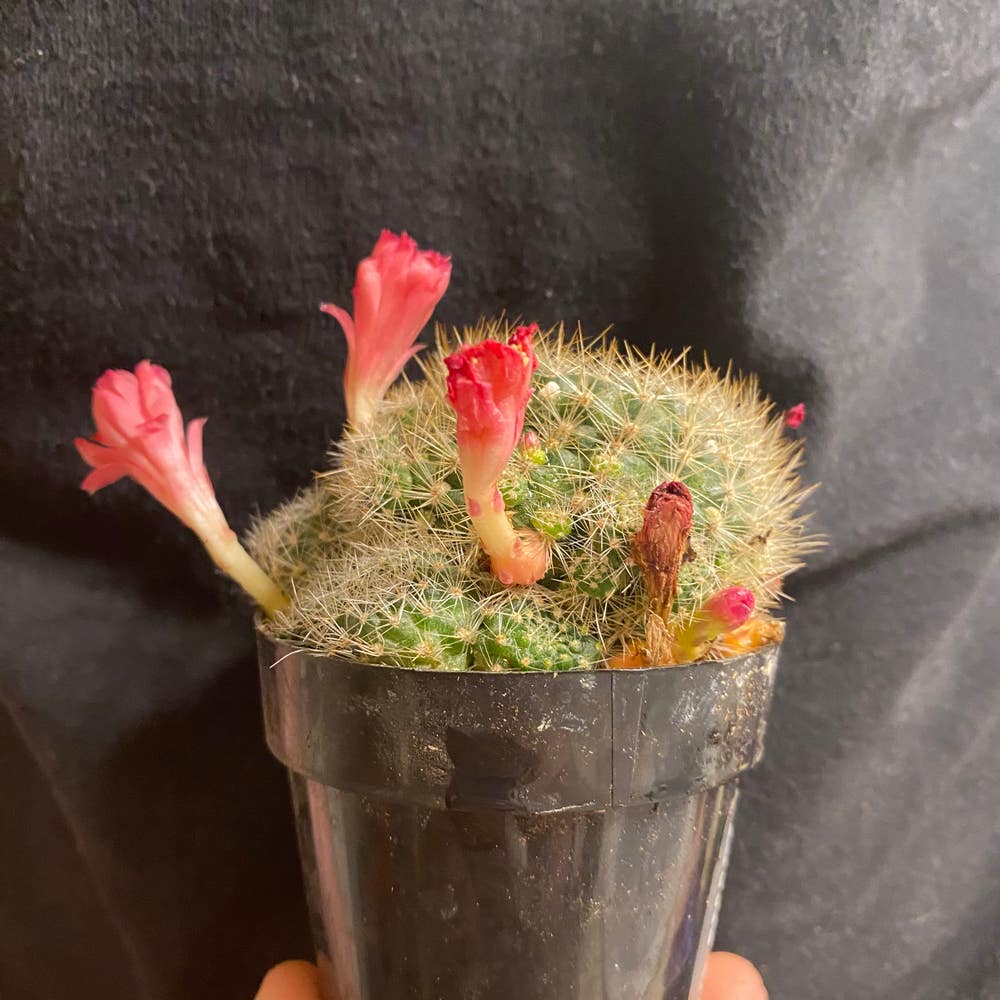
Rebutia minuscula
By the Greg Editorial Team
Sep 30, 2024•5 min read
This article was created with the help of AI so we can cover more plants for you. May contain errors. See one? Report it here.
Transform your garden with the Red Crown Cactus 🌵—a low-maintenance hero that boosts biodiversity! 🌱
- 🌵 Red Crown Cactus is non-invasive, making it a safe garden choice.
- 🌼 Blooms vibrantly in spring, adding seasonal beauty to your landscape.
- 💧 Thrives on minimal water, perfect for low-maintenance gardening.
Plant Classification
Definition of Invasive Species 🌱
Invasive species are plants that exhibit rapid growth and spread, often outcompeting native flora. They can displace local species and negatively impact ecosystems, disrupting the balance of nature.
Characteristics of Red Crown Cactus 🌵
The Red Crown Cactus stands out with its clumping growth pattern, which limits its spread. It thrives in harsh conditions, requiring little water and minimal maintenance, making it an excellent choice for low-effort gardening.
Comparison with Invasive Plants ⚖️
When compared to common invasive species in similar habitats, the Red Crown Cactus demonstrates a non-invasive nature. Its benefits include enhancing local biodiversity and providing a stable environment for various wildlife, unlike aggressive invaders that can wreak havoc on ecosystems.
This unique classification highlights the importance of recognizing beneficial plants like the Red Crown Cactus in our gardens. As we explore its growth habits next, we’ll see how this resilient cactus can thrive beautifully in diverse settings.
Growth Habits
🌱 Typical Growth Patterns in Gardens
The Red Crown Cactus exhibits a distinctive clumping habit, typically reaching heights of 12 to 24 inches. Its spread is limited, making it an ideal choice for garden spaces where control is essential.
Seasonally, this cactus showcases vibrant flowers, usually blooming in late spring to early summer. During dormancy in the cooler months, it conserves energy, allowing for a robust return in warmer weather.
🌵 Natural Limits to Growth
This resilient plant thrives in well-drained soil, requiring minimal water to flourish. Its adaptability to harsh conditions makes it a low-maintenance option for gardeners.
Temperature and sunlight are crucial for its growth. The Red Crown Cactus prefers full sun and can withstand high temperatures, making it perfect for xeriscaping.
📏 Spread Potential and Management
Unlike invasive species, the Red Crown Cactus has a limited spread, which simplifies garden management. Its controlled growth allows for easy integration into various landscapes.
To maintain its shape and size, consider these simple practices:
- Regularly monitor its growth to catch any unexpected changes.
- Prune as needed to keep the cactus looking tidy.
- Use barriers if you want to restrict its spread further.
These steps ensure that your garden remains vibrant and well-organized, showcasing the beauty of the Red Crown Cactus without overwhelming other plants.
Ecological Role
🌼 Benefits to Local Ecosystems
The Red Crown Cactus plays a vital role in enhancing biodiversity. It attracts essential pollinators like bees and hummingbirds, which are crucial for the health of many plants.
Additionally, this cactus contributes to soil health and helps control erosion. Its roots stabilize the soil, preventing it from washing away during heavy rains.
🦉 Interactions with Wildlife
This cactus fosters positive relationships with local wildlife. It provides habitat and food sources for various species, promoting a balanced ecosystem.
Moreover, Red Crown Cactus can attract beneficial insects, which further supports pollination and pest control in gardens.
🌱 Contributions to Biodiversity
Incorporating Red Crown Cactus into garden ecosystems significantly boosts plant and animal diversity. It creates a welcoming environment for various species, enriching the local habitat.
Native plants like the Red Crown Cactus are essential for maintaining ecological balance. They support local wildlife and contribute to a thriving, sustainable ecosystem.
As we explore the ecological benefits of the Red Crown Cactus, it becomes clear that its presence is not just beneficial but essential for a healthy garden environment. Next, we will delve into effective garden management strategies to maximize its potential.
Garden Management
Incorporating Red Crown Cactus into Designs 🌵
Integrating Red Crown Cactus into your garden can elevate its aesthetic appeal. Consider these design principles:
Grouping with Other Xeriscape Plants: Pairing Red Crown Cactus with drought-tolerant companions enhances the overall look while promoting water conservation.
Creating Focal Points: Use the unique shape and vibrant blooms of Red Crown Cactus to draw the eye, making it a standout feature in your landscape.
Utilizing in Rock Gardens: This cactus thrives in rocky settings, making it perfect for desert-themed landscapes or rock gardens.
Aesthetic Considerations 🎨
The Red Crown Cactus offers striking color and texture contrasts against other plants. Its seasonal blooms provide ongoing interest, while its structural form adds dimension year-round.
Practical Growth Control Methods ⚙️
Managing the growth of Red Crown Cactus is straightforward. Here are some effective techniques:
Pruning and Shaping: Regular pruning helps maintain its desired size and shape, ensuring it fits well within your garden design.
Monitoring for Overcrowding: Keep an eye on its growth to prevent overcrowding, which can stifle its health and beauty.
Using Mulch: Applying mulch not only controls moisture but also suppresses weeds, allowing your cactus to thrive without competition.
Incorporating these strategies will ensure your Red Crown Cactus flourishes while enhancing your garden's beauty. As we explore the next section, we'll delve into the legal and environmental considerations surrounding this unique plant.
Legal and Environmental Considerations
Relevant Classifications and Guidelines 🌱
When considering planting Red Crown Cactus, it's essential to be aware of local regulations. Many areas have specific guidelines to ensure that non-invasive species are promoted in gardens.
Sourcing your Red Crown Cactus from reputable nurseries is crucial. This practice not only supports local businesses but also ensures that you are getting healthy, ethically sourced plants.
Sustainable Gardening Practices ♻️
Red Crown Cactus plays a significant role in xeriscaping, which emphasizes water conservation. Its low water requirements make it an excellent choice for sustainable gardens.
Using native plants like the Red Crown Cactus enhances your landscape's ecological integrity. These plants support local wildlife and contribute to a balanced ecosystem.
Environmental Impact of Red Crown Cactus 🌍
The Red Crown Cactus positively contributes to local ecosystems by providing habitat and food for various species. Its presence can help mitigate the negative impacts associated with invasive species.
By choosing to plant Red Crown Cactus, you are making a conscious decision to support biodiversity in your garden. This choice fosters a healthier environment for both plants and animals.
As you consider incorporating this unique cactus into your garden, think about how it can enhance not just your space but also the local ecosystem. Next, let’s explore how to effectively manage and incorporate Red Crown Cactus into your garden design.
⚠️ Safety First
This content is for general information and may contain errors, omissions, or outdated details. It is not medical, veterinary advice, or an endorsement of therapeutic claims.
Always consult a qualified healthcare professional before using any plant as food, medicine, or supplement.
Never eat any plant (or feed one to pets) without confirming its identity with at least two trusted sources.
If you suspect poisoning, call Poison Control (800) 222-1222, the Pet Poison Helpline (800) 213-6680, or your local emergency service immediately.
Spotted an error? Please report it here.
Transform your garden with the vibrant Red Crown Cactus 🌵, and let Greg provide tailored care reminders to help it thrive while boosting local biodiversity!