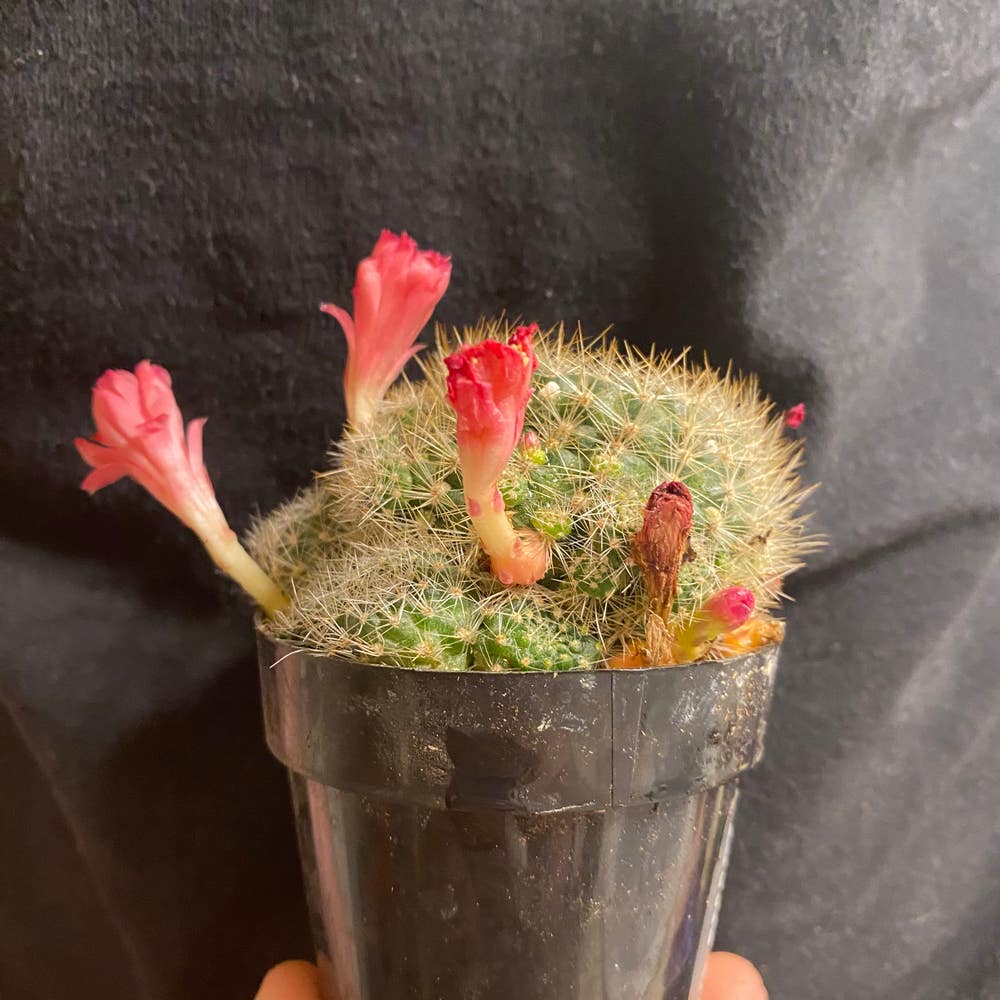
🌵 Why Are There Brown Spots on My Rebutia minuscula Leaves?
Rebutia minuscula
By the Greg Editorial Team
Mar 06, 2024•3 min read
This article was created with the help of AI so we can cover more plants for you. May contain errors. See one? Report it here.
Banish brown spots 🍂 on your Rebutia minuscula with this essential care guide.
- Sunburn and overwatering cause brown spots; look for crispy or mushy textures.
- 🍄 Yellow rings suggest fungus; use precision with fungicides.
- 🌵 Prevent spots with indirect light, well-draining soil, and deep, infrequent watering.
Spotting the Trouble: Identifying Brown Spots on Your Cactus
🌵 Visual Symptoms of Brown Spots
Brown spots on Rebutia minuscula can manifest in various forms. Initially, they may present as tiny speckles, but can grow into larger, more ominous splotches. The texture of these spots is telling; dry and crispy spots often suggest sunburn, while a softer, mushier feel might indicate overwatering or fungal issues. A yellowish ring around a spot is a red flag for potential fungal infection.
🌵 Common Mistakes in Cactus Care Leading to Brown Spots
Caring for a Rebutia minuscula is a delicate dance of light and water. Too much sun can lead to pale brown marks, a classic sign of sunburn. Conversely, overwatering is a common misstep that can cause brown spots to form, as can poor drainage. It's crucial to strike the right balance to avoid these pitfalls.
The Usual Suspects: Common Causes of Brown Spots
☀️ Too Much Sun, Too Little Shade
Rebutia minuscula, like a pale-skinned beachgoer, can get sunburned. Brown spots from sunburn are the plant's version of a peeling sunburn, appearing on the areas most exposed to light. They're dry, crispy, and sadly, irreversible.
🍄 Fungal Foes: When Microbes Attack
Fungi are the party crashers in the world of cacti, leaving behind brown spots as their calling card. These spots often come with a yellow halo or concentric rings, signaling an unwelcome fungal invasion.
💦 Water Woes: The Perils of Overwatering
Overwatering is like giving your cactus an unwanted bath. It leads to soft, dark brown spots, typically on the underside of leaves. It's a clear sign that your watering can needs a break and your cactus needs a chance to dry out.
First Aid for Your Cactus: Treating Brown Spots
🌞 Adjusting the Sunbathing Schedule
Sunburn is a common cause of brown spots on Rebutia minuscula. If your cactus has been sunbathing a bit too much, it's time for some shade. Move it to an area with filtered light to prevent further damage. This will allow the affected areas to heal without additional stress from the sun.
🦠 Battling the Fungus Among Us
Fungal infections can also lead to brown spots. When using fungicides, precision is key. Apply the treatment sparingly and follow the label instructions meticulously. Overuse can harm your cactus, so treat it as a targeted strike against the unwanted fungi.
🚰 Fine-Tuning Your Watering Technique
Overwatering can cause brown spots due to root rot or fungal growth. To correct this, let the soil dry out completely before watering again. Check the top inch of soil; if it's dry, water your cactus. If it's damp, hold off. During winter, reduce watering frequency as your cactus enters a dormant phase. Remember, a well-draining pot is essential to prevent water from pooling around the roots.
Keeping Spots at Bay: Prevention Strategies
🌞 Mastering the Art of Light Management
Bright, indirect light is the sweet spot for your Rebutia minuscula. Position it to soak up the gentle morning sun while avoiding the harsh afternoon rays. Use shade cloths or strategic placement to protect it during peak sunlight hours.
Soil and Water Mastery
The right soil mix is crucial – think well-draining and airy. When watering, wait until the soil is completely dry. Then, water thoroughly but infrequently, allowing the plant to drink deeply without becoming waterlogged. Remember, a parched cactus is better than a drowned one.
⚠️ Safety First
This content is for general information and may contain errors, omissions, or outdated details. It is not medical, veterinary advice, or an endorsement of therapeutic claims.
Always consult a qualified healthcare professional before using any plant as food, medicine, or supplement.
Never eat any plant (or feed one to pets) without confirming its identity with at least two trusted sources.
If you suspect poisoning, call Poison Control (800) 222-1222, the Pet Poison Helpline (800) 213-6680, or your local emergency service immediately.
Spotted an error? Please report it here.
Avoid the brown and aim for healthy green 🌵 with Greg's tailored care plan, ensuring your Rebutia minuscula gets just the right amount of water and sun.