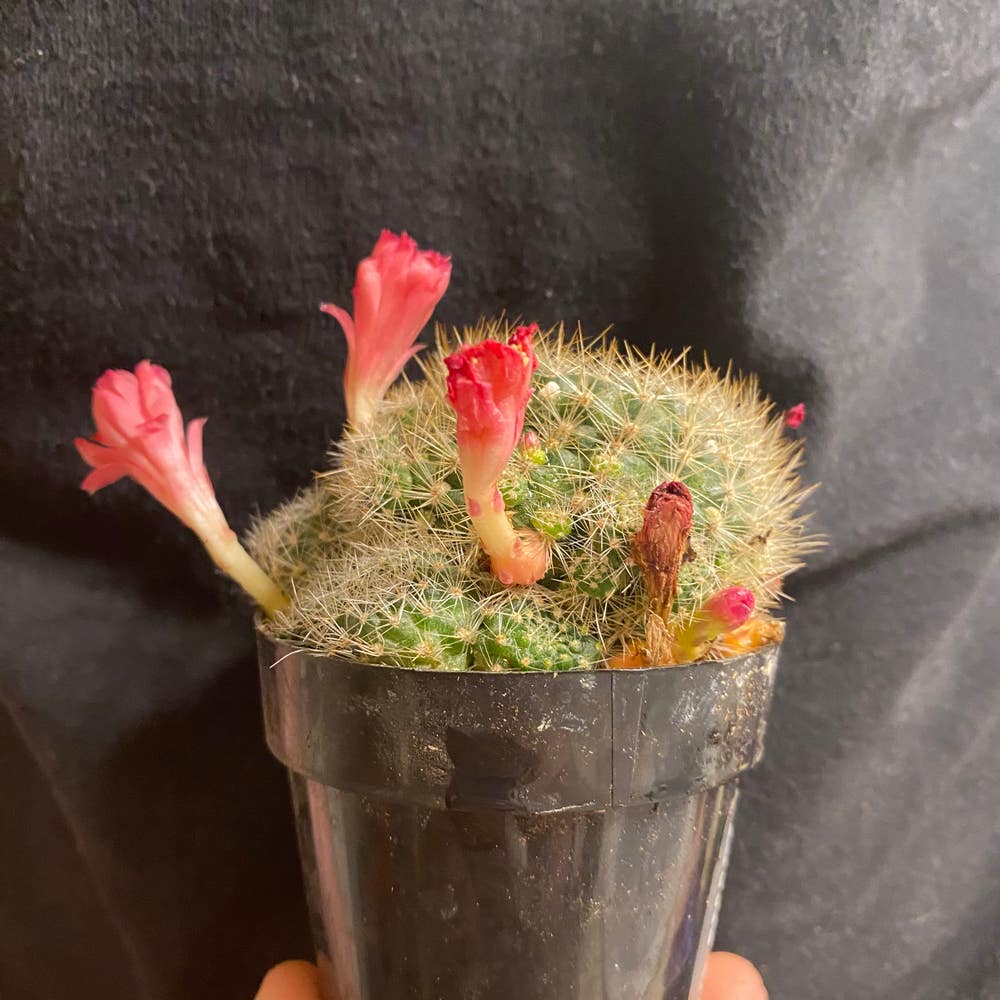
🌵 Rebutia Minor: A Comprehensive Overview
Rebutia minuscula
By the Greg Editorial Team
Feb 18, 2025•12 min read
This article was created with the help of AI so we can cover more plants for you. May contain errors. See one? Report it here.
Elevate your space effortlessly with Rebutia Minor, a stunning cactus that thrives with minimal care! 🌵✨
- 🌞 Rebutia Minor thrives in bright, indirect sunlight for 6-8 hours daily.
- 💧 Water only when soil is dry; avoid root rot by ensuring proper drainage.
- 🌱 Low maintenance and non-toxic, perfect for beginners and pet owners alike!
How to Grow
🌞 Choosing a Location
To thrive, Rebutia Minor needs bright, indirect sunlight for about 6-8 hours daily. Aim for a temperature range of 20°C to 30°C (68°F to 86°F) during the day, with cooler conditions at night to mimic its natural habitat.
🌱 Soil Preparation
For optimal growth, use a well-draining cactus mix or create your own blend with potting soil, sand, and perlite. The soil pH should be slightly acidic to neutral, ideally between 6.0 and 7.0.
🌿 Planting Techniques
When planting young Rebutia Minor, choose a container that is 4-6 inches in diameter. Ensure that the top of the root ball is level with the soil surface to promote healthy growth.
💧 Watering Requirements
Watering should be done carefully; allow the soil to dry out completely between waterings. During the growing season in spring and summer, increase the frequency to keep the plant hydrated.
🌼 Fertilizing Schedule
Use a diluted cactus fertilizer during the growing season to provide essential nutrients. Fertilize every 4-6 weeks for the best results.
✂️ Pruning Methods
Pruning is minimal for Rebutia Minor; simply remove any dead or damaged parts as needed. Use clean, sharp scissors or pruning shears to prevent any potential infections.
🔧 Ongoing Care
Ensure your container has proper drainage to avoid waterlogging, which can harm the plant. If growing outdoors, protect your Rebutia Minor from frost and extreme weather conditions to keep it healthy and vibrant.
With these care tips, your Rebutia Minor will flourish, bringing beauty and resilience to your space. Next, let’s explore how to propagate this stunning cactus!
Propagation
🌱 Seed Propagation (difficulty: moderate)
Propagation through seeds is a rewarding process. Start by collecting seeds from mature flowers after pollination.
Next, sow the seeds in a well-draining soil mix. It's crucial to maintain humidity and warmth during this stage, as germination typically takes 2-3 weeks.
✂️ Offsets and Cuttings (difficulty: easy)
Offsets, or pups, are another easy way to propagate Rebutia Minor. Look for these small plants around the base of the main plant.
Gently remove the offsets using a clean knife. After that, allow the cuttings to dry for a few days before planting them in soil to encourage healthy root development.
With these propagation methods, you can expand your Rebutia Minor collection effortlessly. Whether you choose seeds or offsets, both techniques offer a fun and engaging way to grow your plant family.
Next, let’s explore the lifecycle of Rebutia Minor and understand its growth stages.
Lifecycle
Germination and Seedling Stage 🌱
Germination of Rebutia Minor seeds typically takes 2-3 weeks under optimal conditions. During this stage, it's crucial to provide bright light and minimal water to encourage healthy growth.
Vegetative Growth 🌿
The vegetative growth period occurs in spring and summer, marked by active development. This is when your plant will thrive, so ensure it receives adequate care and attention.
Flowering and Seed Production 🌸
Rebutia Minor usually flowers from spring to early summer. After successful pollination, the plant will produce seeds, contributing to its lifecycle and potential propagation.
Lifespan and Growth Rate ⏳
Rebutia Minor reaches full maturity within 2-3 years, showcasing a moderate growth rate. Expect an annual increase of 1-2 inches in diameter, making it a rewarding addition to your collection.
As you nurture your Rebutia Minor through its lifecycle, you'll witness its transformation and beauty, paving the way for the next section on size.
Size
Mature Height and Spread 🌱
Rebutia Minor typically reaches a mature height of 2-4 inches and a diameter of 3-6 inches. This compact size makes it an ideal choice for small spaces or as part of a larger succulent collection.
Growth Habits and Rate 🌿
The growth habit of Rebutia Minor is globular, giving it a charming, rounded appearance. Its growth rate is moderate, largely influenced by the care it receives, such as light and watering conditions.
Size Variability Based on Conditions 📏
Several factors can affect the size of Rebutia Minor. Light exposure, watering frequency, and soil quality all play crucial roles in determining how large your plant will grow.
Understanding these variables can help you optimize your plant's environment, ensuring it thrives and reaches its full potential.
As you consider the size of your Rebutia Minor, remember that proper care can lead to impressive growth, enhancing your indoor or outdoor space beautifully.
Roots
🌱 Root System Characteristics
Rebutia Minor features a fibrous root system, which is designed for quick absorption of moisture. This adaptation is crucial for thriving in arid environments.
📏 Depth and Spread
The roots of Rebutia Minor are generally shallow but spread outwards for stability. This structure allows the plant to anchor itself while efficiently gathering water from the soil.
⚠️ Common Root-Related Issues
One of the most common issues faced by Rebutia Minor is root rot, typically caused by overwatering. To prevent this, ensure proper drainage in the pot and avoid letting the plant sit in water.
🔍 Identifying Healthy vs. Unhealthy Roots
Healthy roots are firm, white, and well-formed, indicating a thriving plant. In contrast, unhealthy roots appear dark, mushy, or slimy, signaling potential problems that need addressing.
🌿 Recognizing Rootbound Plants
Signs of a rootbound plant include roots growing out of drainage holes or circling the pot. If you notice these symptoms, it's time to repot your Rebutia Minor into a larger container with fresh soil to encourage healthy growth.
Understanding the root system of Rebutia Minor is essential for its care. With the right attention, you can ensure your plant remains healthy and vibrant. Next, we’ll explore the benefits of growing this resilient cactus.
Benefits
🌼 Top 5 Benefits of Growing Rebutia Minor
1. Aesthetic Appeal
Rebutia Minor boasts vibrant flowers that can brighten up any indoor or outdoor space. Their unique appearance adds a splash of color and charm, making them a delightful addition to your plant collection.
2. Low Maintenance
This cactus is a dream for busy plant lovers. With minimal care requirements, it’s perfect for beginners or anyone looking to enjoy greenery without the hassle.
3. Air Purification
Not only do these plants look good, but they also contribute to improved indoor air quality. By absorbing toxins and releasing oxygen, Rebutia Minor helps create a healthier living environment.
4. Drought Tolerance
Rebutia Minor thrives in dry conditions, making it an excellent choice for those who may forget to water regularly. Its ability to conserve water is a significant advantage in today’s eco-conscious world.
5. Symbolism
This cactus represents resilience and beauty, thriving in harsh environments. Growing Rebutia Minor can serve as a reminder of strength and adaptability in your own life.
These benefits make Rebutia Minor not just a plant, but a meaningful addition to your home. Whether you're drawn to its beauty or its low-maintenance nature, this cactus is sure to impress.
As we explore further, let’s dive into the fascinating world of companion plants that can enhance your Rebutia Minor experience.
Companion Plants
🌱 Concept of Companion Planting
Companion planting is all about creating a harmonious garden environment. By pairing plants that support each other's growth, you enhance garden diversity, improve pest management, and boost overall plant health.
🌼 Best Companion Plants
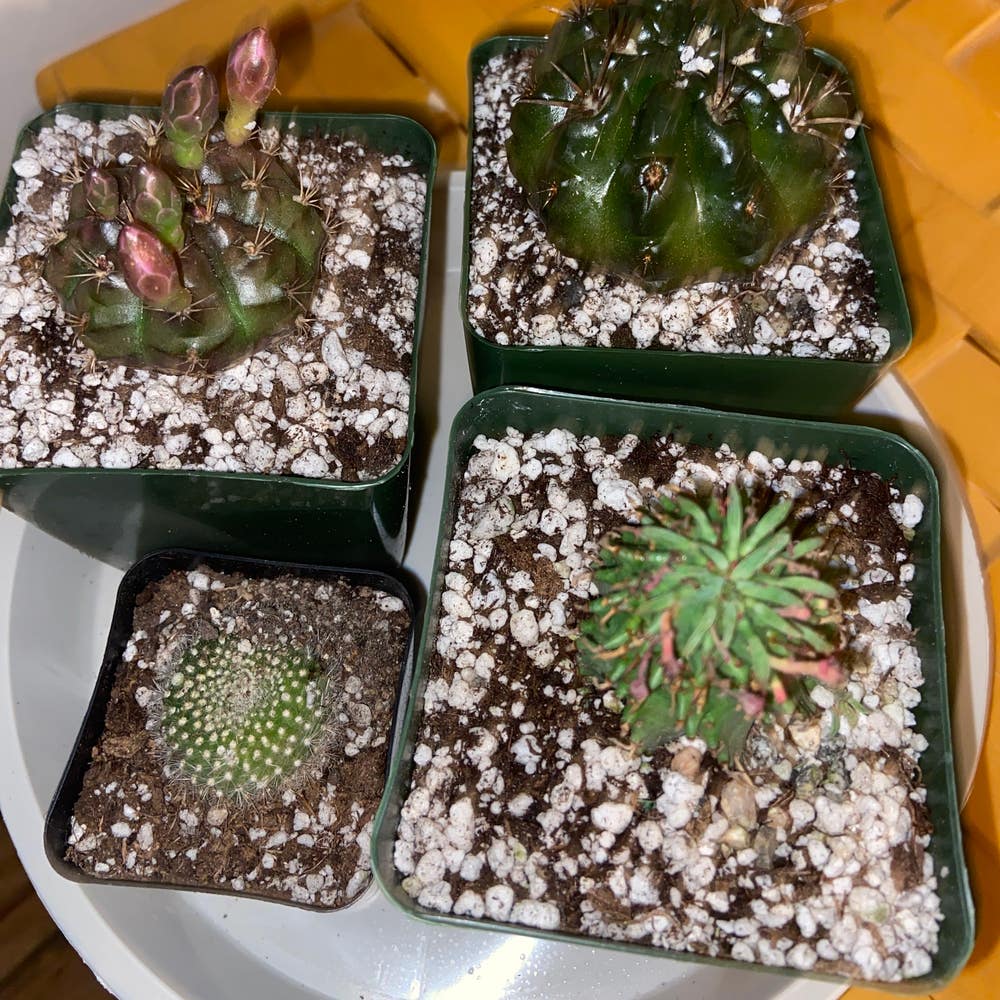
When it comes to Rebutia Minor, other cacti and succulents make excellent companions. These plants share similar light and water requirements, ensuring they thrive together without competing for resources.
🚫 Plants to Avoid
On the flip side, steer clear of plants that need high moisture or shade. These companions can lead to root rot, which is detrimental to your Rebutia Minor's health and growth.
By choosing the right companions, you can create a flourishing garden that showcases the beauty of your Rebutia Minor while ensuring its well-being. Next, let’s explore the potential toxicity of this charming cactus to humans and pets.
Toxicity to Humans
Rebutia Minor is a safe choice for plant lovers, as it is not listed as toxic to humans by major poison control centers. You can handle and even ingest small amounts without worry, making it a great addition to your home.
However, it's wise to be cautious. While serious issues are rare, some individuals may experience mild skin irritation or digestive discomfort if they consume large quantities. Always exercise caution and consult a medical professional if you notice any unusual symptoms after contact or consumption.
In summary, Rebutia Minor is a low-risk plant that can brighten your space without posing significant health threats. Enjoy its beauty while keeping an eye on your own well-being!
Toxicity to Dogs
Rebutia Minor is not considered toxic to dogs, according to major pet poison control centers. This means you can enjoy this beautiful cactus without worrying about your furry friends getting sick.
While it's generally safe, there are a few things to keep in mind. Mild gastrointestinal upset can occur if a dog consumes too much of the plant.
🐶 Monitoring Your Dog
It's always a good idea to keep an eye on your dog's behavior around plants. If you notice any unusual symptoms, such as vomiting or lethargy, consult your veterinarian for advice.
🏡 Plant Placement Tips
To ensure safety, consider placing your Rebutia Minor out of reach. This simple step can help prevent any accidental munching while still allowing you to enjoy the beauty of your cactus.
In summary, Rebutia Minor is a safe choice for dog owners. With a little caution and awareness, you can cultivate this stunning plant without compromising your pet's health.
Next, let’s explore how to keep your Rebutia Minor thriving with proper care and attention.
Toxicity to Cats
Rebutia Minor is not listed as toxic to cats by major pet poison control centers. This means you can enjoy this beautiful cactus without worrying about your feline friends.
🛡️ General Safety
Overall, Rebutia Minor is considered safe around cats, posing minimal risk of health issues. However, it's always wise to keep an eye on your pets.
⚠️ Possible Minor Issues
While generally safe, there could be mild gastrointestinal upset if a cat consumes excessive amounts of the plant. It's a good idea to monitor their behavior after they've been around the cactus.
🐾 Tips for Cat Owners
To ensure your cat stays safe, consider placing the plant out of reach. This simple precaution can prevent any potential mishaps and keep your furry companion happy and healthy.
With these insights, you can confidently cultivate Rebutia Minor in your home, knowing it's a safe choice for your cats. Now, let’s explore the potential problems you might encounter while growing this resilient plant.
Problems
Common Problems Faced 🌱
Incorrect Watering
One of the most common issues with Rebutia Minor is incorrect watering. Symptoms like yellowing or wilting leaves signal that it's time to adjust your watering frequency based on soil moisture.
Incorrect Light Conditions
Another frequent problem arises from inadequate light. If you notice etiolated growth or faded colors, it’s a clear sign that your plant needs more bright light.
Incorrect Temperature
Temperature fluctuations can also affect your cactus's health. Stunted growth or leaf drop indicates that the temperature is outside the optimal range, so be sure to maintain a consistent environment.
Diseases
Diseases like powdery mildew and root rot can plague your Rebutia Minor if not monitored. To combat these issues, improve air circulation and avoid overwatering to keep your plant healthy.
Leaf Issues
Leaf problems can manifest as scorching or fuzzy growth. Adjusting light exposure and humidity levels can help resolve these issues and promote vibrant foliage.
By staying vigilant about these common problems, you can ensure your Rebutia Minor thrives. Next, let’s explore potential pest issues that could affect your plant's health.
Bugs
Potential Pest Issues 🐜
While Rebutia Minor is generally pest-resistant, it can still fall prey to a few common pests. Keeping an eye out for these invaders is essential for maintaining the health of your plant.
Identification and Damage Caused by Pests 🔍
Spider Mites
Spider mites can be tricky to spot at first. Look for fine webbing and stippled leaves, which indicate their presence.
- Treatment: Increase humidity around the plant and consider using miticides to eliminate these pests effectively.
Mealybugs
Mealybugs are another nuisance that can affect your Rebutia Minor. They appear as cotton-like masses on the stems and leaves.
- Treatment: You can remove them by hand or apply insecticidal soap for a more thorough approach.
Scale Insects
Scale insects can be identified by their hard, shell-like bumps on the plant. These pests can weaken your Rebutia if left untreated.
- Treatment: Simply scrape them off and apply horticultural oil to prevent further infestations.
By staying vigilant and addressing these pest issues promptly, you can ensure your Rebutia Minor remains healthy and vibrant. Next, let’s explore what animals might pose a threat to your beloved plant.
What Eats
🐾 Common Animals That May Damage
Rebutia Minor can face threats from various animals. Deer, rabbits, squirrels, and rodents are known to nibble on these charming cacti, potentially causing damage to their delicate structure.
🔍 Signs of Animal Presence
Identifying animal activity around your Rebutia Minor is crucial for timely intervention. Look for signs such as chewed leaves, droppings, or tracks near the plant, which indicate that your cactus has attracted some unwanted attention.
🚫 Damage Caused and Deterrent Methods
The damage caused by these herbivores can range from minor leaf loss to significant harm to the plant's overall health. To protect your Rebutia Minor, consider implementing deterrent methods like fencing, using repellents, or practicing companion planting with less appealing plants to keep these critters at bay.
By staying vigilant and proactive, you can ensure your Rebutia Minor thrives despite the challenges posed by hungry animals.
⚠️ Safety First
This content is for general information and may contain errors, omissions, or outdated details. It is not medical, veterinary advice, or an endorsement of therapeutic claims.
Always consult a qualified healthcare professional before using any plant as food, medicine, or supplement.
Never eat any plant (or feed one to pets) without confirming its identity with at least two trusted sources.
If you suspect poisoning, call Poison Control (800) 222-1222, the Pet Poison Helpline (800) 213-6680, or your local emergency service immediately.
Spotted an error? Please report it here.
Cultivate a thriving Rebutia Minor 🌵 with Greg's personalized watering reminders and expert tips, ensuring your cactus not only beautifies your space but also improves air quality effortlessly!