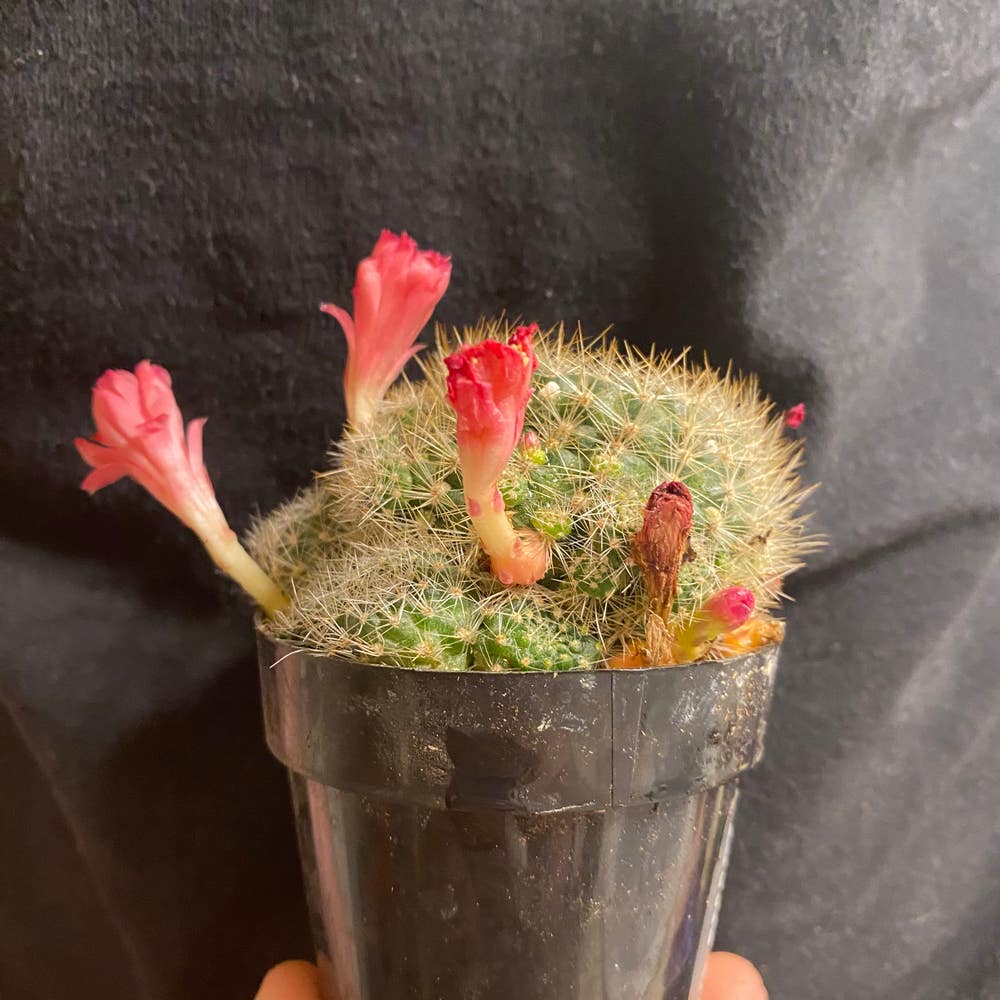
🌞 Your Rebutia minuscula's Light Needs
Rebutia minuscula
By the Greg Editorial Team
Mar 06, 2024•5 min read
This article was created with the help of AI so we can cover more plants for you. May contain errors. See one? Report it here.
Transform your Rebutia minuscula into a blooming marvel by mastering its light needs, indoors and out. 🌵✨
- 🌞 South and west-facing windows are best for Rebutia minuscula.
- 💡 Rotate weekly and consider grow lights for even growth and flowering.
- 🌱 Seasonal light changes matter for health and blooming cycles.
Soaking Up the Sun Indoors
🌵 Best Spots for Your Rebutia minuscula
South and west-facing windows are your Rebutia minuscula's best friends, offering that full-spectrum sunshine it craves. Think of these spots as the VIP lounge for your cactus, where the rays are plentiful and the vibes are just right. But if your place is more dungeon than sunroom, east-facing windows can pinch-hit with a morning glow. Just dodge those north-facing windows; they're the equivalent of putting your cactus on a light diet – not cool.
Avoiding the dark side means steering clear of those nooks and crannies where the sun is a stranger. Your cactus won't thank you for a spot in the shadows. Remember, bright light is non-negotiable for these spiky buddies.
🔄 Keeping It Even
Rotate your Rebutia minuscula like it's on a lazy Susan. A quarter turn with each watering keeps its growth even and prevents it from leaning into a botanical version of the Leaning Tower of Pisa. Weekly rotations are a good rhythm to march to.
Tech to the rescue with light meters and apps that play personal trainer for your plant's light diet. They'll tell you if your cactus is basking in the sweet spot or if it's time to shuffle it to a better locale. Use them to avoid the heartbreak of a sunburned cactus – nobody wants to see their plant with a crispy tan.
Basking Outdoors: Finding the Perfect Spot
⛅️ Partial Shade for the Win
Patios, balconies, and gardens are your Rebutia minuscula's best friends when it comes to outdoor placement. These spots offer a mix of sunlight and shade, crucial for your cactus's well-being. Aim for locations that provide morning sunlight and protect your plant from the harsher afternoon rays.
When the sun plays hardball in the afternoon, seek out shade. This could mean positioning your cactus under a tree or behind a sheer curtain. It's about finding that sweet spot where your cactus can soak up the sun without getting a sunburn.
🌿 Transitioning to the Great Outdoors
Acclimating your cactus to outdoor light is like prepping for a marathon—start slow. Begin with a shady spot and gradually introduce more light to avoid shocking your spiky companion.
Seasonal changes are big deals in the cactus world. In summer, your Rebutia minuscula will need more shade to deal with the intense sun. Conversely, during winter, let it bask in the available light without much worry for shade. This seasonal dance ensures your cactus gets the right amount of light year-round.
Let There Be Blooms: Light's Role in Flowering
💡 Triggering the Flower Power
Light duration and intensity are critical for coaxing Rebutia minuscula into bloom. These cacti need a proper balance of daylight and darkness to initiate their flowering cycle.
Seasonal light changes significantly impact the blooming process. As days lengthen in spring and summer, your Rebutia minuscula gets the cue to start producing flowers. Conversely, shorter days in autumn and winter signal a rest period.
💡 Understanding Seasonal Light Changes
Adjust your cactus's exposure to light with the changing seasons. This helps maintain its natural rhythm and encourages the emergence of those coveted blooms.
If your Rebutia minuscula is stubborn about blooming, it's time to reassess its light conditions. Leggy growth or a lack of flowers often signals that your plant is light-starved. Regular rotation can ensure even light distribution, preventing one-sided growth.
💡 Light Quality and Intensity
The quality of light is just as important as the quantity. Bright, indirect sunlight is the sweet spot for these plants, especially during their key blooming periods.
To mimic natural conditions indoors, consider using grow lights. Adjust the intensity and duration to simulate the long, sunny days of summer, which are prime time for flowering.
Grow Lights: The Indoor Sun Substitute
💡 Choosing Your Glow
Grow lights are the indoor champions for your Rebutia minuscula when sunlight is playing hard to get. LEDs are the cool kids on the block, offering full-spectrum light without turning your space into a sauna. Fluorescent lights are the old faithful, less expensive and still effective, especially for smaller setups. When shopping, think about the light's spectrum, intensity, and the heat it emits – you're not looking to cook your cactus.
💡 Watt's up: Understanding Light Intensity and Coverage
Wattage isn't just a number on a box; it's about how much oomph your grow light packs. More watts typically mean more coverage, but it's a balancing act. Too much and you're wasting energy, too little and your cactus is left wanting. Remember, it's not just about power, but also how that power is used.
💡 Timing is Everything
Your Rebutia minuscula doesn't need a 24/7 light party. Aim for 12-14 hours of light a day to mimic the sun's rhythm. Use a timer to automate the process because, let's face it, you've got better things to do than play switch operator. Getting this right means your cactus gets the rest it needs without you losing sleep over it.
💡 Mimicking Natural Light Cycles
Just like us, plants appreciate a good day-night cycle. It's not just about duration, but also the quality of light. Full-spectrum LEDs can give your cactus the variety it craves, simulating a natural environment. This encourages healthy growth and, with any luck, those coveted blooms.
⚠️ Safety First
This content is for general information and may contain errors, omissions, or outdated details. It is not medical, veterinary advice, or an endorsement of therapeutic claims.
Always consult a qualified healthcare professional before using any plant as food, medicine, or supplement.
Never eat any plant (or feed one to pets) without confirming its identity with at least two trusted sources.
If you suspect poisoning, call Poison Control (800) 222-1222, the Pet Poison Helpline (800) 213-6680, or your local emergency service immediately.
Spotted an error? Please report it here.
Let Greg's PlantVision scan and optimize 🌞 your Rebutia minuscula's light needs, ensuring it gets just the right rays for lush growth and vibrant blooms.