7 Plants That Thrive Alongside Red Crown Cactus 🌵
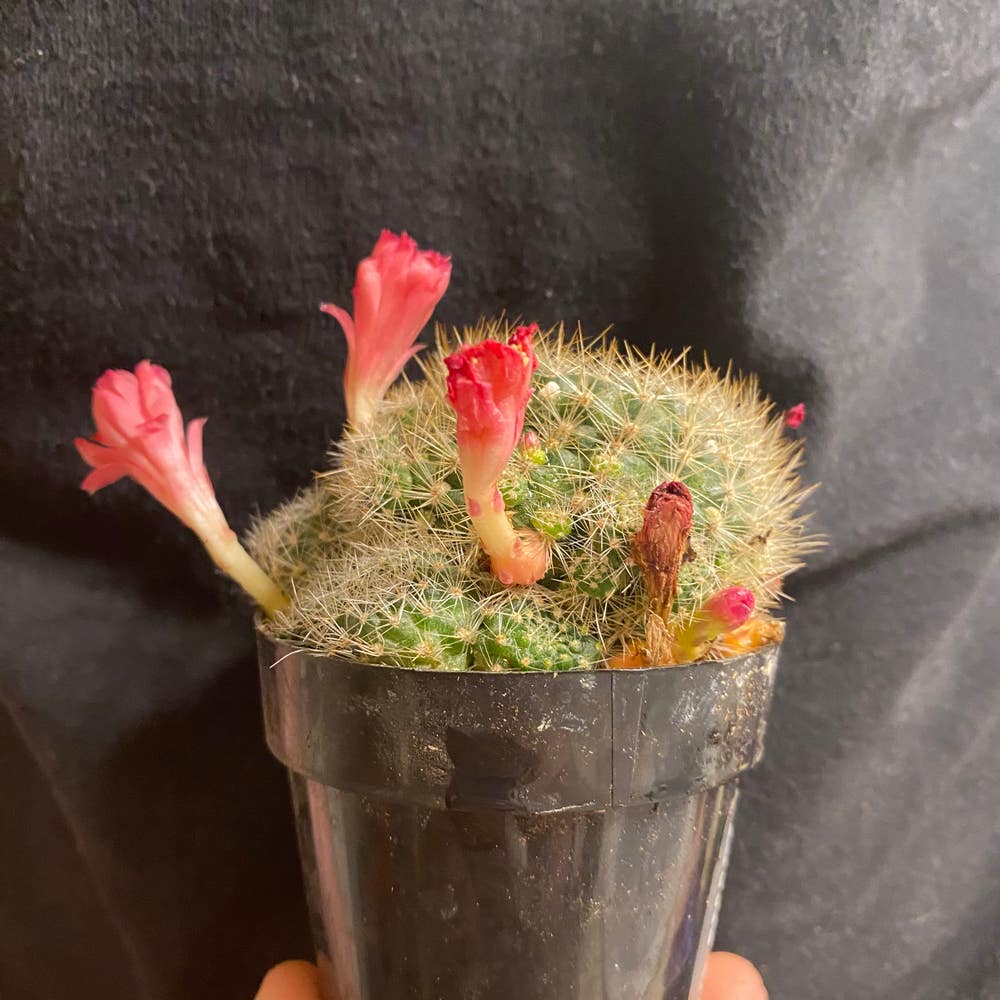
Rebutia minuscula
By the Greg Editorial Team
Sep 30, 2024•5 min read
This article was created with the help of AI so we can cover more plants for you. May contain errors. See one? Report it here.
Elevate your garden's beauty 🌼 and health by pairing Red Crown Cactus with ideal companion plants for a thriving oasis! 🌵
- 🌵 Agave and Echinopsis thrive alongside Red Crown Cactus, sharing care needs and aesthetics.
- 🐝 Lavender and Desert Marigold attract beneficial insects, enhancing biodiversity and repelling pests.
- 🌈 Color coordination and varying heights create a vibrant, visually appealing garden with the cactus.
Best Companion Plants for Red Crown Cactus
🌵 Plant 1: Agave
Agave is a drought-tolerant plant that thrives in similar soil and sunlight conditions as the Red Crown Cactus. Its structural contrast adds visual interest while attracting pollinators to your garden.
🌼 Plant 2: Desert Marigold
This native desert plant loves full sun and is a fantastic companion. Not only does it repel pests, but it also attracts beneficial insects, making it a win-win for your garden ecosystem.
🌸 Plant 3: Echinopsis
Echinopsis shares care requirements with the Red Crown Cactus and boasts vibrant flowers. This plant enhances visual appeal and supports pollinator attraction, creating a lively garden atmosphere.
💜 Plant 4: Lavender
Lavender is a drought-tolerant herb known for its aromatic qualities. It repels pests and attracts pollinators, while its soft hues beautifully complement the striking colors of the cactus.
🌿 Plant 5: Sedum
As a low-growing succulent, Sedum thrives in similar conditions to the Red Crown Cactus. It serves as excellent ground cover, preventing soil erosion and retaining moisture, which is crucial in arid environments.
🌾 Plant 6: Yucca
Yucca is another drought-tolerant option with striking foliage. It provides height and texture, sharing care needs with the cactus, making it an ideal companion.
🌺 Plant 7: Red Yucca
Native to arid regions, Red Yucca features vibrant flowers that attract hummingbirds. This plant not only complements the Red Crown Cactus visually but also enhances the overall biodiversity of your garden.
These companion plants not only thrive alongside the Red Crown Cactus but also contribute to a vibrant and healthy garden ecosystem. Next, we’ll explore which plants to avoid to ensure your cactus remains healthy and happy.
Plants to Avoid Near Red Crown Cactus
🚫 Incompatible Plants
When planning your garden, it's crucial to steer clear of plants that have high moisture needs. Ferns and certain herbs can be particularly problematic, as they thrive in conditions that can drown your Red Crown Cactus.
Fast-growing plants also pose a risk. They can overshadow your cactus, competing for sunlight and nutrients, which can stunt its growth.
⚠️ Reasons for Incompatibility
Overwatering is a significant concern for Red Crown Cactus. This plant is sensitive to excess moisture, and pairing it with water-loving companions can lead to root rot.
Additionally, some plants attract pests that can harm your cactus. It's best to avoid companions that might draw in unwanted visitors, ensuring your cactus remains healthy and thriving.
By being mindful of your plant choices, you can create a harmonious garden that allows your Red Crown Cactus to shine. Next, let’s explore effective pest management strategies that can help protect your cactus from common threats.
Pest Management Strategies
🌱 Companion Plants in Pest Management
Companion plants can be your best allies in keeping pests at bay. Many of these plants naturally repel unwanted visitors through their scent or chemical properties, creating a protective barrier around your Red Crown Cactus.
Additionally, certain companions attract beneficial insects that prey on common pests. This creates a balanced ecosystem in your garden, reducing the need for chemical interventions.
🐞 Specific Pests
Common pests that may target your cactus include mealybugs, aphids, and spider mites. Understanding how companion plants can mitigate these threats is crucial for maintaining a healthy garden.
For instance, plants like lavender and desert marigold not only enhance your garden's beauty but also deter these pests. By incorporating these companions, you can create a thriving environment for your Red Crown Cactus while keeping harmful insects at bay.
With the right companion plants, you can enjoy a vibrant garden that flourishes without the worry of pest infestations. This proactive approach not only protects your cactus but also enriches the overall biodiversity of your garden.
As you consider your garden design, think about how these pest management strategies can work hand-in-hand with your plant choices. Transitioning to the next section, let’s explore how to visually enhance your garden with the Red Crown Cactus and its companions.
Visual Appeal and Garden Design
Designing a Garden with Red Crown Cactus 🌵
Creating a stunning garden with Red Crown Cactus starts with thoughtful color coordination. Choose companion plants that enhance the vibrant red flowers, like the sunny yellow of Desert Marigold or the soft purple of Lavender.
Height variation is also key to adding depth and interest. Mix taller plants like Yucca with lower-growing succulents such as Sedum to create a dynamic visual landscape.
Tips for Plant Arrangement 🌼
Grouping plants with similar care needs simplifies maintenance. This approach ensures that all your plants thrive without the hassle of differing watering or sunlight requirements.
To make a striking focal point, position the Red Crown Cactus at the center, surrounded by its complementary companions. This arrangement not only highlights the cactus but also creates a cohesive and inviting garden space.
With these design strategies, your garden can become a vibrant oasis that showcases the beauty of the Red Crown Cactus alongside its perfect companions.
⚠️ Safety First
This content is for general information and may contain errors, omissions, or outdated details. It is not medical, veterinary advice, or an endorsement of therapeutic claims.
Always consult a qualified healthcare professional before using any plant as food, medicine, or supplement.
Never eat any plant (or feed one to pets) without confirming its identity with at least two trusted sources.
If you suspect poisoning, call Poison Control (800) 222-1222, the Pet Poison Helpline (800) 213-6680, or your local emergency service immediately.
Spotted an error? Please report it here.
Transform your garden into a vibrant oasis 🌵 by pairing your Red Crown Cactus with the perfect companions, and let Greg guide you with tailored care tips to ensure they all thrive together!