🌵 Why Is My Rebutia minuscula Not Doing Well?
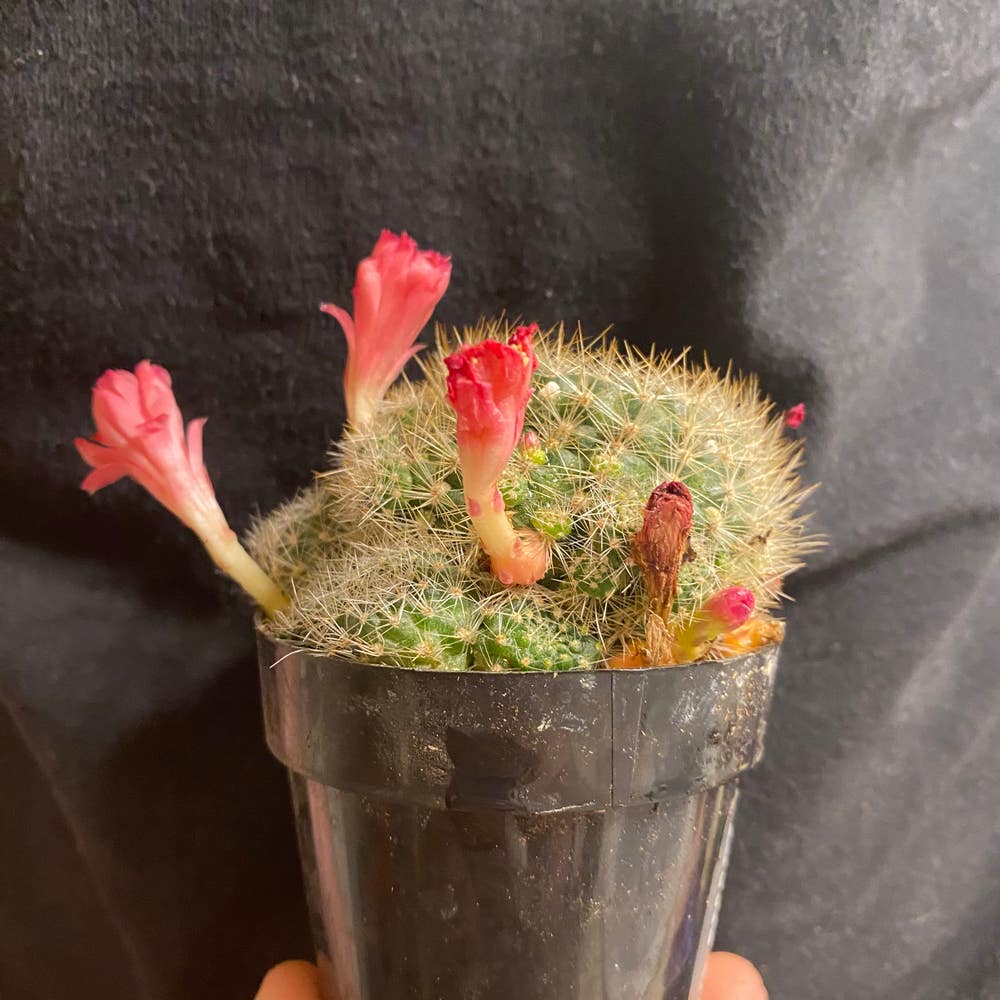
Rebutia minuscula
By the Greg Editorial Team
Mar 06, 2024•5 min read
This article was created with the help of AI so we can cover more plants for you. May contain errors. See one? Report it here.
Nurture your Rebutia minuscula back to vibrant health with these life-saving care secrets! 🌵✨
- Yellow leaves or crispy tips? Check watering habits and soil moisture.
- 🌞🌡️ Too much sun or little light? Adjust plant's position for ideal exposure.
- 🐛🍄 Pests and fungus issues? Regular inspection and cleaning are key.
When Water Works Against You
💧 Spotting the Signs of Water Woes
Yellowing leaves might scream "thirsty," but they can also whisper "drowning." If your Rebutia minuscula's soil smells like a locker room, it's overwatered. Conversely, a cactus that's shriveling into a raisin shape is crying out for a drink. Crispy tips and a wilted stance are your plant's way of saying it's parched.
💦 Fine-Tuning Your Watering Technique
To hit the watering sweet spot, check the top inch of soil; if it's dry, it's time to water. But if it's damp, step away from the watering can. Consistency is your new best friend. Adjust your routine with the seasons—less in the cool winter, more in the sunny summer. And remember, it's better to under-water than to overdo it; you can always add more, but you can't take it back.
Light and Temperature Tango
🍃 Reading the Leaves for Light and Heat Stress
Sunburn or discoloration on your Rebutia minuscula's skin is a clear distress signal; it's had too much direct sunlight. On the flip side, if your cactus is stretching out, it's reaching for more light. These are the plant's non-verbal ways of telling you it's not happy with its current spot.
🌞 Setting the Stage for Perfect Sunbathing
To create the ideal light conditions, position your Rebutia minuscula in a spot where it can soak up bright, indirect light. Think of a south-facing window with a sheer curtain as a filter. Temperature stability is key, so keep your cactus away from drafts and heat sources. Aim for a consistent temperature range, ideally between 65-80°F, to avoid turning your plant into a leafy yo-yo.
Bug Battles and Fungus Fights
🐛 Unwanted Guests: Pests on Your Plant
Your Rebutia minuscula might be hosting a bug bonanza without your RSVP. Spider mites are the tiny party-crashers leaving yellowed leaves and silky strands behind. Mealybugs prefer a more fluffy disguise, excreting a sticky mess as they feast. To gatecrash their gathering, arm yourself with neem oil or insecticidal soap, and spray with precision, especially under the leaves where these pests plot their next move.
🍄 Mold and Fungus: Silent Saboteurs
Mold and fungus are the stealthy intruders in your cactus's life, often a result of too much moisture love and not enough air groove. These silent saboteurs manifest as unsightly spots or a powdery presence on your plant. To combat these fungal foes, dial back on the watering and crank up the airflow. If they're stubborn, consider a fungicide—but read the label like it's the secret to eternal youth. Remember, prevention is the best defense, so keep your cactus's environment as crisp as a fresh dollar bill.
The Perils of Root Rot
🍄 Recognizing the Rotten Truth
Root rot is the silent assassin of the Rebutia minuscula. To catch it, you'll need to play detective. Before watering, inspect the soil. If it's party time for fungi down there, you'll see roots that look like they've been through a horror flick—brown, black, or smelly. Healthy roots should resemble fresh produce, not something you'd find in a forgotten fridge corner.
💉 Salvaging Your Cactus from the Brink
If your cactus is sending out an SOS with mushy roots, it's time to channel your inner surgeon. Unpot the plant with care, shake off the excess soil, and let the roots air out. Don't give them a sunburn though; a little dry time goes a long way. Next, it's snip-snip time—remove the rot with sterilized tools. Remember, cleanliness is next to cactus godliness. After the operation, let your patient rest in a dry spot before repotting in fresh, well-draining soil. And resist the urge to water; your cactus is on a dry diet for now.
Nailing the Care Routine
🌵 Common Missteps in Cactus Care
Caring for a Rebutia minuscula can be like walking a tightrope, but with the right balance, you'll have it flourishing. Over-fertilization is a common slip-up; it can lead to nutrient burn, visible as a crusty salt residue on the soil or discolored leaves. If you spot these signs, flush the soil with water and dial back on the fertilizer. Keep those leaves clean and inspect them often; it's not just about aesthetics, but also about catching pests or diseases early on. Consistency is key, but don't be rigid; adapt your care routine to your cactus's feedback.
🛠️ The Road to Recovery
If your Rebutia minuscula is looking more 'minus' than 'cula,' it's time for a comeback. Start by reassessing the basics: light and water. These cacti crave bright light but will throw a fit if scorched by the sun. Watering should follow the Goldilocks principle – not too much, not too little. Let the soil dry out between waterings, especially in winter, to prevent root rot. If pests like mealybugs crash the party, show them the door with insecticidal soap. Remember, recovery is a marathon, not a sprint. Adjust care as needed, and with patience and attention, your cactus will start flexing those spines again in no time.
⚠️ Safety First
This content is for general information and may contain errors, omissions, or outdated details. It is not medical, veterinary advice, or an endorsement of therapeutic claims.
Always consult a qualified healthcare professional before using any plant as food, medicine, or supplement.
Never eat any plant (or feed one to pets) without confirming its identity with at least two trusted sources.
If you suspect poisoning, call Poison Control (800) 222-1222, the Pet Poison Helpline (800) 213-6680, or your local emergency service immediately.
Spotted an error? Please report it here.
Nurse your Rebutia minuscula back to health by letting Greg tailor 🌟 your plant's care routine, ensuring the right balance of light, water, and pest control for a thriving comeback!