🌵 10 Tips for How to Plant Red Crown Cactus
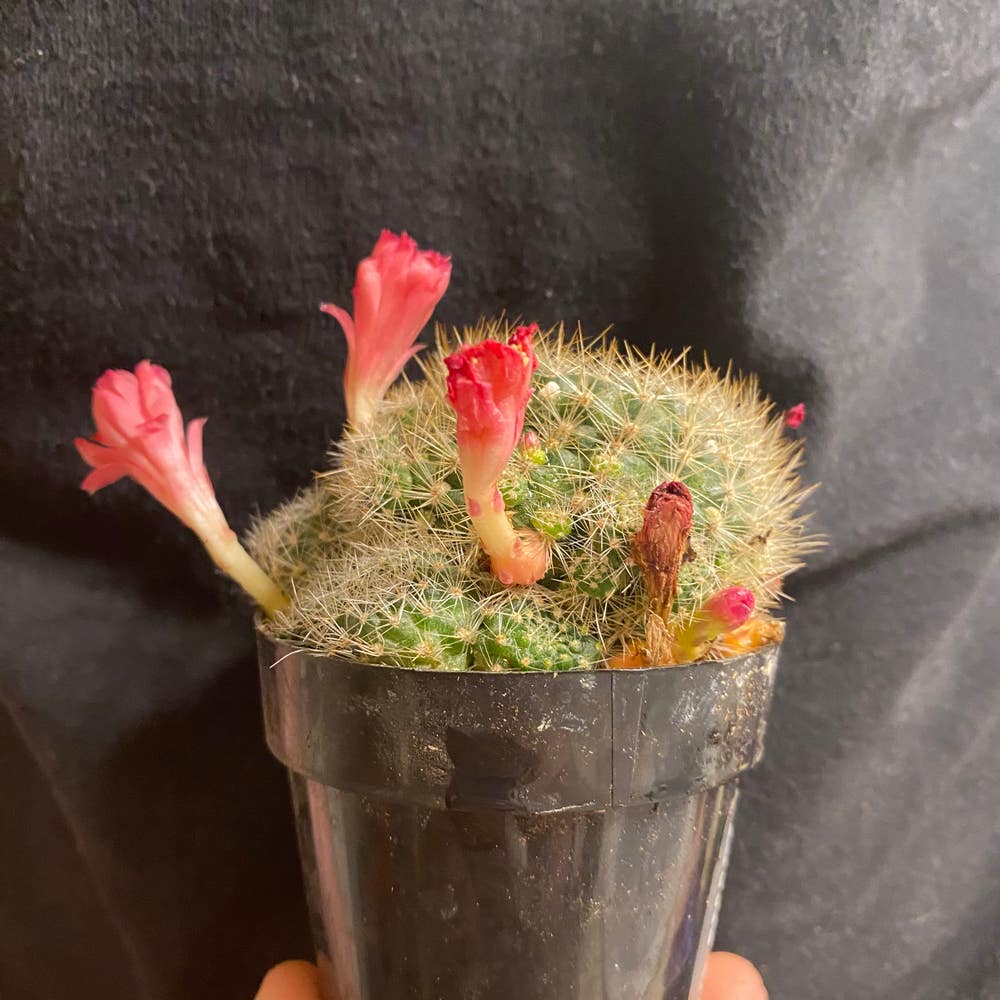
Rebutia minuscula
By the Greg Editorial Team
Sep 30, 2024•4 min read
This article was created with the help of AI so we can cover more plants for you. May contain errors. See one? Report it here.
Unlock the secret to thriving Red Crown Cacti 🌵 by mastering planting vs. transplanting techniques for vibrant blooms!
- 🌱 Understand planting vs. transplanting for healthy Red Crown Cactus growth.
- 🌞 Optimal planting time is spring or early summer for best results.
- 💧 Water sparingly and ensure well-draining soil to prevent rot.
Planting vs. Transplanting Red Crown Cactus
🧐 Key Considerations
When deciding between planting new Red Crown Cactus or transplanting established ones, proper techniques are crucial. They ensure healthy establishment and vibrant flowering, setting the stage for a thriving cactus.
Cost is another factor to weigh. Planting new cacti typically incurs a lower initial expense compared to the potential costs associated with transplanting established plants, which may require more care and resources.
Time to maturity also plays a significant role in your decision. New plants generally take longer to establish and flower than their established counterparts, so patience is key if you opt for planting.
Understanding these considerations can help you make an informed choice, whether you're starting fresh or relocating an established cactus. Next, let’s dive into the specifics of planting new Red Crown Cactus.
Planting New Red Crown Cactus
🌱 Optimal Timing for Planting
Spring or early summer is the best time to plant your Red Crown Cactus. During these months, temperatures are consistently warm, aligning perfectly with the cactus's active growth phase.
🪴 Selecting the Right Soil Mix and Containers
For optimal growth, use a well-draining cactus mix or create your own blend with potting soil, sand, and perlite. If you're container gardening, ensure your pots have drainage holes and are sized appropriately to accommodate growth.
📏 Proper Depth and Spacing for Planting
When planting, make sure the base of the cactus is level with the soil surface. Space your cacti at least 12-18 inches apart to give them room to thrive.
☀️ Maintaining Ideal Growing Conditions
Red Crown Cacti thrive in full sun, requiring 6-8 hours of exposure daily. Water sparingly, allowing the soil to dry out completely between watering sessions to prevent rot.
🌤️ Hardening Off Process Before Outdoor Planting
Gradually acclimating your cactus to outdoor conditions is crucial. Start indoors for 1-2 weeks, then increase outdoor exposure by a few hours each day to ease the transition.
By following these steps, you'll set your Red Crown Cactus up for success. Next, let’s explore how to transplant established cacti effectively.
Transplanting Established Red Crown Cactus
🌱 Optimal Timing for Transplanting
Transplanting your Red Crown Cactus is best done in spring or early summer. This timing aligns with the cactus's active growth phase, promoting better recovery.
🛠️ Step-by-Step Instructions for Transplanting
Removing the Plant from Its Current Location
- Water the cactus a day before you plan to transplant. This helps ease the removal process.
- Always wear gloves to protect your hands from those sharp spines.
- Carefully dig around the base to loosen the roots, making the plant easier to lift.
Preparing the New Planting Site
- Choose a sunny location with well-draining soil to ensure your cactus thrives.
- If the soil is too compact, amend it to improve drainage, which is crucial for cactus health.
Ensuring Proper Placement and Spacing
Center the cactus in the new hole to give it room to grow. Maintain at least 12-18 inches of space from other plants to prevent overcrowding.
💧 Tips for Watering and Mulching
After transplanting, water the cactus lightly to help it settle in. Avoid overwatering, as this can lead to root rot.
A thin layer of gravel or coarse mulch can help retain moisture without suffocating the roots. This balance is key to a healthy cactus.
🪴 Providing Support for Newly Transplanted Cacti
If your cactus is taller, consider using stakes for support. This helps stabilize it as it adjusts to its new home.
Keep an eye out for signs of stress or instability, ensuring your cactus remains healthy and vibrant.
Transplanting can be a rewarding experience, setting the stage for your cactus to flourish. Next, let’s explore how to troubleshoot common issues that may arise during this process.
Troubleshooting Common Issues
🌱 Understanding Transplant Shock
Transplant shock can be a real concern for your red crown cactus. Symptoms include wilting, yellowing, or stunted growth after moving the plant.
To prevent this, it’s crucial to follow proper transplanting techniques. Ensure you’re gentle with the roots and provide adequate care post-transplant.
🏡 Addressing Establishment Problems
Establishment problems can manifest as slow growth, discoloration, or even rot. These signs indicate that your cactus may not be adapting well to its new environment.
To remedy this, adjust your watering practices and ensure your cactus receives the right amount of light. A little tweak can make a big difference!
🌵 General Care Tips for Newly Planted or Transplanted Cacti
Monitoring soil moisture is essential for the health of your cactus. Consider using a moisture meter for accurate readings.
Regular inspections are also key. Keep an eye out for pests or signs of disease to catch any issues early.
With these tips in mind, your red crown cactus will thrive in its new home, setting the stage for a vibrant display. Next, let’s explore how to maintain those ideal growing conditions!
⚠️ Safety First
This content is for general information and may contain errors, omissions, or outdated details. It is not medical, veterinary advice, or an endorsement of therapeutic claims.
Always consult a qualified healthcare professional before using any plant as food, medicine, or supplement.
Never eat any plant (or feed one to pets) without confirming its identity with at least two trusted sources.
If you suspect poisoning, call Poison Control (800) 222-1222, the Pet Poison Helpline (800) 213-6680, or your local emergency service immediately.
Spotted an error? Please report it here.
Planting your Red Crown Cactus can be a rewarding journey, and with Greg's custom watering alerts 🌵, you'll nurture your cactus to thrive in its new environment!