🌵 Red Crown Cactus Is Not an Annual
Rebutia minuscula
By the Greg Editorial Team
Sep 30, 2024•6 min read
This article was created with the help of AI so we can cover more plants for you. May contain errors. See one? Report it here.
Transform your garden with the resilient Red Crown Cactus, a vibrant perennial that thrives for decades! 🌵
- 🌵 Red Crown Cactus is a perennial, thriving for decades, unlike annuals.
- 💧 Specialized traits minimize water loss, making it ideal for arid environments.
- 🌞 Optimal care includes sunny spots and well-drained soil for healthy growth.
Red Crown Cactus Characteristics
🧬 Genetic Traits
The Red Crown Cactus, scientifically classified as Echinocereus triglochidiatus, showcases distinct genetic markers that set it apart from annual plants. These markers contribute to its resilience and adaptability in harsh environments.
Adaptations play a crucial role in its survival. This cactus has evolved traits such as specialized photosynthetic pathways and a waxy coating that minimize water loss, making it well-suited for arid climates.
🌱 Physiological Traits Supporting Perennial Classification
One of the standout features of the Red Crown Cactus is its deep and extensive root system. This allows the plant to store water efficiently, ensuring it thrives even during prolonged dry spells.
Additionally, its thick, fleshy stems are designed for moisture retention. These structural adaptations not only support its survival but also contribute to its impressive longevity.
⏳ Long-Term Lifecycle and Growth Patterns
Under optimal conditions, the Red Crown Cactus can live for decades, showcasing its perennial nature. This longevity is a testament to its robust genetic and physiological traits.
In terms of growth patterns, the cactus exhibits a slow initial growth phase, which is followed by periods of rapid development. This unique lifecycle allows it to adapt to changing environmental conditions over time.
With a solid understanding of the Red Crown Cactus's characteristics, we can now explore how its lifecycle compares to that of true annuals.
Lifecycle Comparison
Lifecycle of Red Crown Cactus vs. True Annuals 🌵
The lifecycle of the Red Crown Cactus is a fascinating journey that spans several years. It includes distinct stages: germination, growth, flowering, and dormancy, each contributing to its perennial nature.
In contrast, true annuals complete their lifecycle in just one growing season. This stark difference highlights the resilience of the Red Crown Cactus, which thrives over multiple years, adapting to its environment along the way.
Growth, Flowering, and Seed Production Differences 🌼
When it comes to flowering, the Red Crown Cactus showcases its beauty with multiple blooms each season. This is a significant departure from annuals, which typically produce a single bloom before completing their lifecycle.
Moreover, the seed production mechanisms of the Red Crown Cactus are designed for long-term survival. This allows it to reproduce effectively, ensuring its presence in the landscape for years to come.
Understanding these differences not only enhances our appreciation for the Red Crown Cactus but also informs how we care for and integrate it into our gardens. As we delve deeper into regional variations and misconceptions, we’ll uncover more about this remarkable plant.
Regional Variations and Misconceptions
🌵 Conditions Where Red Crown Cactus May Be Mistaken for an Annual
Extreme weather conditions can significantly impact the perception of the Red Crown Cactus. In harsh climates, its growth may slow down, leading some to mistakenly classify it as an annual.
Seasonal blooms can further confuse gardeners. When the cactus flowers only during specific times, it might appear to have a short lifecycle, reinforcing the misconception that it’s an annual plant.
🌍 Exceptions in Care or Treatment in Different Climates
Different climates necessitate unique care practices for the Red Crown Cactus. In cooler regions, for instance, it may require additional protection during winter months to thrive.
Common myths also surround its care. Many believe that the Red Crown Cactus needs frequent watering, but in reality, it prefers well-drained soil and less moisture to flourish.
Understanding these regional variations and misconceptions can help gardeners appreciate the true nature of the Red Crown Cactus. This knowledge is essential for effective care and successful growth, paving the way for a vibrant garden filled with these resilient plants.
Next, we will explore the implications of incorporating the Red Crown Cactus into garden design.
Garden Design Implications
🌵 Advantages of Using Red Crown Cactus in Perennial Planting
Incorporating Red Crown Cactus into your garden design offers significant longevity. These resilient plants can thrive for decades, providing a stable foundation for your landscape.
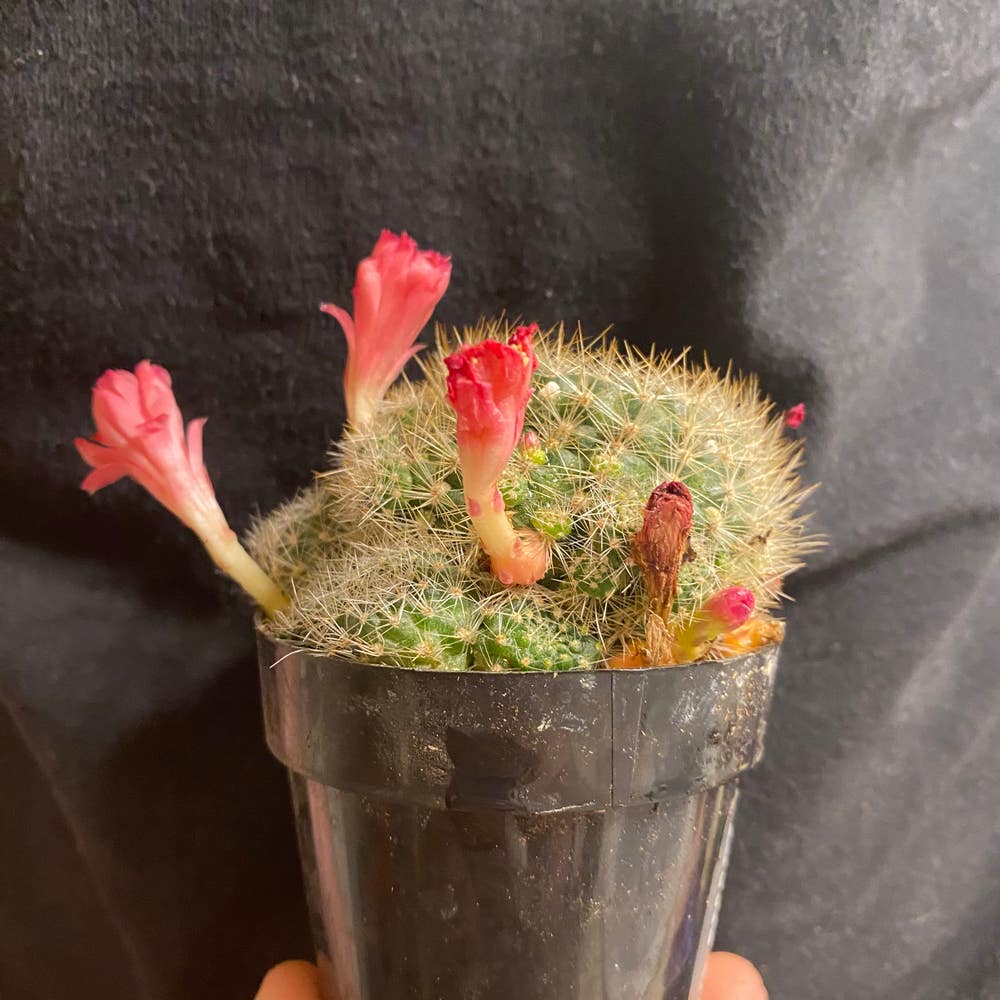
Their aesthetic appeal is undeniable. With vibrant flowers and a unique structure, Red Crown Cactus adds a striking visual element that can enhance any garden.
🌿 Tips for Integrating Red Crown Cactus into Garden Design
When planning your garden, consider companion planting. Pairing Red Crown Cactus with drought-tolerant plants like succulents or native grasses can create a harmonious ecosystem.
Placement is crucial for optimal growth. Ensure your Red Crown Cactus receives plenty of sunlight and has well-drained soil to thrive.
By thoughtfully integrating these cacti into your garden, you can enjoy their beauty and resilience for years to come. This sets the stage for exploring how to maximize their longevity in your garden.
Maximizing Longevity
🌵 Best Practices for Managing Red Crown Cactus as a Perennial
Managing your Red Crown Cactus effectively is key to its longevity. Start with watering techniques; it's essential to strike a balance between providing enough moisture and avoiding overwatering.
Overwatering can lead to root rot, a common issue for cacti. Water your cactus only when the top inch of soil feels dry to the touch, ensuring it gets the hydration it needs without drowning.
Soil requirements are equally important. Red Crown Cacti thrive in well-drained soils, which prevent water accumulation around the roots.
A mix of potting soil and sand or perlite can create the perfect environment. This combination allows for adequate drainage while still retaining some moisture.
🌼 Tips for Enhancing Growth and Flowering Over Time
To keep your Red Crown Cactus flourishing, pay attention to its fertilization schedule. During the growing season, a balanced fertilizer can provide essential nutrients for sustained growth.
Aim to fertilize every four to six weeks, but reduce this frequency in the dormant winter months. This approach helps your cactus gather strength for the next blooming cycle.
Seasonal care is also crucial. As temperatures change, adjust your care practices to align with the cactus's growth phases.
In spring and summer, increase watering slightly as the plant becomes more active. Conversely, cut back during fall and winter when the cactus enters dormancy.
By following these best practices, you can ensure your Red Crown Cactus not only survives but thrives, bringing beauty to your garden for years to come.
Next, let's explore the garden design implications of incorporating this stunning perennial into your landscape.
⚠️ Safety First
This content is for general information and may contain errors, omissions, or outdated details. It is not medical, veterinary advice, or an endorsement of therapeutic claims.
Always consult a qualified healthcare professional before using any plant as food, medicine, or supplement.
Never eat any plant (or feed one to pets) without confirming its identity with at least two trusted sources.
If you suspect poisoning, call Poison Control (800) 222-1222, the Pet Poison Helpline (800) 213-6680, or your local emergency service immediately.
Spotted an error? Please report it here.
The Red Crown Cactus is a long-lasting beauty 🌼 that thrives for decades, and with Greg's tailored watering alerts and care tips, you can cultivate a vibrant garden that stands the test of time!