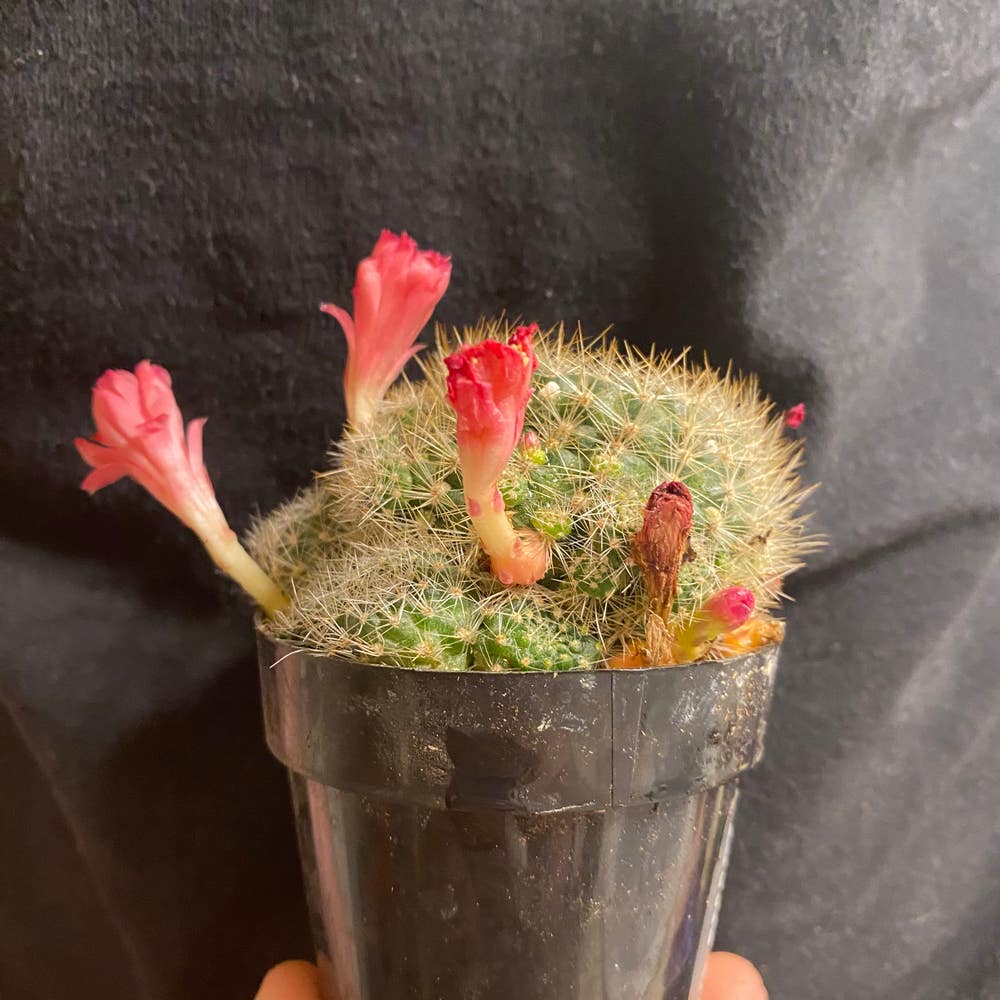
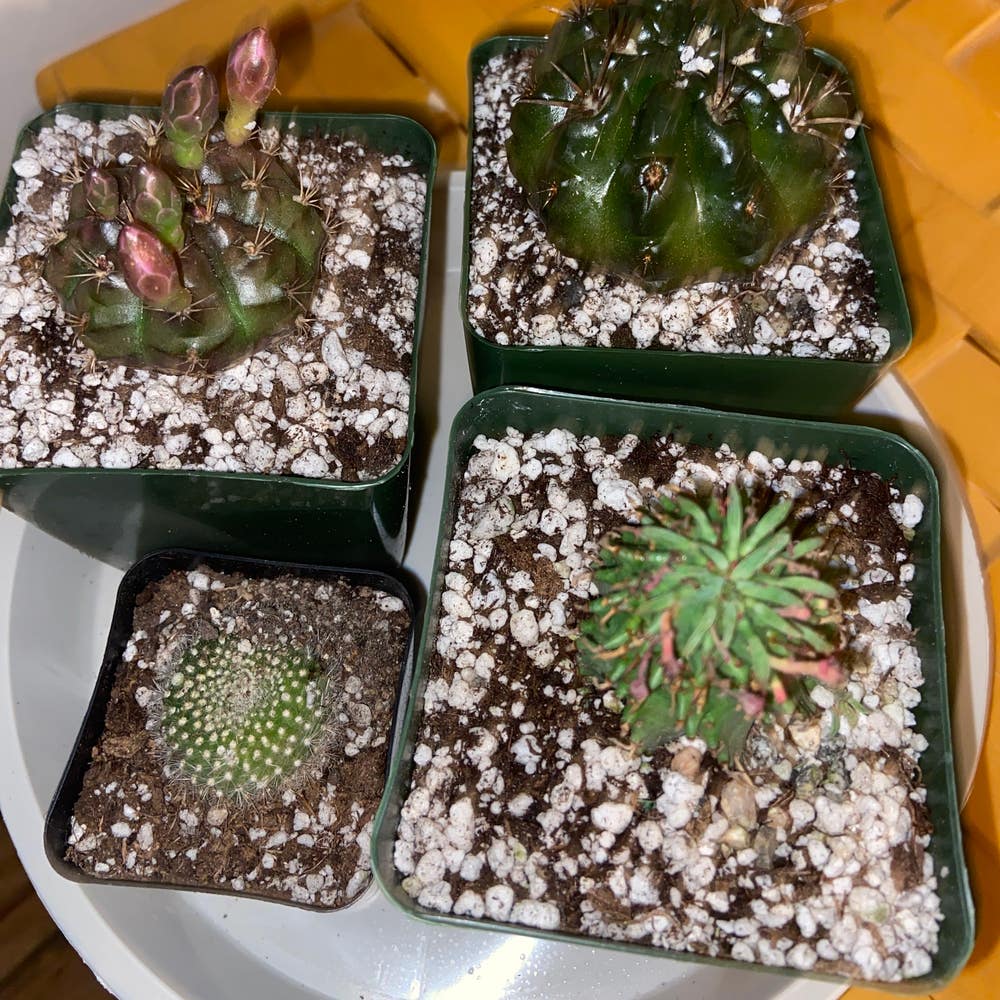
Best Soil for Rebutia minuscula
Rebutia minuscula
By the Greg Editorial Team
Mar 06, 2024•5 min read
This article was created with the help of AI so we can cover more plants for you. May contain errors. See one? Report it here.
Discover the secret to a thriving Rebutia minuscula with this tailored soil mix guide. 🌵🌟
- 🌵 Drainage is key: Add perlite or coarse sand to prevent root rot.
- DIY or commercial soil mix: Look for aeration, drainage, and pH balance.
- Adjust soil with seasons: More drainage in summer, retain moisture in winter.
Spotting Trouble: When Your Rebutia minuscula's Soil Goes Bad
🍄 Telltale Signs of Soil Distress
Fungal foes in your Rebutia minuscula's pot? Mold is the enemy, not a decoration. If you see a fuzzy or slimy layer, it's action time. A musty smell is your plant's cry for help, signaling decay and the urgent need for soil intervention.
Waterlogged soil is a silent killer. If your cactus is sitting in sogginess, you're on a fast track to root rot. Dark, lifeless roots and a foul odor are the red flags you can't afford to ignore.
🔄 Turning the Tables on Unhealthy Soil
For mold, think sunlight and less water. Exposing the soil to light can make mold retreat, while cutting back on watering frequency helps prevent future fungal parties.
Improving drainage is key to dodging root rot. Ensure your pot has drainage holes and consider adding perlite or coarse sand to the mix. It's like giving your plant's roots a breath of fresh air.
Remember, watering is an art—thorough but infrequent is the mantra. Target the roots and avoid creating a swampy mess. Your Rebutia minuscula will thank you with growth, not groans.
Crafting the Ideal Soil Mix
🌱 The Perfect Blend: Commercial Mixes vs. DIY
When it comes to commercial soil mixes, look for the trio of drainage, nutrient content, and pH balance. A mix that's too heavy on organic matter might as well be a swamp for your Rebutia minuscula. Brands like Bonsai Jack and Dr. Earth get nods for their drainage, but keep an eye out for perlite or pumice in the ingredients list.
Roll up your sleeves for the DIY route. It's all about customization. A basic recipe? One part potting soil, one part coarse sand, and one part perlite. It's a wallet-friendly mix that provides aeration and drainage, though you might have to play around with the ratios to get it just right for your prickly friend.
🌿 Ingredients for Success
The role of coarse sand is to improve drainage, while perlite keeps the soil light and breathable. Peat moss, though controversial due to sustainability concerns, can help with moisture retention—use it sparingly.
Getting the proportions right is more art than science. Start with a mix of 3 parts potting soil, 2 parts sand or grit, and 1 part perlite. Watch your cactus's response and tweak as needed. Too much water? Add more sand. Soil drying out too fast? A touch more peat moss might do the trick. Remember, your Rebutia minuscula's comfort is the priority.
Tailoring Soil to Your Environment
💧 Adjusting for Humidity and Light
Your Rebutia minuscula's soil mix should adapt to your home's climate. In drier climates, increase moisture retention by tweaking your mix. This might mean adding a bit more peat moss or vermiculite to hold water.
Conversely, in humid environments, ensure excess moisture has an escape route. Add more perlite or coarse sand to the mix to enhance drainage. This prevents your cactus from sitting in wet soil, which can lead to root rot.
Light levels also play a role. Bright, direct light can dry out soil quickly, so a mix that retains more moisture might be beneficial. In lower light conditions, go for a mix that dries out faster to prevent overwatering issues.
🌱 Seasonal Soil Switch-ups
Seasonal changes mean your soil mix needs a refresh. In winter, cut back on moisture-retaining components to reduce the risk of root rot during the plant's dormant phase.
Come summer, with increased watering, ensure your soil is well-draining. This might mean adding extra perlite or pumice to the mix. The goal is to prevent water from pooling around the roots on those hot days.
Indoor vs. outdoor growth also demands different soil strategies. Outdoor plants may need a heavier mix to combat the elements, while indoor plants benefit from a lighter mix to prevent overwatering.
Remember, the key is to observe and adjust. If your cactus seems unhappy, don't be afraid to change up the soil mix until you find what works best in your unique environment.
When to Repot with Fresh Soil
⏰ Timing is Everything
- Growth cues signal it's time for a soil refresh. Look for roots escaping through drainage holes or a noticeable slowdown in growth.
- Early spring is the prime time for repotting, aligning with the plant's natural growth cycle.
Best Practices for Repotting Without the Stress
- Prep work is key. Have your new soil mix and pot ready before you start.
- Gentle handling of the roots during the transfer minimizes stress and damage.
- Post-repotting, water your Rebutia minuscula adequately, but don't overdo it. Think of it as a recovery drink, not a flood.
- Maintain consistent conditions post-repot. Sudden changes in light or location can be jarring.
- Avoid repotting during flowering or dormancy periods. It's like renovating the house during a party or while everyone's asleep.
- If your cactus is battling pests or diseases, address these first before considering a repot.
⚠️ Safety First
This content is for general information and may contain errors, omissions, or outdated details. It is not medical, veterinary advice, or an endorsement of therapeutic claims.
Always consult a qualified healthcare professional before using any plant as food, medicine, or supplement.
Never eat any plant (or feed one to pets) without confirming its identity with at least two trusted sources.
If you suspect poisoning, call Poison Control (800) 222-1222, the Pet Poison Helpline (800) 213-6680, or your local emergency service immediately.
Spotted an error? Please report it here.
Keep your Rebutia minuscula's roots healthy and mold-free 🌵 with Greg's soil moisture monitoring and tailored care advice for the perfect soil mix.