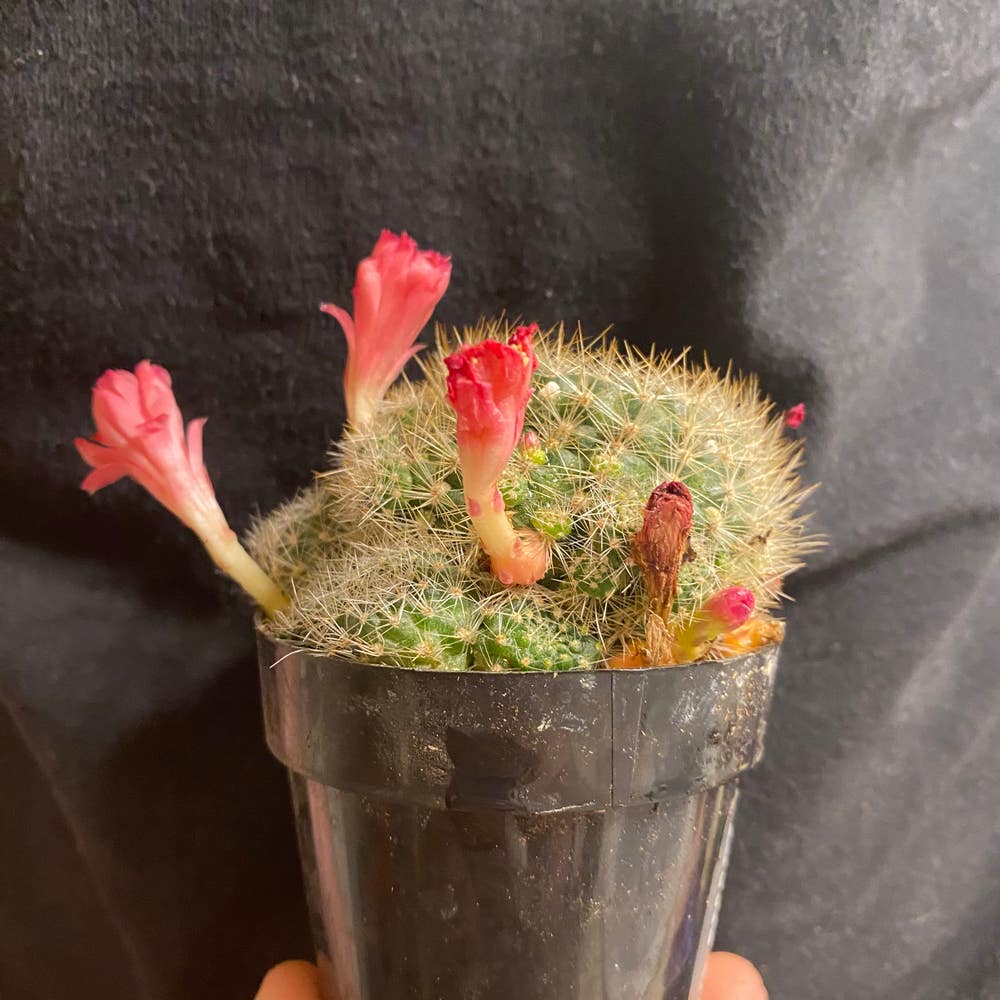
Reasons Why Your Red Crown Cactus Won't Flower 🌵
Rebutia minuscula
By the Greg Editorial Team
Sep 30, 2024•4 min read
This article was created with the help of AI so we can cover more plants for you. May contain errors. See one? Report it here.
Master light, water, and nutrition 🌱 to unlock stunning blooms from your Red Crown Cactus and watch it thrive!
- 🌞 Insufficient light exposure prevents Red Crown Cactus from blooming; ensure bright, indirect sunlight.
- 💧 Proper watering practices are crucial; both overwatering and underwatering hinder blooming potential.
- 🌱 Age matters; Echinopsis typically blooms for the first time in 3-5 years.
Common Flowering Problems
🌸 Failure to Bloom
One of the most frustrating issues for Red Crown Cactus owners is the failure to bloom. Several common reasons can lead to this problem.
Insufficient Light Exposure
Bright, indirect sunlight is crucial for triggering blooms. If your cactus is not getting enough light, you might notice elongated growth and a pale color, both signs that it’s time to reposition your plant.
Incorrect Watering Practices
Watering habits play a significant role in flowering. Overwatering can lead to root rot, while underwatering stresses the plant, both of which can reduce blooming potential.
Age of the Plant
Age is another factor to consider. Echinopsis typically requires a certain maturity level before it flowers, often blooming for the first time around three to five years of age.
🌼 Premature Flower Drop
If your cactus buds are dropping before they bloom, several factors could be at play.
Environmental Stressors
Sudden temperature changes can destabilize blooms, causing them to drop prematurely. Additionally, high humidity levels can also lead to bud drop, so maintaining a stable environment is key.
Nutritional Imbalances
Nutritional deficiencies can weaken blooms. Signs of these imbalances include yellowing leaves and stunted growth, indicating that your cactus may need a nutrient boost.
🌺 Abnormal Flower Development
Sometimes, the flowers that do appear may not look as expected due to abnormal development.
Genetic Factors
Genetic variability among Echinopsis varieties can lead to differences in flower shapes and colors. Understanding your specific variety can help set realistic expectations.
Environmental Influences
Light quality and temperature fluctuations can significantly impact flower morphology. Ensuring consistent conditions can help your cactus produce the best blooms possible.
By addressing these common flowering problems, you can enhance your Red Crown Cactus's chances of blooming beautifully. Next, let’s explore the nutritional needs essential for promoting vibrant flowers.
Nutritional Needs for Flowering
🌱 Essential Nutrients
To ensure your Red Crown Cactus thrives and produces stunning blooms, focus on its nutritional needs. Key nutrients include nitrogen, phosphorus, and potassium, which should be balanced for optimal flowering.
A good rule of thumb is to use fertilizers with a balanced NPK ratio, such as 10-10-10 or 20-20-20. These formulations provide the essential nutrients your Echinopsis craves, promoting robust growth and vibrant flowers.
⚠️ Signs of Nutrient Deficiencies
Recognizing nutrient deficiencies early can save your cactus from stress and poor blooming. For instance, nitrogen deficiency often manifests as yellowing leaves and stunted growth, signaling that your plant needs a boost.
Phosphorus deficiency can delay blooming and weaken flower stems, making them less resilient. Keep an eye out for these symptoms to ensure your Red Crown Cactus remains healthy and ready to bloom.
By addressing these nutritional needs, you set the stage for a flourishing cactus that will reward you with beautiful flowers. Next, let’s explore effective pruning techniques to further enhance your plant’s blooming potential.
Pruning Techniques
🌸 Pruning for Optimal Blooms
Pruning your Red Crown Cactus is essential for encouraging vibrant blooms. The best time to prune is right after flowering, as this stimulates new growth and prepares the plant for the next blooming cycle.
Using clean, sharp tools is crucial. This prevents damage and reduces the risk of disease, ensuring your cactus remains healthy and thriving.
⚠️ Effects of Over-Pruning
While pruning is beneficial, overdoing it can lead to problems. Excessive pruning can stress the plant, potentially reducing its flowering capacity.
Signs of over-pruning include stunted growth and fewer blooms. Keep an eye on your cactus to ensure it’s flourishing, not floundering.
By mastering these pruning techniques, you can help your Red Crown Cactus reach its full blooming potential. Next, let’s explore the nutritional needs that support flowering.
Problem-Solving Techniques
💡 Solutions for Common Issues
If your Red Crown Cactus isn't blooming, start by assessing its light exposure. Ensure it receives bright, indirect sunlight, as this is crucial for triggering those beautiful blooms.
Next, review your watering schedule. Overwatering can lead to root rot, while underwatering stresses the plant, both of which hinder flowering.
Check for signs of nutrient deficiencies. If you notice yellowing leaves or stunted growth, it might be time to amend the soil with the right nutrients.
Finally, consider pruning your cactus. Proper pruning encourages new growth, which can lead to more blooms in the future.
🌼 Tips for Encouraging Healthy Blooms
Regularly monitor your cactus's environmental conditions. Keeping a close eye on temperature and humidity can help you catch any stress factors early.
Creating a stable environment is key. Consistency in care minimizes stress and encourages your cactus to focus on blooming rather than surviving.
By following these problem-solving techniques, you can help your Red Crown Cactus thrive and produce the stunning flowers you desire. Next, let’s explore the nutritional needs essential for flowering.
⚠️ Safety First
This content is for general information and may contain errors, omissions, or outdated details. It is not medical, veterinary advice, or an endorsement of therapeutic claims.
Always consult a qualified healthcare professional before using any plant as food, medicine, or supplement.
Never eat any plant (or feed one to pets) without confirming its identity with at least two trusted sources.
If you suspect poisoning, call Poison Control (800) 222-1222, the Pet Poison Helpline (800) 213-6680, or your local emergency service immediately.
Spotted an error? Please report it here.
Get your Red Crown Cactus to bloom beautifully 🌺 by using Greg for tailored care tips and reminders that ensure it gets the light, water, and nutrients it craves!