🌵 5 Top Pot Choices for Your Red Crown Cactus
Rebutia minuscula
By the Greg Editorial Team
Sep 30, 2024•5 min read
This article was created with the help of AI so we can cover more plants for you. May contain errors. See one? Report it here.
Unlock your Red Crown Cactus's full potential 🌵 by mastering pot sizes and materials for vibrant growth at every stage!
- 🌱 Choose pot size wisely: 4-6 inches for juveniles, 8-12 inches for adults.
- 🏺 Clay pots prevent overwatering by regulating moisture, ideal for Red Crown Cacti.
- 🚫 Drainage holes are essential to avoid root rot and promote healthy growth.
Pot Sizes for Different Growth Stages
Ideal Container Sizes 🌵
Choosing the right pot size is crucial for your Red Crown Cactus. For juvenile plants, a pot with a diameter of 4-6 inches is ideal, providing enough room for growth without overwhelming the roots.
As your cactus matures, you'll want to transition to a larger pot, ideally between 8-12 inches in diameter. This adjustment is vital to prevent root binding, which can stunt growth and lead to health issues.
Impact of Container Size on Growth 📏
The size of the container significantly affects nutrient availability and moisture retention. A larger pot allows for more soil, which can hold more nutrients and moisture, giving your cactus the resources it needs to thrive.
Additionally, the relationship between pot size and flowering potential shouldn't be overlooked. A well-sized pot can encourage blooming, making your cactus not just a plant, but a stunning centerpiece in your home.
Understanding these factors will help you make informed choices as your cactus grows, ensuring it remains healthy and vibrant.
Pot Materials
Benefits of Clay Pots 🌱
Clay pots are a fantastic choice for your Red Crown Cactus. Their natural breathability promotes essential air circulation to the roots, helping them thrive.
Additionally, clay pots excel in moisture regulation. They allow for evaporation, which helps prevent overwatering—a common pitfall for cactus care.
Advantages of Plastic Pots 🪴
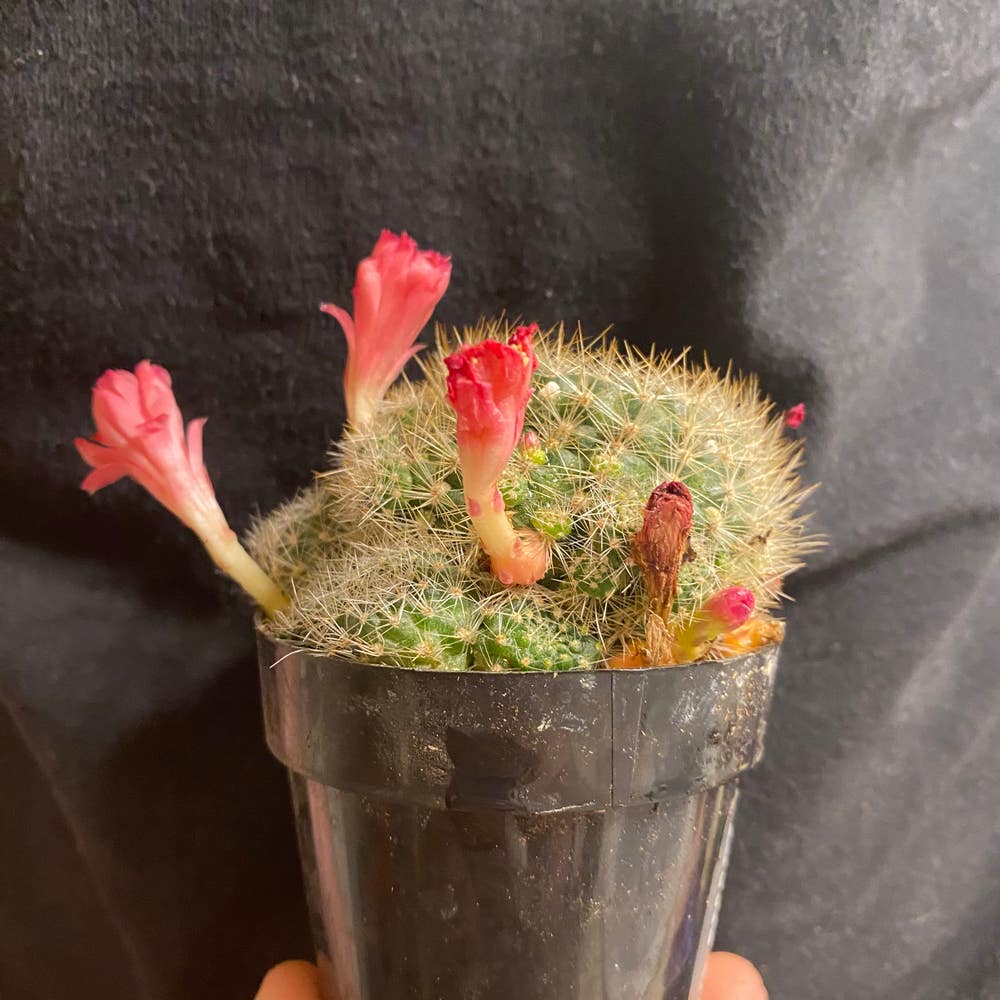
Plastic pots offer a lightweight and easy-to-handle option, making them ideal for indoor settings. Their affordability and availability in various sizes make them a practical choice for many plant enthusiasts.
Moreover, plastic pots are less prone to breaking, which is a significant advantage if you have a busy household.
Comparison of Other Materials 🏺
Ceramic pots bring aesthetic appeal to your plant display but may retain moisture more than desired. This can be a double-edged sword, especially if you're not careful with your watering routine.
Terracotta pots share similar benefits to clay but are heavier, making them better suited for outdoor use. When choosing pot materials, consider whether your cactus will be indoors or outdoors to ensure optimal growth conditions.
Drainage Considerations
Importance of Drainage Holes 🌊
Drainage holes are crucial for preventing water accumulation in your pot. Without them, excess water can lead to root rot, a common issue that can devastate your Red Crown Cactus.
Proper drainage ensures that roots receive the oxygen they need while excess moisture drains away. This balance is essential for maintaining healthy roots and promoting robust growth.
How Drainage Affects Root Health 🥴
Poor drainage can manifest in several ways, including yellowing leaves and stunted growth. If you notice these signs, it’s a clear indication that your cactus may be struggling with waterlogged conditions.
Using well-draining potting soil is equally important. It allows moisture to escape while providing the nutrients your cactus craves.
Recommended Drainage Solutions 🛠️
When choosing pots, opt for those with built-in drainage holes whenever possible. They offer the best solution for managing excess water effectively.
If you find yourself with a pot that lacks drainage holes, consider adding gravel or stones at the bottom. This can help improve drainage and prevent water from pooling.
For pots without holes, you can enhance drainage by mixing in perlite or sand with your potting soil. This will create a lighter mix that allows for better airflow and moisture control.
In summary, prioritizing drainage is vital for the health of your Red Crown Cactus. With the right pot and soil, you can ensure your cactus thrives and flourishes.
Next, we’ll explore the best practices for repotting your cactus to keep it growing strong.
Repotting Guidelines
Signs That It's Time to Repot 🌱
Recognizing when your Red Crown Cactus needs repotting is crucial for its health. Look for roots growing out of the drainage holes; this is a clear sign that your cactus is root-bound.
Another indicator is stunted growth or a lack of flowering, even when you’re providing proper care. If your cactus seems to be struggling, it might be time for a new home.
Step-by-Step Guide to Repotting 🛠️
Repotting your cactus can be straightforward if you follow these steps:
- Gather materials: You'll need a new pot, cactus potting soil, and gloves.
- Carefully remove the cactus from its current pot, taking care not to damage the roots.
- Inspect the roots for any damage or rot; trim any unhealthy parts as needed.
- Place the cactus in the new pot, ensuring it sits at the same depth as before.
- Fill with potting soil, gently pressing down to eliminate air pockets.
- Water lightly to settle the soil and help your cactus adjust.
Choosing the Right Pot When Repotting 🪴
When selecting a new pot, consider size, material, and drainage capabilities. A pot that’s too small will restrict growth, while one that’s too large can lead to overwatering.
It's essential to choose a pot that accommodates future growth, ensuring your cactus thrives for years to come. With the right pot, your Red Crown Cactus will flourish beautifully.
As you prepare to repot, keep in mind the importance of proper care and attention to detail. This will set the stage for a healthy, vibrant cactus that brings joy to your space.
⚠️ Safety First
This content is for general information and may contain errors, omissions, or outdated details. It is not medical, veterinary advice, or an endorsement of therapeutic claims.
Always consult a qualified healthcare professional before using any plant as food, medicine, or supplement.
Never eat any plant (or feed one to pets) without confirming its identity with at least two trusted sources.
If you suspect poisoning, call Poison Control (800) 222-1222, the Pet Poison Helpline (800) 213-6680, or your local emergency service immediately.
Spotted an error? Please report it here.
Select the perfect pot for your Red Crown Cactus 🌵 with Greg's tailored watering reminders and expert care tips, ensuring your plant flourishes beautifully!