🌵 5 Tips for Healthy Red Crown Cactus Roots
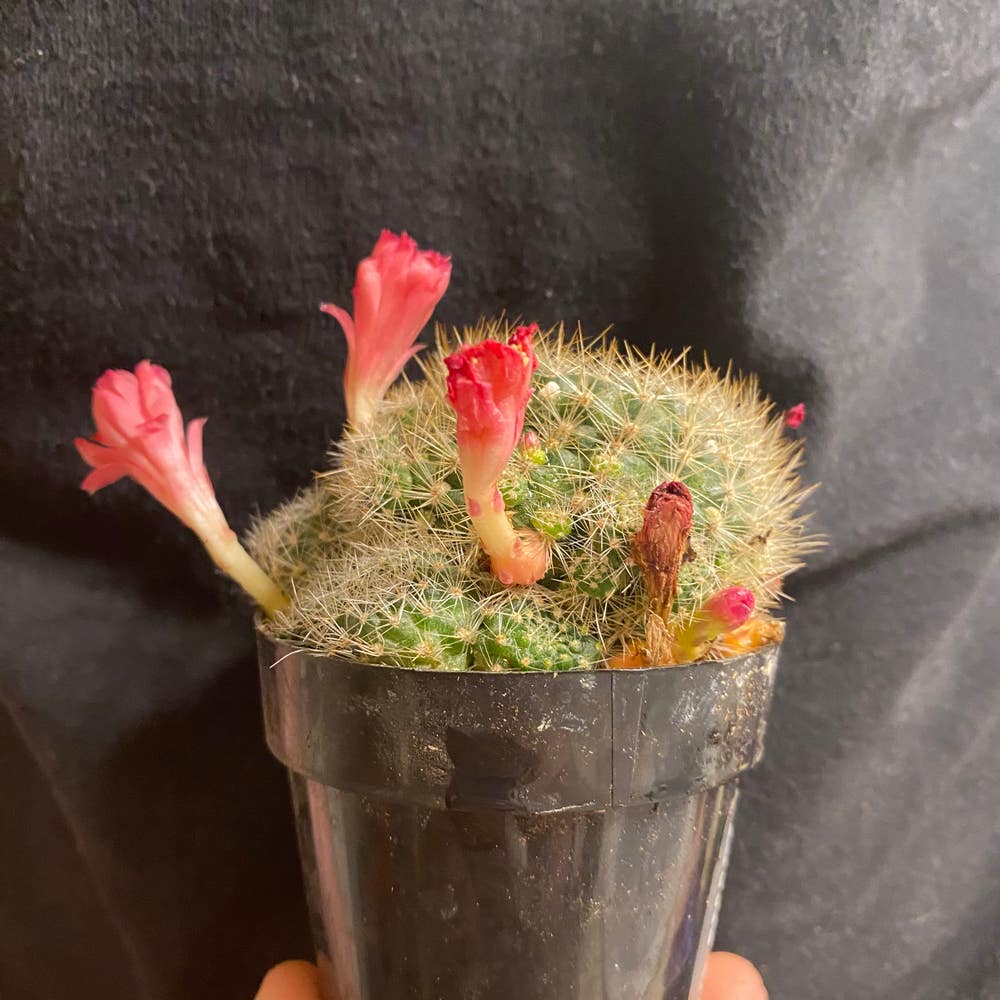
Rebutia minuscula
By the Greg Editorial Team
Sep 30, 2024•6 min read
This article was created with the help of AI so we can cover more plants for you. May contain errors. See one? Report it here.
Discover how to nurture your Red Crown Cactus roots 🌵 for a thriving, resilient plant with expert care tips!
- 🌵 Healthy roots absorb water efficiently, crucial for Red Crown Cactus survival in arid conditions.
- 💧 Prevent root rot by allowing soil to dry completely between waterings.
- 🌱 Transplant in spring with well-draining soil to minimize stress and promote growth.
Characteristics of the Cactus Root System
Type of Root System 🌵
The Red Crown Cactus boasts a fibrous root system, which is essential for its survival in arid environments. This type of root system excels at efficiently absorbing water, allowing the cactus to thrive even in the harshest desert conditions.
Fibrous roots spread out widely, maximizing the plant's ability to capture moisture from light rains. This adaptability is crucial for enduring long dry spells, showcasing nature's ingenuity in survival strategies.
Root Depth and Spread 📏
Typically, the roots of a Red Crown Cactus can reach depths of up to 12 inches (30 cm). However, they can spread out even further, extending up to 24 inches (60 cm) wide.
This extensive root network allows the cactus to tap into various moisture sources. Additionally, the growth patterns of these roots adapt to environmental conditions, ensuring the plant remains resilient and healthy.
Understanding these characteristics is vital for anyone looking to cultivate a thriving Red Crown Cactus. With the right care, you can support its unique root system and promote overall plant health.
Next, let’s delve into effective watering and fertilizing techniques that align with these root characteristics.
Watering and Fertilizing Techniques
🌱 Impact of Root System on Watering Practices
Cacti, including the Red Crown Cactus, thrive on a unique watering regimen. It's crucial to allow the soil to dry out completely between waterings to mimic their natural desert habitat.
Overwatering can lead to root rot, while underwatering may cause wilting. Look for signs like yellowing leaves or a shriveled appearance to gauge your watering habits.
🌿 Fertilizing Techniques Tailored to Root Health
When it comes to fertilizing, choosing the right type is key. Opt for a balanced cactus fertilizer that provides essential nutrients like nitrogen, phosphorus, and potassium.
Timing matters too; fertilize during the growing season, typically in spring and summer, to support robust root development. This ensures your cactus gets the nutrients it needs when it’s most active.
In summary, understanding your cactus's watering and fertilizing needs is vital for maintaining healthy roots. With the right techniques, your Red Crown Cactus will flourish, setting the stage for the next topic on transplanting and repotting best practices.
Transplanting and Repotting Best Practices
🌱 Best Practices for Transplanting
Transplanting your Red Crown Cactus at the right time is crucial for minimizing stress. Ideally, do this in the spring or early summer when the plant is actively growing.
Step-by-Step Transplanting Process
- Prepare the New Pot: Use well-draining soil to ensure proper moisture levels.
- Remove the Cactus: Gently take the cactus out of its current pot, being careful not to damage the roots.
- Inspect and Trim: Check for any damaged roots and trim them to promote healthy growth.
- Replant: Place the cactus in the new pot and fill it with soil, ensuring it’s stable.
- Water Lightly: Give it a light watering to help settle the soil around the roots.
🔄 Signs Indicating When to Repot
Recognizing when your cactus needs repotting is essential for its health.
- Roots Out of Drainage Holes: If you see roots pushing through the bottom, it’s time for a new pot.
- Stunted Growth: If your cactus isn’t growing despite proper care, it may be rootbound and need more space.
By following these transplanting and repotting best practices, you can help ensure your Red Crown Cactus thrives in its new environment. Next, let’s explore common root-related issues that can affect your cactus's health.
Common Root-Related Issues
🦠 Identifying Root Rot and Other Diseases
Root rot is a sneaky issue that can devastate your Red Crown Cactus. Look for symptoms like yellowing leaves, wilting, and mushy roots, which signal that something's amiss.
Other diseases can also affect your cactus roots. Keep an eye out for discoloration and unusual growth patterns, as these can indicate underlying problems.
🛠️ Solutions for Preventing and Treating Root Problems
Preventing root issues starts with proper watering and soil selection. Ensure your cactus is in well-draining soil and only water when the soil is completely dry.
If you do encounter root rot, act quickly. Remove any affected roots and repot the cactus in fresh soil to give it a fighting chance.
In some cases, using fungicides may be necessary. This can help tackle persistent issues and protect your cactus from further damage.
By staying vigilant and proactive, you can keep your Red Crown Cactus thriving and healthy. Now, let's explore how to recognize indicators of root health to ensure your cactus remains in top shape.
Indicators of Root Health
👀 Visual Cues for Healthy vs. Unhealthy Roots
Healthy roots are a sight to behold. They should be firm, white, and plump, indicating that your Red Crown Cactus is thriving.
On the flip side, unhealthy roots present a stark contrast. Look for dark, mushy, or shriveled roots, which signal that something is amiss.
📈 Other Indicators of Root System Health
Overall plant vigor is a crucial indicator of root health. A robust cactus will display vibrant colors and a healthy shape, reflecting the strength of its root system.
Additionally, pay attention to growth patterns. Changes in growth rate or flowering can hint at underlying root issues, so keep an eye out for any unexpected shifts.
Understanding these indicators can empower you to take action before problems escalate, ensuring your cactus remains healthy and vibrant.
Recognizing and Addressing Rootbound Conditions
📏 Definition and Signs of Rootbound Conditions
Being rootbound means your cactus has outgrown its pot, leading to roots that circle tightly around the container. This condition can stunt growth and hinder the plant's ability to absorb nutrients and water effectively.
Look for signs like roots visibly circling the pot or emerging from drainage holes. Stunted growth, despite proper care, is another clear indicator that your cactus may be rootbound.
🛠️ Steps to Take When a Plant is Rootbound
If you suspect your cactus is rootbound, follow these steps to help it thrive again:
- Carefully remove the cactus from its pot. Gently loosen the soil around the edges to avoid damaging the roots.
- Trim circling roots to encourage new growth. Use clean, sharp scissors to cut away any roots that are tightly wound.
- Repot in a larger container with fresh soil. Choose a pot that offers more space for growth and use well-draining soil to promote healthy roots.
By addressing rootbound conditions promptly, you can ensure your Red Crown Cactus continues to flourish. Next, let’s explore the importance of root health in propagation and division.
Importance of Root Health in Propagation and Division
✂️ Techniques for Dividing Cactus
Successful cactus propagation hinges on timing and technique. The best time to propagate is during the growing season, typically in spring or early summer, when the plant is most active.
Using clean, sharp tools is crucial for cutting. This minimizes the risk of infection and promotes faster healing for both the parent plant and the new cuttings.
🌱 Importance of Root Health in Propagation
Healthy roots are the backbone of successful propagation. They ensure that new plants can absorb nutrients and water effectively, setting the stage for robust growth.
To maintain root health during division, handle the roots gently and avoid excessive disturbance. Keeping the soil slightly moist can also help roots recover quickly after being cut.
With these practices, you can confidently propagate your Red Crown Cactus, ensuring vibrant new plants that thrive.
⚠️ Safety First
This content is for general information and may contain errors, omissions, or outdated details. It is not medical, veterinary advice, or an endorsement of therapeutic claims.
Always consult a qualified healthcare professional before using any plant as food, medicine, or supplement.
Never eat any plant (or feed one to pets) without confirming its identity with at least two trusted sources.
If you suspect poisoning, call Poison Control (800) 222-1222, the Pet Poison Helpline (800) 213-6680, or your local emergency service immediately.
Spotted an error? Please report it here.
Nurture your Red Crown Cactus roots for vibrant growth 🌱 by using Greg's tailored watering reminders and expert care tips to keep your plant thriving!