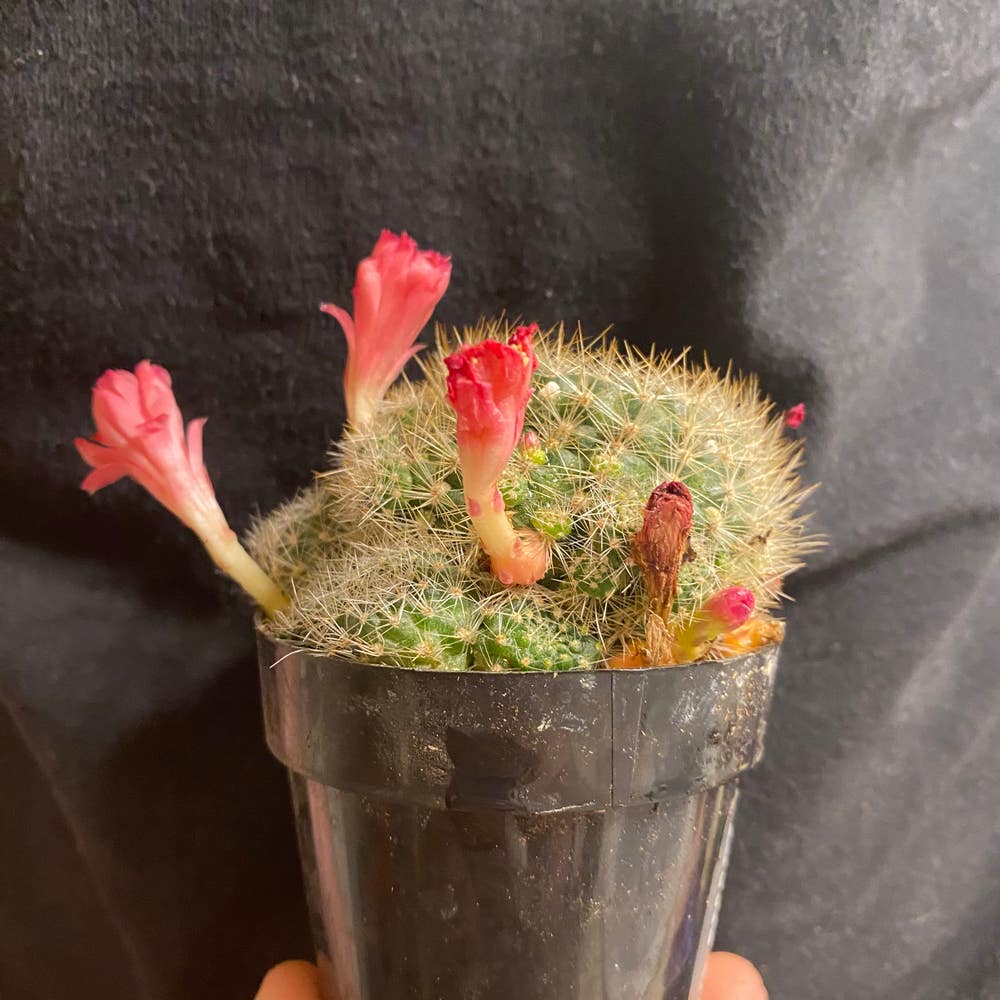
What Are The Bugs on My Rebutia minuscula?
Rebutia minuscula
By the Greg Editorial Team
Mar 06, 2024•4 min read
This article was created with the help of AI so we can cover more plants for you. May contain errors. See one? Report it here.
Protect your cactus 🌵 from pesky invaders with these proven pest-fighting strategies!
- 🕸️ Spider mites and mealybugs show distinct signs; combat with natural or chemical treatments.
- 🌵 Prevent pests with quarantine, hygiene, dry spells, and proper watering.
- 🐞 Use beneficial insects and targeted insecticides as a last resort.
Spot the Invaders: Identifying Common Pests
🕷️ Spider Mites: The Web Weavers
Webbing is the spider mite's calling card, a clear sign these tiny pests have made your Rebutia minuscula their new home. Look for leaf stippling, a pattern of tiny dots where they've been feasting.
To evict these unwelcome tenants, introduce natural predators like ladybugs, or apply a targeted spray of neem oil or insecticidal soap.
🛡️ Scale: The Sticky Foes
Scale insects are masters of disguise, masquerading as harmless bumps on your cactus. Sticky residue is a dead giveaway of their presence.
Defeat them by safely removing the scales with a toothpick or cotton swab dipped in rubbing alcohol. For a more widespread issue, consider a treatment with horticultural oil.
🦟 Fungus Gnats and Fruit Flies: The Soil Lurkers
These pests are a sign of overwatering. Fungus gnats hover near the soil, while fruit flies are drawn to any nearby fermenting fruit.
Combat them with yellow sticky traps to catch adults and a layer of sand on the soil to block larvae. Let the soil dry out between waterings to make it less inviting.
🐛 Mealybugs: The White Wonders
Mealybugs leave cottony clusters in the nooks of your cactus, a telltale sign of infestation.
Wipe them out with alcohol swabs directly on the pests, or use a spray of insecticidal soap. Vigilance is key—regular checks can prevent a full-scale mealybug takeover.
The First Line of Defense: Preventative Measures
🚧 Quarantine: The New Plant Protocol
Quarantine isn't just for sci-fi movies; it's a crucial step when introducing new plants to your collection. Think of it as a VIP backstage pass that only the healthiest plants get. Isolate newbies for at least a couple of weeks to ensure they're not smuggling in any tiny critters that could wreak havoc on your Rebutia minuscula.
🧼 Cleanliness is Key: Plant Hygiene Practices
Sanitize your tools as if you're prepping for surgery—after all, your plant's health is on the line. Wash those pots and use sterile soil to avoid giving pests a cozy home. Remember, a clean plant space is a happy plant space.
🏜️ The Dry Spell: Watering Wisdom to Deter Pests
Overwatering is like throwing a pool party for pests—they love it. To keep the bugs at bay, let your cactus experience a bit of a dry spell. Ensure proper drainage and only water when necessary. This way, you're not setting up a bug buffet on your Rebutia minuscula's tab.
When Bugs Strike: Effective Remedies
🐞 Natural Predators: Enlisting Allies in the Bug War
Beneficial insects are your garden's covert operatives. Ladybugs and lacewings excel at taking down aphids and mites, serving as a natural pest control solution. To recruit these allies, avoid broad-spectrum insecticides that could harm them. Instead, create an inviting habitat with diverse plants and a water source to keep your insect army thriving.
🐜 Chemical Warfare: When to Use Insecticides
When natural methods fall short, insecticides are the next line of defense. Opt for biorational pesticides, which are less harmful to the environment and non-target organisms. Apply treatments with sniper-like precision, targeting only infested areas. Always follow label instructions and consider the timing of applications to minimize impact on beneficial insects.
The Early Warning System: Signs of Infestation
🚨 Unusual Plant Behavior: Early Indicators of Pest Presence
Discoloration and stunted growth are red flags that your Rebutia minuscula might be sending an SOS. If your cactus is looking more like a sad succulent than a spiky superstar, pests could be the party crashers. Webbing on your cactus isn't a new art project; it's a sign that spider mites have moved in. Bumps on the stems? Scale insects are probably squatting there. And if you spot any cottony masses, mealybugs are throwing a fiesta at your plant's expense.
🕵️♂️ Regular Reconnaissance: How to Inspect Your Cactus
Make plant check-ups part of your routine, like brushing your teeth or scrolling through social media. Flip the leaves, get up close and personal with the stems, and don't forget to inspect the soil—fungus gnats and fruit flies love to lurk there. Use yellow sticky traps to snag flying pests and keep an eye out for any crawlers. Remember, catching these critters early is like fixing a leak before your house floods—it's a big deal for your cactus's health.
⚠️ Safety First
This content is for general information and may contain errors, omissions, or outdated details. It is not medical, veterinary advice, or an endorsement of therapeutic claims.
Always consult a qualified healthcare professional before using any plant as food, medicine, or supplement.
Never eat any plant (or feed one to pets) without confirming its identity with at least two trusted sources.
If you suspect poisoning, call Poison Control (800) 222-1222, the Pet Poison Helpline (800) 213-6680, or your local emergency service immediately.
Spotted an error? Please report it here.
Keep your Rebutia minuscula pest-free 🐞 with Greg's personalized care plans and early detection tools that make plant protection a breeze!