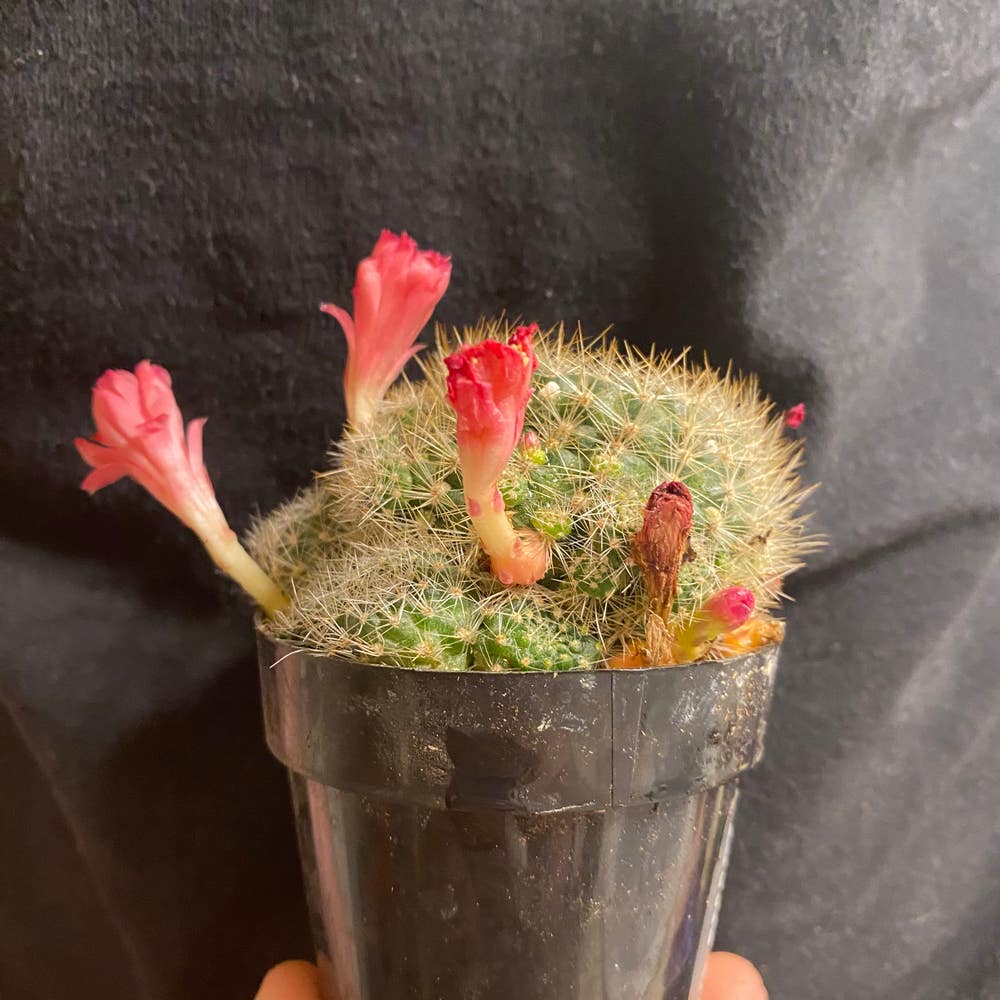
🌵 Why Are There Black Spots on My Rebutia minuscula Leaves?
Rebutia minuscula
By the Greg Editorial Team
Mar 06, 2024•4 min read
This article was created with the help of AI so we can cover more plants for you. May contain errors. See one? Report it here.
Eradicate black spots on your Rebutia minuscula and restore its vibrant health with these expert tips! 🌵🔍
- Fungal diseases and sunburn are common causes of black spots.
- Use fungicides and adjust light to treat and prevent issues.
- Prune affected areas; ensure good airflow and gentle handling.
Spotting the Trouble: Recognizing Black Spots
🕵️♂️ Visual Clues and Symptoms
Black spots on your Rebutia minuscula can be sneaky invaders, ranging from tiny specks to larger patches. They often prefer the undersides of leaves, a perfect spot for trouble to brew. These spots can be irregular, with a rough texture, unlike the plant's natural, uniform markings. A halo of discoloration often surrounds them, and they can feel crusty or soggy to the touch, indicating a fungal or bacterial issue.
🚨 Immediate Actions
At the first sign of black spots, it's time for plant triage. Isolate the affected Rebutia minuscula to prevent any potential contagion. Grab your sterilized scissors and prune the affected areas with the precision of a surgeon. Adjust your care routine pronto, because these spots can spread faster than gossip in a small town. Keep a close eye on the plant's response; if it doesn't perk up, reassess and consider reaching out to plant care communities or a trusted nursery for advice.
Unveiling the Culprits: Common Causes of Black Spots
🍄 Fungal Foes
Fungal diseases are notorious for causing black spots on Rebutia minuscula. These spots often start as small lesions and can expand, ruining the aesthetic of your plant. High humidity and poor air circulation are the perfect storm for these fungi to thrive.
☀️ Sunburn Scorch
Too much sunlight can lead to sunburn. This is evident when you see black or brown spots with a dry, scorched appearance, especially on the parts of the plant that receive the most light. It's a clear sign that your cactus is crying out for some shade.
💥 The Scars of Physical Harm
Physical damage can also manifest as black spots. These are the plant's version of bruises, resulting from a bump, a pet's curiosity, or even a rough storm. They're a reminder that sometimes, the world can be a bit too rough for our green friends.
The Battle Plan: Treating Black Spots
🛡️ Fungicide to the Rescue
When black spots besiege your Rebutia minuscula, fungicides are your shield and sword. Opt for a protectant fungicide to preemptively coat the leaves, or if the fungal fiesta has already begun, a systemic fungicide will work its magic from the inside out. Follow the label like it's the law of the land, and remember, moderation is key—drenching your plant is overkill.
🌞 Shifting the Sunlight
Too much sun can turn a plant tan into a plant burn. If sunburn's the villain, adjust light exposure to prevent further damage. Consider a shade cloth during peak solar hours to protect those tender leaves. It's like giving your plant a pair of sunglasses for those really bright days.
Tender Care for Physical Wounds
Physical damage can leave your plant looking like it went a few rounds in a boxing ring. Trim away the damaged parts with the precision of a surgeon to prevent decay. Keep the plant clean and dry to avoid inviting more trouble. It's not just about healing—it's about smart maintenance to prevent future injuries.
Keeping the Spots at Bay: Prevention Strategies
🛡️ Proactive Fungal Defense
Sanitation is your plant's knight in shining armor. Keep those tools spotless and remove fallen debris like you're Marie Kondo decluttering a closet. Airflow is non-negotiable; think of it as your plant's personal space—no one likes to be crowded. If you're indoors, a fan can be a game-changer. And remember, dry leaves are the goal, so overhead watering is out.
🌞 Sunlight Strategy
Sunlight is a double-edged sword; it's all about finding that sweet spot. Aim for a location with indirect light that mimics a plant's natural habitat. Too much sun and you're cooking your cactus; too little, and it's living in a cave. When adjusting your plant's tan lines, do it gradually—like easing into a hot bath.
👩🌾 Gentle Handling
Think of your plant like a delicate heirloom. When moving or repotting, channel your inner bomb squad expert—gentle is the keyword. Pruning? Clean those shears every time, as if prepping for surgery. And when introducing new plants to the mix, keep them quarantined longer than your last online order. This isn't just about care; it's about crafting a legacy of lush, spot-free Rebutia minuscula.
⚠️ Safety First
This content is for general information and may contain errors, omissions, or outdated details. It is not medical, veterinary advice, or an endorsement of therapeutic claims.
Always consult a qualified healthcare professional before using any plant as food, medicine, or supplement.
Never eat any plant (or feed one to pets) without confirming its identity with at least two trusted sources.
If you suspect poisoning, call Poison Control (800) 222-1222, the Pet Poison Helpline (800) 213-6680, or your local emergency service immediately.
Spotted an error? Please report it here.
Keep your Rebutia minuscula spotless 🌵 with Greg's tailored environment tracking and care reminders, ensuring your plant stays healthy and thriving.