Ultimate Guide to What's Eating Your Island Marlberry 🐛
Ardisia escallonioides
By the Greg Editorial Team
Sep 30, 2024•6 min read
This article was created with the help of AI so we can cover more plants for you. May contain errors. See one? Report it here.
Safeguard your Island Marlberry 🌺 from herbivores while inviting beneficial wildlife for a flourishing garden ecosystem!
- 🌿 Island Marlberry attracts wildlife with glossy leaves and bright red berries.
- 🦌 Deer and rabbits can severely damage plants; use repellents and fencing for protection.
- 🐦 Birds aid pollination but may eat berries; netting protects fruit while allowing access.
Description and Appeal
Appearance and Attractive Parts 🌺
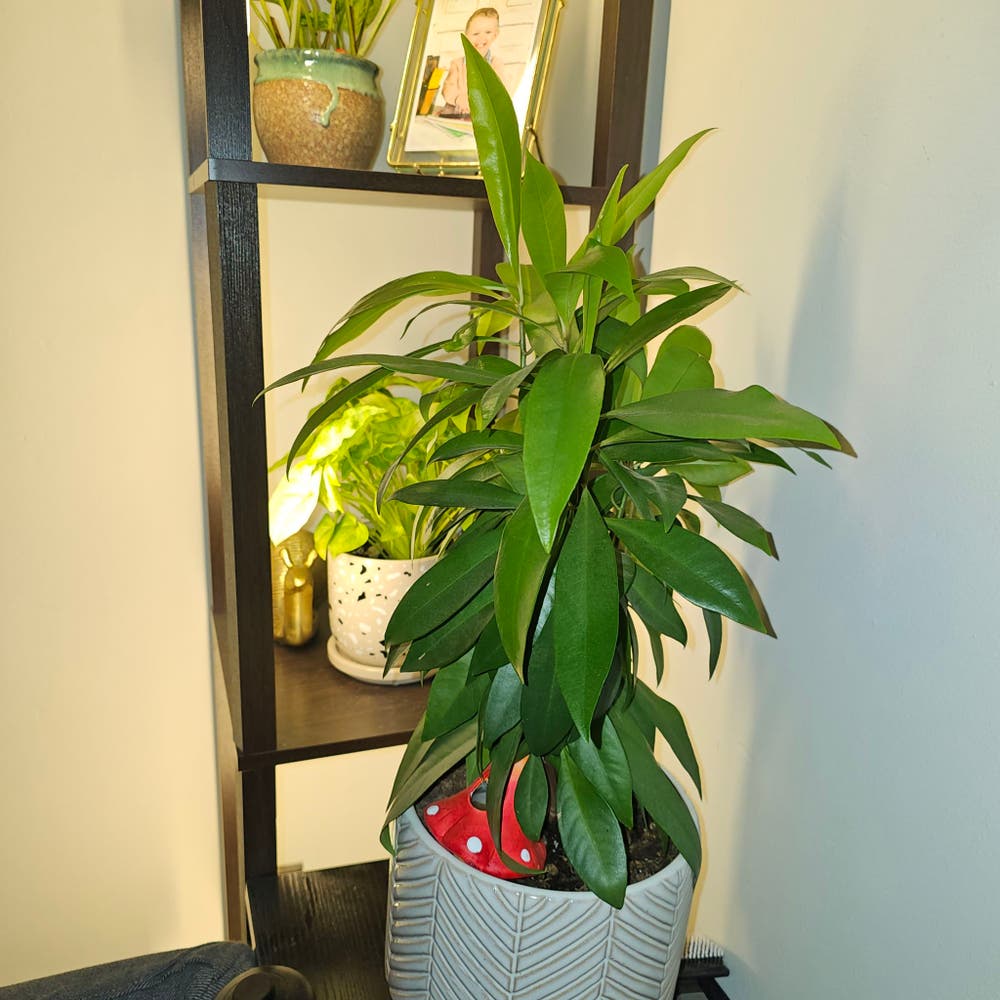
The Island Marlberry is a striking shrub, boasting glossy, dark green leaves that catch the eye. Its small, delicate flowers range from white to pink, adding a subtle charm to any landscape.
Bright red berries emerge as the star attraction, drawing in a variety of animals. These vibrant fruits not only enhance the plant's appeal but also serve as a vital food source for local wildlife.
Parts Appealing to Herbivores 🐾
The bright red berries are particularly enticing to herbivores, making them a sought-after treat. Additionally, the young shoots are tender and packed with nutrients, further appealing to many animals looking for a nutritious snack.
This combination of attractive features makes the Island Marlberry a focal point in its ecosystem, supporting both plant and animal life. As we explore the common herbivores that interact with this plant, it’s essential to understand how these relationships can impact its growth and health.
Common Herbivores Affecting Island Marlberry
🦌 Deer
Signs of Presence and Damage
Deer are often the first culprits when it comes to damage. Look for hoof prints in muddy areas and leaves stripped from the top of the plant.
Impact on the Plant
Their browsing can be generally harmful, leading to stunted growth and reduced fruiting. This can significantly affect the overall health of your island marlberry.
Deterrent Methods
To keep deer at bay, consider using commercial deer repellents. Alternatively, planting strong-smelling herbs like lavender can act as an organic deterrent.
🐇 Rabbits
Signs of Presence and Damage
Rabbits leave behind small, round droppings near the plant and create clean cuts on stems and leaves. These signs indicate their presence and potential damage.
Impact on the Plant
Rabbits can decimate young plants, hindering their growth. Their appetite can be particularly destructive during the early stages of development.
Deterrent Methods
Bitter-tasting sprays serve as effective chemical repellents against rabbits. For a more organic approach, fencing or using predator urine can help deter them.
🐿️ Squirrels
Signs of Presence and Damage
Squirrels are identifiable by distinct gnaw marks on branches and signs of nests in nearby trees. Their activity can be quite noticeable.
Impact on the Plant
These critters can damage branches and disrupt growth, making them generally harmful to your island marlberry. Their nibbling can lead to long-term issues.
Deterrent Methods
Capsaicin-based sprays can deter squirrels effectively. Additionally, employing scare tactics like reflective objects can keep them away.
🐦 Birds
Signs of Presence and Damage
Birds leave pecking marks on berries and leaves, along with signs of nests nearby. Their activity can be both beneficial and detrimental.
Impact on the Plant
While some birds assist with pollination, others may consume berries, leading to mixed impacts on the plant. This dual role can complicate their presence.
Deterrent Methods
Using netting is an easy organic deterrent to protect your berries from birds. This simple solution can safeguard your harvest.
🐭 Rodents (Mice, Voles, etc.)
Signs of Presence and Damage
Rodents create small holes in the ground and leave chewed roots as evidence of their presence. Their activity can be quite damaging.
Impact on the Plant
Rodents can cause significant plant damage, making their presence generally harmful. Their gnawing can compromise the plant's health.
Deterrent Methods
For chemical deterrents, consider rodent bait stations. Organic options include traps and encouraging natural predators like cats to patrol the area.
Understanding these herbivores and their impacts can help you protect your island marlberry effectively. Next, we’ll explore the beneficial animals and insects that contribute positively to your garden ecosystem.
Beneficial Animals and Insects
Positive Interactions 🐝
Island Marlberry isn't just a feast for herbivores; it also attracts beneficial creatures. Pollinators like bees and butterflies flock to its flowers, playing a crucial role in the plant's reproduction.
Birds, drawn by the bright red berries, act as seed dispersers. They consume the fruit and help spread the seeds, ensuring the plant's growth in new areas.
Role in the Garden Ecosystem 🌿
These interactions enhance biodiversity in your garden. By supporting a variety of wildlife, you create a balanced ecosystem that thrives.
Additionally, beneficial insects contribute to natural pest control. They prey on harmful pests, reducing the need for chemical interventions and promoting a healthier garden environment.
Incorporating these beneficial animals and insects into your gardening strategy not only supports the Island Marlberry but also fosters a vibrant and sustainable ecosystem. This creates a win-win situation for both the plants and the wildlife that depend on them.
As we explore further, let’s look at general protection strategies to safeguard your Island Marlberry from potential threats.
General Protection Strategies
🛡️ Preventive Measures for Herbivore Damage
To protect your Island Marlberry from herbivores, consider installing fencing. This creates a physical barrier that keeps larger animals at bay.
Companion planting is another effective strategy. By surrounding your marlberry with plants that deter herbivores, you can create a natural defense system.
⚠️ Reactive Solutions for Managing Animal Interactions
Regular monitoring is crucial. Check for signs of animal activity around your marlberry to catch any issues early.
When you notice damage, act quickly. Using deterrents immediately can help minimize further harm to your plants.
🌱 Seasonal Variations in Animal Attraction
Be aware of seasonal changes in animal behavior. In spring, herbivores are particularly active, drawn to the tender young shoots of your marlberry.
As fall arrives, birds flock to the ripe berries. Understanding these patterns can help you adjust your protection strategies accordingly.
With these strategies in place, you can enjoy the beauty of your Island Marlberry while minimizing the impact of herbivores. Next, let’s explore the toxicity and safety considerations associated with this plant.
Toxicity and Safety
Toxic Effects on Animals 🐾
Island Marlberry can pose mild toxicity risks to certain herbivores. While not lethal, consuming large quantities may lead to digestive upset, making it essential for pet owners and livestock caretakers to monitor their animals' interactions with this plant.
Safety Considerations for Gardeners 🧤
When handling Island Marlberry, it's wise to wear gloves, especially during pruning. Understanding the plant's effects on pets and livestock can help gardeners create a safer environment for all creatures involved.
By being aware of these safety measures, you can enjoy the beauty of Island Marlberry while minimizing risks to both animals and yourself. Next, let's explore the beneficial animals and insects that contribute positively to the garden ecosystem.
⚠️ Safety First
This content is for general information and may contain errors, omissions, or outdated details. It is not medical, veterinary advice, or an endorsement of therapeutic claims.
Always consult a qualified healthcare professional before using any plant as food, medicine, or supplement.
Never eat any plant (or feed one to pets) without confirming its identity with at least two trusted sources.
If you suspect poisoning, call Poison Control (800) 222-1222, the Pet Poison Helpline (800) 213-6680, or your local emergency service immediately.
Spotted an error? Please report it here.
Keep your Island Marlberry thriving 🌱 by using Greg's personalized alerts and deterrent tips to fend off pesky deer and rabbits while attracting beneficial wildlife!