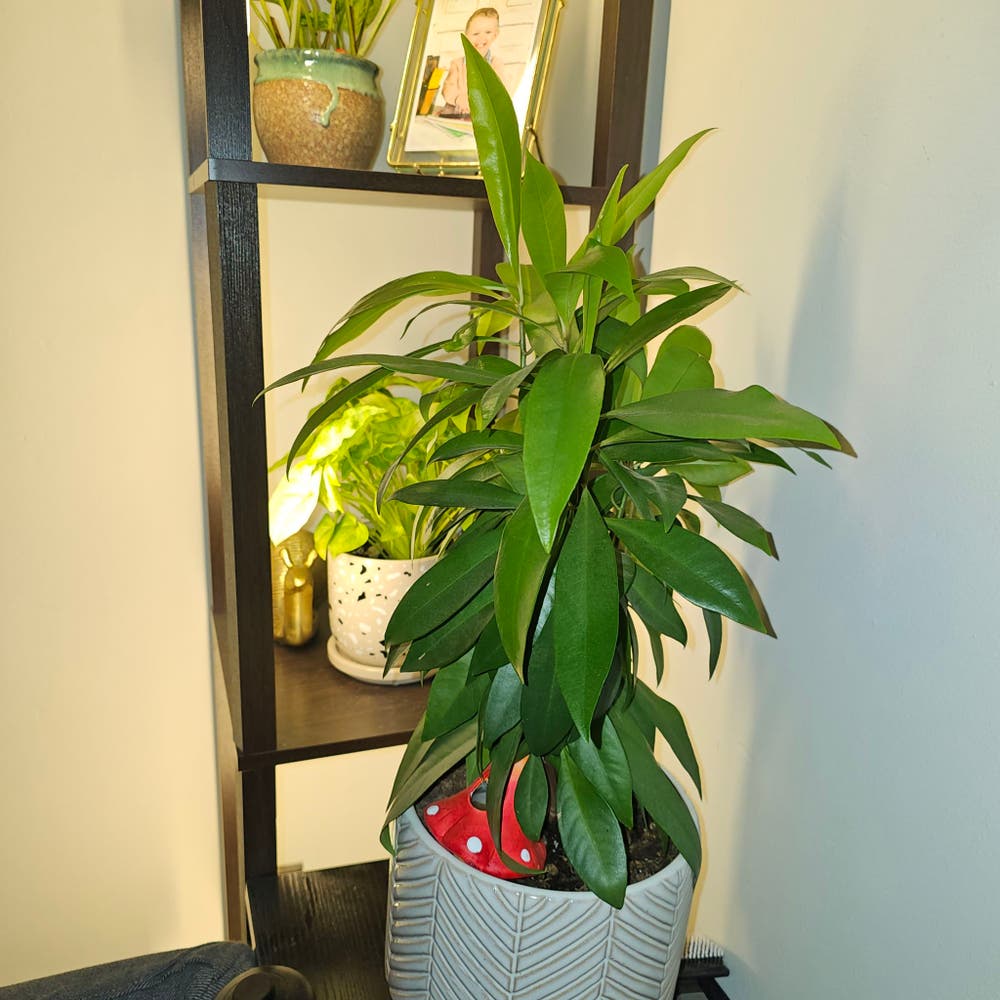
Island Marlberry Hardiness Zones Ultimate Guide: 10a-11b 🍓
Ardisia escallonioides
By the Greg Editorial Team
Sep 30, 2024•4 min read
This article was created with the help of AI so we can cover more plants for you. May contain errors. See one? Report it here.
Master Island Marlberry's temperature tolerance 🌱 to ensure it thrives in your garden's unique conditions!
- 🌴 Island Marlberry thrives in zones 10a-11b, perfect for warmer climates.
- ❄️ Tolerates light frosts down to 30°F, ensuring survival in mild winters.
- 🌊 Coastal areas offer ideal conditions, enhancing growth and resilience against salt spray.
Temperature Tolerance
❄️ Cold Tolerance Specifics
Island Marlberry is impressively resilient, with a minimum temperature tolerance of 30°F (-1°C). This means it can survive light frosts, which is crucial for its growth and overall health.
Understanding the first and last frost dates is essential for planning your planting schedule. Knowing these dates helps ensure that your Island Marlberry has the best chance to thrive without frost damage.
☀️ Heat Tolerance Specifics
On the flip side, Island Marlberry thrives in heat, with a maximum temperature tolerance of up to 100°F (38°C). However, prolonged exposure to such high temperatures can impact its growth and fruiting capabilities.
In coastal and subtropical environments, heat tolerance is particularly important. It allows the plant to flourish in conditions that might otherwise be challenging for less hardy species.
Ideal Growing Regions
🌟 Examples of US States in Zones 10a-11b
When it comes to growing Island Marlberry, certain states shine brighter than others.
Florida stands out with its warm climate and minimal frost, creating a paradise for this plant.
California also offers coastal regions that provide suitable temperatures and rich soil types, perfect for nurturing growth.
Other notable states include Texas, Hawaii, and parts of Arizona, all of which boast conditions that align well with the needs of Island Marlberry.
🌱 Factors Contributing to Ideal Growing Conditions
Several key factors contribute to the ideal growing conditions for Island Marlberry.
Warm climate is crucial; consistent temperatures above freezing ensure the plant thrives throughout the year.
Well-drained soils play a significant role as well, allowing for adaptability to various soil types, which enhances growth and fruit production.
Lastly, coastal resilience is vital; the plant's ability to withstand salt spray and high humidity makes it well-suited for coastal environments.
Understanding these factors can help gardeners create the perfect conditions for Island Marlberry to flourish.
As we delve deeper into the topic, let’s explore how microclimates can further influence the growth of this remarkable plant.
Microclimates and Their Impact
Definition and Influence 🌦️
Microclimates are localized climate variations that can significantly differ from the surrounding areas. These small-scale climates can create unique growing conditions, making them essential for gardeners and farmers alike.
Several factors influence microclimates, including elevation, proximity to water, and urban heat islands. For instance, areas near large bodies of water often experience milder temperatures, while urban environments can trap heat, creating warmer conditions.
Extending Growing Range 🌱
Microclimates can support Island Marlberry cultivation outside the typical hardiness zones. For example, a sheltered garden nook can provide a warmer microclimate, allowing for successful growth even in less-than-ideal conditions.
Monitoring local conditions is crucial for successful cultivation. By understanding the specific microclimate of your area, you can make informed decisions about planting and care, maximizing your chances for a thriving Island Marlberry.
As you explore these localized climates, consider how they can enhance your gardening experience and expand your growing possibilities.
State-Level Suitability Analysis
Suitable States 🌟
When it comes to growing Island Marlberry, certain states shine brighter than others.
Florida stands out with its consistently warm temperatures and minimal frost, creating a paradise for this plant.
California also offers coastal areas that boast ideal growing conditions, thanks to their temperate climate and rich soil.
Texas features southern regions that provide a suitable climate, allowing for robust growth.
Lastly, Hawaii presents tropical conditions that are simply perfect for Island Marlberry, ensuring lush foliage and fruitful yields.
Unsuitable States and Reasons 🚫
On the flip side, some states are less than ideal for cultivating Island Marlberry.
Northern states like Maine and North Dakota face challenges due to their cold climates, where temperatures often dip below 30°F (-1°C).
Additionally, states with a high frost risk, such as Montana and Wyoming, can pose threats to young plants, especially during late spring frosts.
These unsuitable climates can hinder growth and reduce the chances of successful cultivation, making it crucial for gardeners to choose wisely.
Understanding these state-level distinctions can significantly impact your gardening success. With the right conditions, your Island Marlberry can thrive beautifully.
Next, let’s explore the fascinating world of microclimates and how they can extend your growing range.
⚠️ Safety First
This content is for general information and may contain errors, omissions, or outdated details. It is not medical, veterinary advice, or an endorsement of therapeutic claims.
Always consult a qualified healthcare professional before using any plant as food, medicine, or supplement.
Never eat any plant (or feed one to pets) without confirming its identity with at least two trusted sources.
If you suspect poisoning, call Poison Control (800) 222-1222, the Pet Poison Helpline (800) 213-6680, or your local emergency service immediately.
Spotted an error? Please report it here.
Cultivating Island Marlberry in hardiness zones 10a-11b is thrilling 🌿 when you leverage Greg's tailored care tips and local insights to help your plants flourish in their perfect environment!