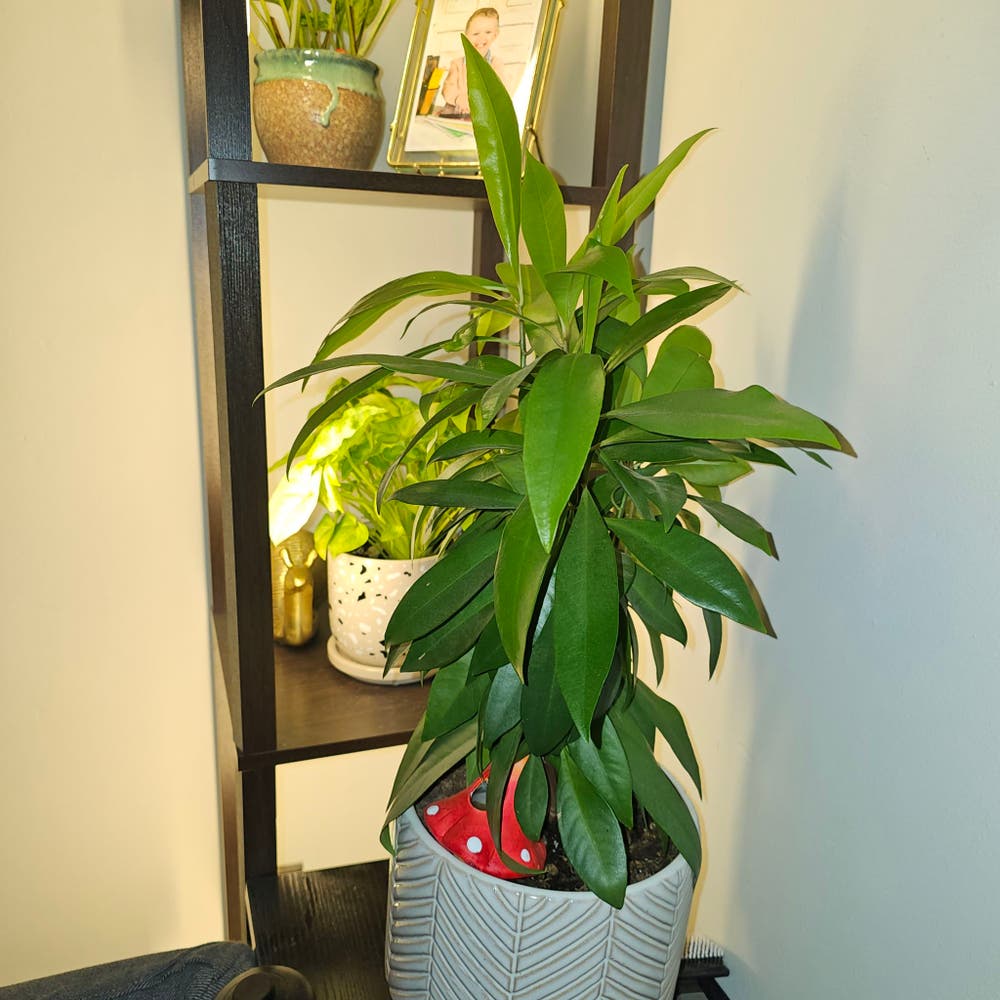
🌴 Key Stages in the Life of a Island Marlberry
Ardisia escallonioides
By the Greg Editorial Team
Sep 30, 2024•5 min read
This article was created with the help of AI so we can cover more plants for you. May contain errors. See one? Report it here.
Nurture the Island Marlberry from seed to stunning maturity 🌱, enriching your garden and supporting local ecosystems!
- 🌱 Island Marlberry germinates best in 20°C to 30°C temperatures with consistent moisture.
- 🌼 Flowering occurs in late spring, producing fragrant, insect-pollinated blooms for 2-4 weeks.
- 🌳 Maturity takes 3-5 years, reaching heights of 3-5 meters and stabilizing coastal soils.
Germination Stage
🌱 Conditions for Germination
To kick off the life of an Island Marlberry, the right conditions are crucial. The optimal temperature range for germination is between 20°C to 30°C (68°F to 86°F), which creates a cozy environment for the seeds.
Soil moisture is another key player. It should be consistently moist but not waterlogged, as excess water can drown the seeds. Additionally, a bit of light exposure can enhance the germination process, giving those seeds a gentle nudge to sprout.
⏳ Duration of Germination
Typically, germination takes about 2-4 weeks. However, this duration can vary based on several factors.
Soil temperature, moisture levels, and seed viability all influence how quickly the seeds will sprout. Keeping these conditions in check can lead to a successful germination phase, setting the stage for the next exciting stages of growth.
As we move forward, let’s explore what happens during the Seedling Stage.
Seedling Stage
Characteristics of Seedlings 🌱
During the seedling stage, Island Marlberry plants typically reach an initial height of 5-15 cm (2-6 inches). Their small, simple leaves begin to develop, setting the foundation for future growth.
The root system is crucial at this stage, featuring a developing taproot and lateral roots that provide stability. This strong foundation is essential for the plant's survival as it transitions to more challenging growth phases.
Duration of Seedling Growth ⏳
Seedlings take about 4-6 months to establish themselves fully. This duration can vary based on environmental factors, particularly light availability and soil nutrients.
Adequate sunlight and nutrient-rich soil can significantly enhance growth, ensuring the seedlings thrive. As they grow, these young plants prepare for the next exciting stages of their life cycle.
Vegetative Growth Stage
Growth Patterns and Changes 🌱
During the vegetative growth stage, the Island Marlberry enters a rapid growth phase. In its first year, it can reach heights of up to 1 meter (3 feet).
As it grows, the plant develops larger and more complex leaves. This leaf development is crucial for photosynthesis, allowing the plant to harness energy efficiently.
Branching also begins during this stage, leading to a bushier appearance. This not only enhances the plant's aesthetic but also increases its ability to capture sunlight.
Duration of Vegetative Growth ⏳
The duration of this growth stage typically spans 1 to 3 years. This timeframe can vary based on environmental conditions.
Factors such as soil quality and water availability significantly influence the growth rate. Well-drained sandy soils and consistent moisture levels can accelerate the Marlberry's development.
In summary, the vegetative growth stage is vital for establishing a strong foundation for the Island Marlberry. As it grows, it prepares for the next stages of its life cycle, setting the stage for flowering and seed production.
This transition is essential for the plant's reproductive success and ecological role.
Flowering and Seed Production Stage
🌸 Flower Characteristics and Pollination
The Island Marlberry produces small, fragrant flowers that range from white to pale yellow. These blooms are primarily insect-pollinated, drawing in local pollinators that play a crucial role in the plant's reproductive success.
⏳ Duration of Flowering
Flowering lasts about 2 to 4 weeks during the growing season. This stage typically occurs in late spring to early summer, marking a vibrant period in the plant's life cycle.
🍇 Seed Development and Dispersal
After flowering, the plant develops small, round, and edible berries that are attractive to wildlife. These berries are primarily dispersed by birds and other animals that consume them, ensuring the continuation of the species.
📅 Duration of Seed Production
The seed maturation process takes about 1 to 2 months following flowering. This usually occurs in late summer to early fall, completing the cycle of growth and reproduction.
As the Island Marlberry transitions from flowering to seed production, it plays a vital role in its ecosystem, providing food and habitat for various wildlife. This stage not only signifies the plant's reproductive phase but also sets the stage for the next generation.
Growth Rate and Maturation
How Long Until Fully Grown? 🌱
The Island Marlberry typically reaches full maturity in 3-5 years. At this stage, it can grow to a height of 3-5 meters (10-16 feet), showcasing its impressive stature.
Factors Affecting Growth Rate 🌍
Several factors influence the growth rate of the Island Marlberry:
- Soil Type: It thrives best in well-drained sandy soils, which facilitate root development.
- Salinity Tolerance: This plant can flourish in saline conditions, making it ideal for coastal environments.
- Climate: Tropical and subtropical climates significantly boost its growth rate, allowing it to reach its potential more quickly.
Notable Changes Throughout Life Cycle 🌿
As the Island Marlberry progresses through its life stages, several notable changes occur:
- Germination: The seed coat softens, allowing roots to emerge.
- Seedling: Initial leaf and root development sets the foundation for future growth.
- Vegetative: Height increases rapidly, and branching begins, creating a bushier appearance.
- Flowering: The plant produces flowers, leading to fruiting and seed development.
Ecological Significance of Changes 🌊
The growth and maturation of the Island Marlberry play a vital role in local ecosystems:
- Role in Local Ecosystems: It provides essential food for wildlife and helps stabilize coastal soils, preventing erosion.
- Adaptations: Its resilience to saline conditions allows it to thrive in harsh environments, contributing to biodiversity.
Understanding these stages not only highlights the beauty of the Island Marlberry but also emphasizes its importance in maintaining ecological balance. As we explore the next section, we’ll delve into the fascinating flowering and seed production stage, revealing how this plant continues its life cycle.
⚠️ Safety First
This content is for general information and may contain errors, omissions, or outdated details. It is not medical, veterinary advice, or an endorsement of therapeutic claims.
Always consult a qualified healthcare professional before using any plant as food, medicine, or supplement.
Never eat any plant (or feed one to pets) without confirming its identity with at least two trusted sources.
If you suspect poisoning, call Poison Control (800) 222-1222, the Pet Poison Helpline (800) 213-6680, or your local emergency service immediately.
Spotted an error? Please report it here.
Unlock the secrets of the Island Marlberry's growth stages 🌿 and let Greg guide you with tailored care tips to create the perfect environment for your plants to thrive!