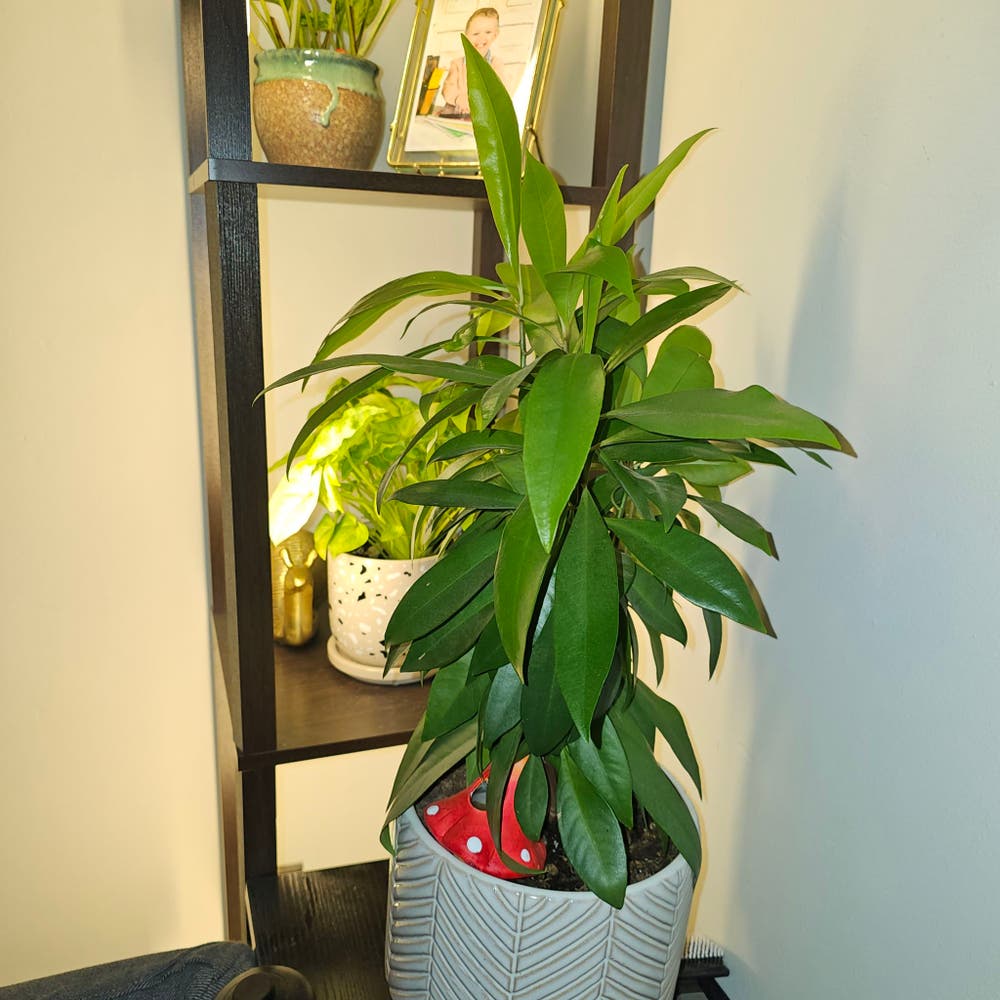
🍃 Why Is My Island Marlberry Dropping Leaves?
Ardisia escallonioides
By the Greg Editorial Team
Mar 05, 2024•4 min read
This article was created with the help of AI so we can cover more plants for you. May contain errors. See one? Report it here.
Prevent a leafy letdown 🍂 by discovering how to keep your Island Marlberry thriving with expert care tips.
- 🍂 Sudden leaf drop signals stress, watch for dramatic changes.
- 💧 Water wisely: Over or underwatering can harm roots.
- 🐛 Pests and nutrients matter, monitor and adjust care accordingly.
Spot the Signs: Recognizing Leaf Drop in Island Marlberry
🍃 Visual Symptoms and Early Warnings
Island Marlberry plants are communicative; they show distress through their leaves. Spots, discoloration, or any unusual markings are your first hint that something's amiss. Leaves that detach too easily or exhibit a droopy, lifeless demeanor are sending an SOS. It's crucial to inspect regularly, getting up close and personal with your plant to catch these early warnings.
🌿 Seasonal Patterns and Normal Leaf Lifespan
Leaf drop can be as predictable as the tides, with seasonal shedding being part of the Island Marlberry's natural rhythm. Typically, older leaves make their graceful exit to make room for new growth. However, if you notice a deviation from this pattern or a sudden increase in leaf loss, it's time to raise an eyebrow and investigate further.
🍂 When to Worry: Unusual Leaf Drop
When your Island Marlberry's leaf drop is more dramatic than a season finale cliffhanger, it's a cause for concern. Leaves falling en masse, or new foliage hitting the deck, are clear indicators of stress. Be on the lookout for leaves that are too soft, too brittle, or showing signs of pests. These are not just quirks; they're red flags that demand immediate attention.
Root of the Problem: Identifying Causes of Leaf Drop
💦 Too Much Love: The Perils of Overwatering
Overwatering can suffocate your Island Marlberry's roots, leading to a soggy demise. If the soil feels like it's holding more water than a camel's hump, it's time to back off the watering can.
🏜️ Thirsty Roots: How Underwatering Takes a Toll
On the flip side, underwatering turns your plant into a parched tumbleweed. Dry, brittle soil is a cry for hydration. Remember, your plant's not a cactus; it needs a regular drink.
🌡️ Feeling the Heat: Temperature and Humidity Stress
Your Island Marlberry isn't a fan of sauna-like heat or desert dryness. Aim for a Goldilocks zone of temperature and humidity—comfortable, not extreme.
🍽️ Hungry for Nutrients: Spotting Deficiencies
Yellowing leaves might signal your plant is starving for nutrients. It's not just being picky; it's lacking the essentials. A balanced diet is key.
🐜 Unwanted Guests: Dealing with Pest Infestations
Lastly, pests are like uninvited party crashers. They'll nibble away at your plant's health. Keep an eye out for these tiny trespassers and show them the door.
Turn Over a New Leaf: Solutions for a Healthier Plant
💧 Fine-Tuning Watering Habits
Consistency is key. Establish a watering schedule that caters to the Island Marlberry's need for a slightly dry period between waterings. Use room-temperature water to avoid root shock. Water directly at the base to prevent leaf issues, and adjust for seasonal changes—less in the cooler months.
🌿 Creating a Stable Environment
Your Island Marlberry craves stability. Ensure adequate airflow to deter pests and diseases. A gentle fan can simulate a natural breeze. Consider the pot's location; it should offer room for growth and not be crammed in a corner. Seasonal shifts? Adapt your care routine to maintain a consistent environment.
🍽️ Feeding Your Island Marlberry Right
Fertilization is not a "dump and forget" deal. Water before feeding to protect the roots. Think of fertilizer as a supplement, not a meal—less is more. Use a balanced, slow-release formula to nourish your plant without overwhelming it.
🐜 Natural and Chemical Pest Control Strategies
Start with natural defenses: encourage beneficial insects and use physical barriers. If pests persist, insecticidal soap or a dab of rubbing alcohol can help. For diseases, reduce watering and improve drainage. Prune when necessary. Only as a last resort, turn to chemical solutions, applying them with care to avoid harming the plant or the environment.
When to Call for Backup: Seeking Professional Help
🚨 Signs That It's Time to Consult an Expert
When your Island Marlberry starts resembling a Charlie Brown Christmas tree, it's time to dial up the experts. Persistent problems that laugh in the face of your care routine are a red flag. If you've played the watering game to perfection and your plant still throws a tantrum, something's up. Rapid decline or a leaf-drop apocalypse? Get on the phone.
Resources and Support for Island Marlberry Care
Don't be a hero; there's no medal for going it alone. Tap into the local cooperative extensions for a brain trust of plant wisdom. An ISA certified arborist isn't just a fancy title—they're your plant's personal detective, ready to crack the case. Online forums and apps like PictureThis are your digital hotline to botanical first responders. And for the love of foliage, if your plant's in the ICU, consult a professional before you're left with a twig.
⚠️ Safety First
This content is for general information and may contain errors, omissions, or outdated details. It is not medical, veterinary advice, or an endorsement of therapeutic claims.
Always consult a qualified healthcare professional before using any plant as food, medicine, or supplement.
Never eat any plant (or feed one to pets) without confirming its identity with at least two trusted sources.
If you suspect poisoning, call Poison Control (800) 222-1222, the Pet Poison Helpline (800) 213-6680, or your local emergency service immediately.
Spotted an error? Please report it here.
Ensure your Island Marlberry stays leafy and lush 🍃 with Greg's personalized care plans that prevent overwatering and pest woes, keeping leaf drop at bay.