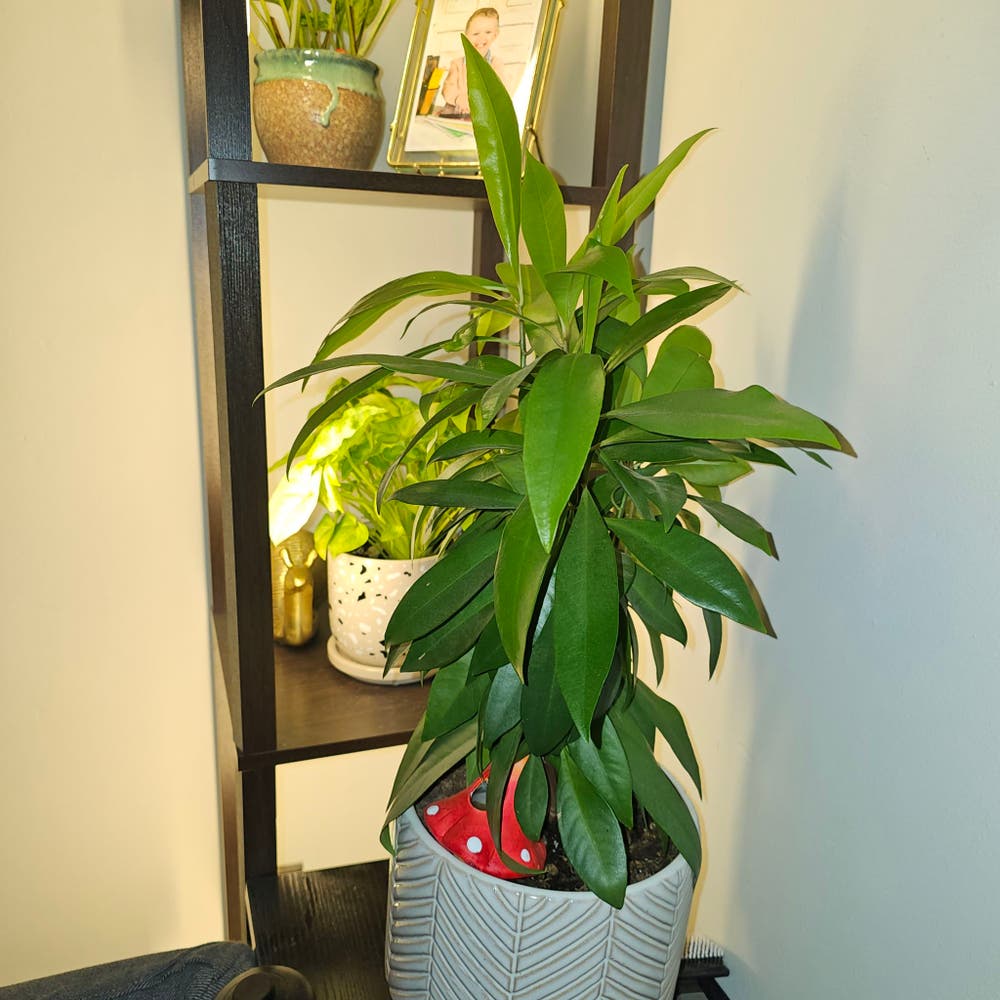
🍓 Ultimate Guide to Marlberry
Ardisia escallonioides
By the Greg Editorial Team
Jan 24, 2025•13 min read
This article was created with the help of AI so we can cover more plants for you. May contain errors. See one? Report it here.
Elevate your garden with Marlberry 🌿—a stunning plant that brings beauty, nutrition, and ecological harmony! 🌱
- 🌞 Marlberry thrives in full sun to partial shade, perfect for diverse garden settings.
- 🌱 Optimal soil is well-drained and fertile, with a pH of 6.0 to 7.0.
- 🍇 Marlberry offers edible berries and supports biodiversity in your garden.
How to Grow
🌍 Choosing a location
Selecting the right location for your Marlberry is crucial. These plants thrive in full sun to partial shade, making them versatile for various garden settings.
For optimal growth, aim for tropical and subtropical climates. If you're considering container growing, think about how much sunlight your chosen spot receives throughout the day.
🏗️ Soil preparation
Marlberries prefer well-drained, fertile soil to flourish. Aim for a soil pH between 6.0 and 7.0, which is slightly acidic to neutral.
To enhance soil quality, incorporate organic matter. This will improve drainage and boost fertility, setting your plants up for success.
🌱 Planting
The best time to plant Marlberries is in spring or early summer. When planting, ensure they are set at the same depth as they were in their nursery container.
Space your plants 3-5 feet apart to allow for optimal growth. This spacing helps prevent overcrowding and promotes healthy air circulation.
💧 Watering and fertilizing
Regular watering is essential to maintain consistent moisture in the soil. Aim to keep the soil evenly moist, but avoid waterlogging.
During the growing season, apply a balanced fertilizer every 4-6 weeks. This will provide the nutrients your Marlberries need to thrive.
✂️ Pruning and ongoing care
Light pruning is beneficial for maintaining the shape of your Marlberry and removing any dead wood. Regularly check your plants for pests and diseases to ensure they stay healthy.
Ongoing care is key to a thriving garden. Stay vigilant and address any issues promptly.
🏡 Outdoor vs. container growing
When growing Marlberries in containers, consider the size of the pot, ensuring it has adequate drainage holes. Mobility is another advantage of container growing, allowing you to reposition your plants as needed.
On the other hand, outdoor growing offers natural conditions that can enhance growth and attract wildlife. Each method has its benefits, so choose what works best for your gardening style.
With these tips, you're well on your way to cultivating healthy Marlberries. Next, let's explore how to propagate these delightful plants!
Propagation
🌱 Methods
Propagation of Marlberry can be achieved through two primary methods: seed propagation and cutting propagation. Each method has its own unique steps and benefits, making it easy for gardeners to choose the best approach for their needs.
🌾 Seed Propagation
Seed propagation is a straightforward method that allows you to grow new plants from seeds.
Soak Seeds: Begin by soaking the seeds in water for 24 hours before planting. This helps to soften the seed coat and promotes germination.
Planting Depth: Next, plant the seeds about 1/4 inch deep in a seed-starting mix. This depth ensures they have enough soil coverage to germinate effectively.
Moisture Maintenance: Keep the soil consistently moist until germination occurs, which typically takes 2-4 weeks. Regularly check the moisture level to avoid drying out the seeds.
✂️ Cutting Propagation
Cutting propagation is another effective way to grow Marlberry, especially if you want to replicate a specific plant.
Select Cuttings: Choose healthy 4-6 inch cuttings from the parent plant. Look for vigorous stems that are free from disease.
Rooting Hormone: Dip the cut end of the cuttings in rooting hormone. This step encourages root development and increases the chances of successful propagation.
Planting and Humidity: Plant the cuttings in a well-draining medium and maintain high humidity around them until roots develop, which usually takes about 4-6 weeks. You can cover them with a plastic bag or a humidity dome to help retain moisture.
By following these methods, you can successfully propagate Marlberry and expand your garden with this delightful plant. Now that you know how to propagate, let’s explore the lifecycle of Marlberry and what to expect as it grows.
Lifecycle
Overview 🌱
Marlberry is a perennial plant, meaning it can thrive for multiple years, providing you with a consistent harvest. This longevity makes it a valuable addition to any garden.
Stages to maturity 🌿
The lifecycle of Marlberry includes several key stages:
- Germination: Seeds typically germinate within 2-4 weeks.
- Seedling stage: After germination, seedlings take about 4-6 weeks to develop true leaves.
- Vegetative growth: This stage lasts 2-3 months, characterized by rapid growth as the plant establishes itself.
- Flowering: Expect flowering to occur in late spring to summer, bringing vibrant blooms to your garden.
- Seed production: Following flowering, berries develop, completing the cycle.
Growth timeline ⏳
From seed to full maturity, Marlberry takes approximately 2-3 years. This timeline allows for a robust growth process, ensuring that your plant is well-established and ready to produce.
Understanding the lifecycle of Marlberry not only helps in planning your garden but also enhances your appreciation for this resilient plant. Next, we will explore the size of the Marlberry, including its mature dimensions and growth rate.
Size
Mature dimensions 🌳
Marlberry plants can reach impressive heights of 3 to 6 feet, making them a striking addition to any garden. Their spread typically ranges from 3 to 5 feet, allowing for a lush, full appearance.
Growth rate 📈
Under optimal conditions, expect a moderate growth rate of 1 to 2 feet per year. This steady growth makes Marlberry a rewarding choice for gardeners looking to enhance their landscape over time.
Size variability 📏
Several factors influence the size of your Marlberry plant. Soil quality, sunlight exposure, and water availability all play crucial roles in determining how robust your plant will become.
Understanding these variables can help you create the ideal environment for your Marlberry to thrive. With the right care, you can enjoy a vibrant and healthy plant that adds beauty and functionality to your garden.
As we explore the next section, we'll delve into the roots of the Marlberry and how their characteristics contribute to the plant's overall health and growth.
Roots
Characteristics 🌱
Marlberry plants feature a fibrous root system that is essential for their stability and nutrient uptake. These roots are typically shallow but can spread extensively, allowing the plant to access moisture and nutrients efficiently.
Growth patterns 🌿
The roots can extend 2-3 feet from the base of the plant, creating a robust network that supports healthy growth. This spread helps the plant adapt to varying soil conditions and enhances its resilience.
Common issues ⚠️
One of the most common problems with Marlberry roots is root rot, often caused by overwatering. To prevent this, ensure proper drainage in your planting medium.
Healthy vs. unhealthy roots 🥴
Healthy roots are firm, white, and spread throughout the soil, indicating a thriving plant. In contrast, unhealthy roots appear dark, mushy, or may emit a foul smell, signaling distress.
Recognizing rootbound plants 🔄
If you notice roots growing out of drainage holes or circling the pot, your Marlberry may be rootbound. To remedy this, consider repotting into a larger container or planting it directly in the ground for more space to grow.
Understanding the root system of your Marlberry is crucial for its overall health and productivity. With proper care, you can ensure your plant thrives and produces abundant berries.
Benefits
Top 5 benefits 🌟
Marlberry offers a range of benefits that make it a fantastic addition to any garden. Here are the top five reasons to consider growing this remarkable plant:
Edible berries: The nutrient-rich berries are not only delicious but also attract various wildlife, enhancing your garden's ecosystem.
Soil stabilization: With its fibrous root system, Marlberry helps prevent soil erosion, making it a great choice for maintaining healthy landscapes.
Aesthetic appeal: The glossy foliage adds a touch of beauty to your garden, creating a lush and inviting atmosphere.
Cultural significance: Marlberry has a place in traditional cuisine and medicine, connecting you to cultural practices and flavors.
Biodiversity support: This plant attracts pollinators and beneficial insects, promoting a thriving garden environment.
Incorporating Marlberry into your garden not only enriches your space but also contributes positively to the surrounding ecosystem. With its numerous benefits, it's clear why this plant deserves a spot in your outdoor haven.
Next, let's explore the concept of companion planting and how it can enhance your gardening experience.
Companion Plants
🌱 Concept and benefits
Companion planting is a fantastic way to enhance your garden's diversity while improving pest management. By strategically pairing plants, you can create a thriving ecosystem that supports healthy growth and deters unwanted pests.
🌼 Best companions
When it comes to Marlberry, consider planting it alongside basil, marigolds, and other native plants. These companions not only share similar care needs but also attract beneficial insects that can help keep pests at bay.
🚫 Plants to avoid
On the flip side, steer clear of plants that require excessive moisture or compete for nutrients. Such plants can hinder the growth of your Marlberry and lead to unnecessary stress on both species.
By choosing the right companions, you can create a harmonious garden that benefits all its inhabitants. This thoughtful approach not only boosts your Marlberry's health but also enriches your gardening experience.
Toxicity to Humans
Safety overview 🛡️
Marlberry is generally considered safe for humans, as it is not listed as toxic by major poison control centers. However, it's wise to be cautious; consuming large quantities may lead to mild skin irritation or digestive discomfort.
Cautionary advice ⚠️
If you experience any unusual symptoms after contact or consumption, seek medical advice promptly. Always prioritize safety and stay informed about the plants you interact with.
This knowledge empowers you to enjoy the benefits of Marlberry while minimizing any potential risks. Now that you understand its safety profile, let’s explore how it interacts with our furry friends!
Toxicity to Dogs
Safety overview 🐶
Marlberry is not listed as toxic by major pet poison control centers, making it a relatively safe choice for dog owners. However, if your furry friend indulges in large quantities, you might notice mild gastrointestinal upset.
Monitoring and placement tips 🏡
To keep your dog safe, consider the placement of your Marlberry plants. Ensure they are in areas that are less accessible to your pets, and always monitor their behavior around new plants.
Conclusion 📝
While Marlberry poses minimal risk to dogs, a little caution goes a long way. Keeping an eye on your pets will help you enjoy your garden without worry, allowing you to focus on the beauty and benefits of your Marlberry plants.
Next, let’s explore the potential toxicity of Marlberry to cats.
Toxicity to Cats
Safety overview 🐱
Marlberry is not listed as toxic by major pet poison control centers, making it a relatively safe choice for cat owners. However, if your feline friend indulges in large quantities, they might experience mild gastrointestinal upset.
Monitoring and placement tips 🏡
To keep your cat safe, consider the placement of your Marlberry plants. Position them in areas that are less accessible to your curious pets.
Observing behavior 👀
Keep an eye on your cat's behavior around the plants. If you notice any unusual symptoms after they’ve been near the Marlberry, consult a veterinarian for peace of mind.
Conclusion 📝
With proper care and monitoring, you can enjoy the beauty of Marlberry without worrying about your cat's health. Next, let’s explore common problems that may arise while growing this delightful plant.
Problems
Common Issues 🌱
Growing Marlberry can be rewarding, but it comes with its share of challenges. Here are some common issues you might encounter:
Incorrect Watering: Overwatering can lead to root rot, while underwatering causes wilting. Look for signs like yellowing leaves or a droopy appearance to gauge your watering habits.
Incorrect Light Conditions: Marlberry thrives in full sun to partial shade. If you notice leaf scorch or leggy growth, it may be a sign that your plant isn't getting the right amount of light.
Diseases: Fungal diseases such as powdery mildew and blight can affect your plant's health. Keep an eye out for white powdery spots or dark patches on leaves.
Root Problems: Root rot manifests as mushy roots, indicating overwatering. Ensure your plant has proper drainage to avoid this issue.
Leaf Issues: Yellowing leaves or fuzzy growth can signal nutrient deficiencies or pest problems. Regularly inspect your plant to catch these symptoms early.
Identifying Symptoms and Solutions 🔍
Understanding the symptoms of these problems is key to effective management.
Incorrect Watering: If your plant's leaves are yellowing or wilting, adjust your watering schedule. Aim for consistent moisture without waterlogging the soil.
Incorrect Light Conditions: If you see scorched leaves, consider relocating your plant to a spot with more shade. Conversely, if it's leggy, move it to a sunnier area.
Diseases: For fungal issues, remove affected leaves and apply a fungicide if necessary. Ensure good air circulation around your plant to prevent recurrence.
Root Problems: Check the roots if you suspect rot. Trim away any unhealthy roots and repot in fresh, well-draining soil.
Leaf Issues: Address yellowing by assessing your fertilization routine. If pests are present, treat them promptly with appropriate methods.
By recognizing these common problems and their symptoms, you can keep your Marlberry thriving. Next, let’s explore the potential pests that could threaten your plant’s health.
Bugs
🐜 Potential Pest Issues
Marlberry plants can face various pest challenges, but they also exhibit some resistance to certain insects. Understanding their susceptibility helps in managing these potential threats effectively.
🔍 Identification and Damage
Common pests that may target Marlberry include:
- Spider Mites: Tiny and often invisible, they cause stippling on leaves.
- Aphids: These small, soft-bodied insects cluster on new growth, leading to curling leaves.
- Mealybugs: Recognizable by their white, cottony appearance, they suck sap and weaken the plant.
Identifying these pests early is crucial to prevent significant damage.
🛠️ Treatment Options
When it comes to managing pests, both organic and chemical methods can be effective. Here are some options:
- Organic Control: Introduce beneficial insects like ladybugs or use insecticidal soap to target pests without harming the environment.
- Chemical Control: For severe infestations, consider using neem oil or other pesticides specifically labeled for the pests affecting your Marlberry.
Regular monitoring and prompt action can keep your plants thriving and pest-free.
With a proactive approach, you can enjoy the beauty and benefits of your Marlberry without the worry of pest damage. Next, let's explore what animals might be interested in snacking on your plants.
What Eats
🦌 Common Animals
Marlberry plants can attract a variety of wildlife. Common culprits include deer, rabbits, squirrels, and rodents, all of which may find the berries and foliage irresistible.
🔍 Signs of Presence and Damage
Identifying animal damage is crucial for protecting your Marlberry. Look for signs such as:
- Chewed Leaves: Jagged edges or missing sections indicate nibbling.
- Trampled Soil: Disturbed earth around the base can signal animal activity.
- Droppings: Animal droppings near the plant can help identify the culprit.
🚫 Deterrent Methods
To safeguard your Marlberry, consider both chemical and organic deterrent methods. Here are some effective strategies:
- Fencing: A sturdy fence can keep larger animals like deer at bay.
- Repellents: Use commercial animal repellents or homemade solutions like garlic spray to deter pests.
- Companion Planting: Surround your Marlberry with plants that naturally repel certain animals, enhancing your garden's defenses.
By being proactive and observant, you can protect your Marlberry from hungry visitors while enjoying its beauty and benefits.
⚠️ Safety First
This content is for general information and may contain errors, omissions, or outdated details. It is not medical, veterinary advice, or an endorsement of therapeutic claims.
Always consult a qualified healthcare professional before using any plant as food, medicine, or supplement.
Never eat any plant (or feed one to pets) without confirming its identity with at least two trusted sources.
If you suspect poisoning, call Poison Control (800) 222-1222, the Pet Poison Helpline (800) 213-6680, or your local emergency service immediately.
Spotted an error? Please report it here.
Grow a thriving Marlberry 🌿 with Greg's personalized watering reminders and tailored care plans to ensure your plant flourishes and produces delicious berries!