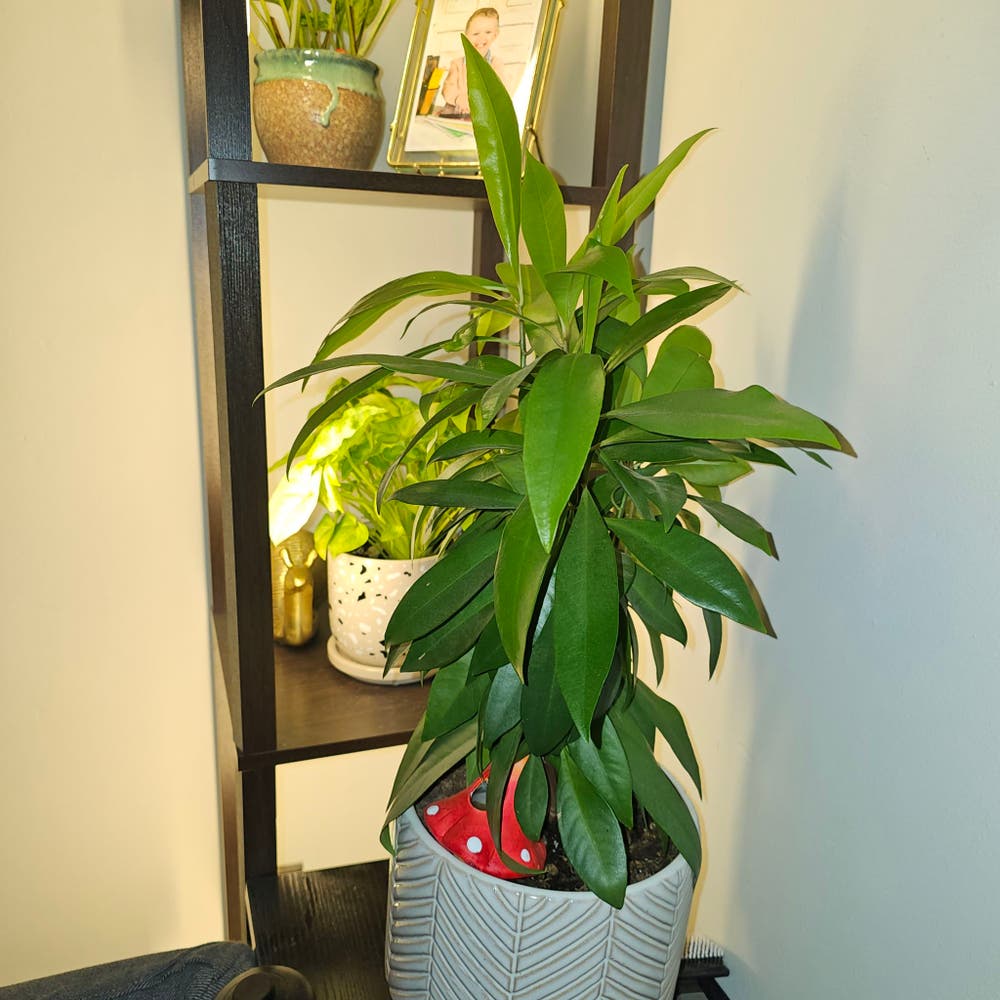
Island Marlberry Is a Garden Plant, Not a Weed 🍹
Ardisia escallonioides
By the Greg Editorial Team
Sep 30, 2024•5 min read
This article was created with the help of AI so we can cover more plants for you. May contain errors. See one? Report it here.
Create a wildlife-friendly garden 🌿 with Island Marlberry, a beautiful and sustainable choice for any landscape!
- 🌱 Island Marlberry enhances ecosystems, unlike invasive species that disrupt local habitats.
- 🌿 This adaptable shrub thrives in various conditions, making it perfect for diverse gardens.
- 🐦 Supports wildlife by providing food and shelter, boosting local biodiversity.
Plant Classification
Definition of Invasive Species 🌱
Invasive species are plants that exhibit rapid growth and aggressive spreading. They often disrupt local ecosystems, outcompeting native flora and causing ecological imbalance.
Island Marlberry, however, does not fit this mold. Its growth is manageable, and it positively contributes to local ecosystems, making it a valuable addition to gardens rather than a threat.
Characteristics of Island Marlberry 🌿
This shrub typically reaches a moderate height, with limited spread potential. Its growth habit allows it to thrive without overwhelming neighboring plants.
One of the standout features of Island Marlberry is its adaptability. It tolerates various soil types and conditions, making it suitable for a wide range of garden settings. This resilience ensures that gardeners can enjoy its benefits without constant worry about its growth.
With its manageable nature and positive ecological role, Island Marlberry is a fantastic choice for those looking to enhance their gardens sustainably. This sets the stage for exploring its growth habits in the next section.
Growth Habits
Typical Growth Patterns in Gardens 🌱
Island Marlberry exhibits a moderate growth rate, which can vary with the seasons. Its dense foliage is complemented by small, attractive berries that add charm to any garden.
Natural Limits to Growth 🌍
Several environmental factors influence its growth, including soil quality, moisture levels, and sunlight exposure. In managed gardens, its growth behavior is characterized by limited spread, making it easy to control.
Spread Potential and Management ✂️
The natural spread of Island Marlberry occurs primarily through seed dispersal by wildlife. To maintain its desired size and shape, regular pruning and monitoring are effective management strategies that are easy to implement.
Incorporating Island Marlberry into your garden not only enhances its beauty but also simplifies maintenance. With its manageable growth and ecological benefits, it’s a fantastic choice for any garden enthusiast.
Ecological Role
Benefits to Local Wildlife 🐦
Island Marlberry serves as a vital food source for local wildlife. Its small, attractive berries draw in birds and other creatures, significantly enhancing local biodiversity.
The dense foliage of the shrub also provides essential shelter for small animals. This creates a thriving habitat that supports various species, contributing to a balanced ecosystem.
Interactions with Other Plants 🌱
Island Marlberry thrives alongside native plants, forming beneficial symbiotic relationships. These interactions help maintain a healthy garden environment.
Moreover, the plant plays a crucial role in promoting soil health and nutrient cycling. By supporting these processes, Island Marlberry contributes to the overall vitality of the ecosystem.
As you consider the ecological benefits of Island Marlberry, think about how it can enhance your garden while supporting local wildlife. Next, let’s explore how to effectively incorporate this plant into your garden designs.
Garden Management
Incorporating Island Marlberry into Garden Designs 🌿
When planning your garden, consider the placement of Island Marlberry carefully. This shrub thrives when positioned alongside other plants that complement its moderate height and dense foliage.
Seasonal interest is another key factor. Island Marlberry offers vibrant foliage and attractive berries throughout the year, making it a visually appealing choice for any garden.
Practical Growth Control Methods ✂️
To maintain the desired size and shape of your Island Marlberry, regular pruning is essential. Aim to prune during the dormant season to encourage healthy growth and prevent overexpansion.
Monitoring growth is equally important. Regular checks will help ensure that the shrub remains within its intended boundaries, allowing you to enjoy its beauty without it becoming unruly.
Incorporating Island Marlberry into your garden not only enhances its aesthetic appeal but also supports local wildlife. With proper management, you can create a thriving ecosystem right in your backyard.
Comparison to Other Plants
🌱 Similar Non-Invasive Plants
When considering non-invasive plants for your garden, Blueberry and Serviceberry are excellent choices. Both offer delicious fruits and contribute positively to local ecosystems, much like Island Marlberry.
Blueberries thrive in acidic soils and provide a rich food source for birds and other wildlife. Their bushy growth habit creates a dense cover, making them a great addition to any garden.
Serviceberries, on the other hand, are known for their stunning spring blooms and sweet, edible berries. They attract pollinators and provide habitat for various species, enhancing biodiversity in your garden.
🍇 Unique Qualities of Island Marlberry
Island Marlberry stands out with its unique features, including its edible berries and adaptability to various soil types. This shrub not only attracts wildlife but also thrives in diverse conditions, making it a versatile choice for gardeners.
In garden settings, Island Marlberry offers year-round interest with its dense foliage and seasonal berry production. Its manageable growth makes it easy to incorporate alongside other plants, ensuring a vibrant and healthy garden ecosystem.
As you explore your gardening options, consider how Island Marlberry can complement your landscape while providing ecological benefits. Its distinct qualities make it a valuable addition to any non-invasive plant collection.
Legal and Environmental Considerations
Relevant Classifications and Guidelines 🌱
Understanding local regulations is crucial when planting native species like Island Marlberry. These guidelines help ensure that your gardening efforts contribute positively to the environment.
Island Marlberry is not classified as an invasive species, which is a significant advantage. It’s essential to be aware of local invasive species lists to avoid unintentional harm to local ecosystems.
Sustainable Gardening Practices 🌍
Incorporating native plants into your garden is a cornerstone of sustainable gardening. Native species, including Island Marlberry, support local wildlife and promote biodiversity.
Island Marlberry plays a vital role in enhancing ecological health. By choosing this plant, you’re not just beautifying your garden; you’re also fostering a thriving environment for various species.
Transitioning to sustainable practices can be both rewarding and beneficial, making your garden a haven for wildlife while adhering to environmental guidelines.
⚠️ Safety First
This content is for general information and may contain errors, omissions, or outdated details. It is not medical, veterinary advice, or an endorsement of therapeutic claims.
Always consult a qualified healthcare professional before using any plant as food, medicine, or supplement.
Never eat any plant (or feed one to pets) without confirming its identity with at least two trusted sources.
If you suspect poisoning, call Poison Control (800) 222-1222, the Pet Poison Helpline (800) 213-6680, or your local emergency service immediately.
Spotted an error? Please report it here.
Transform your garden with the vibrant Island Marlberry 🌿 and let Greg provide tailored care tips to help it thrive while attracting local wildlife!