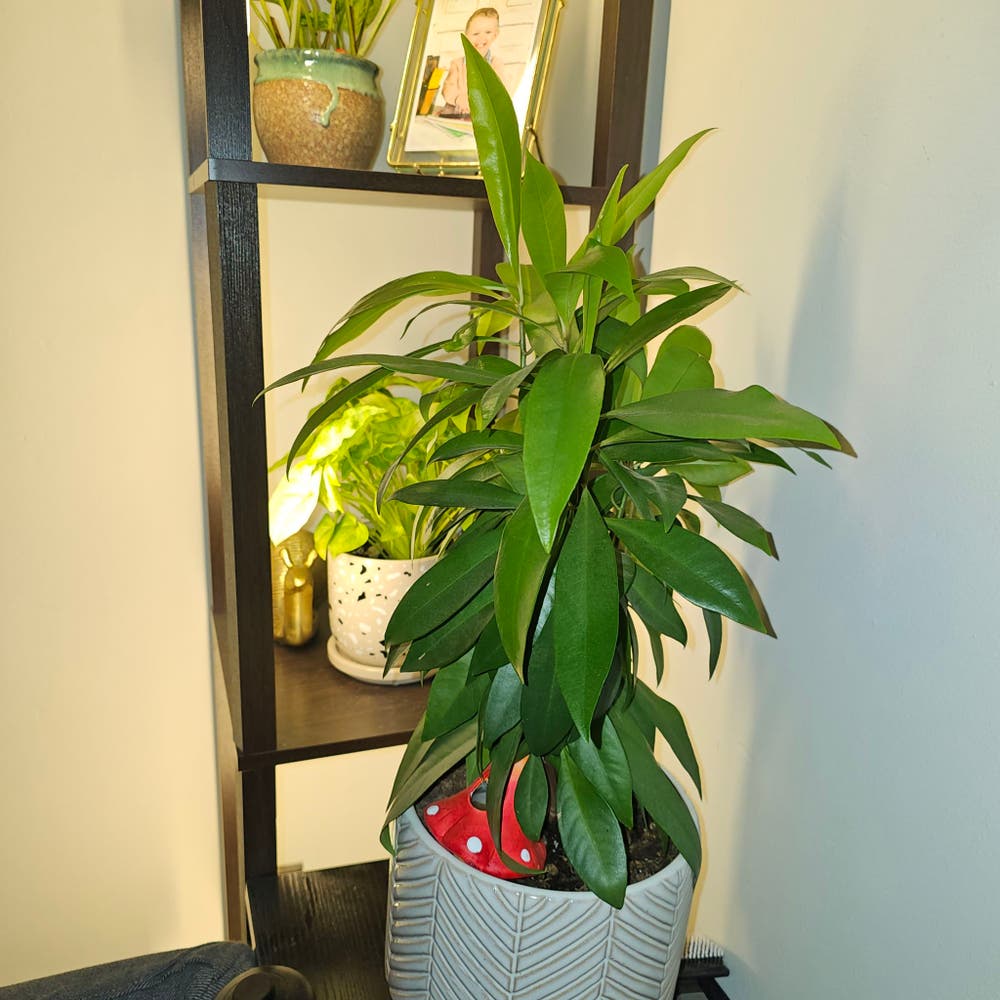
Fertilizing My Island Marlberry
Ardisia escallonioides
By the Greg Editorial Team
Mar 05, 2024•4 min read
This article was created with the help of AI so we can cover more plants for you. May contain errors. See one? Report it here.
Elevate your Marlberry's bloom with smart, timely fertilization tips! 🌺
- 🌱 Fertilize in spring and summer for growth and blooms.
- Balanced N-P-K ratio and micronutrients are key for Marlberry health.
- Watch for over-fertilization signs, flush with water if needed.
Timing is Everything: When to Fertilize
🌱 Seasonal Smarts: Best Times to Boost Nutrients
Spring is the alarm clock for your Island Marlberry, signaling it's time to feed. Fertilize as new growth appears, typically around March, to kickstart the season.
Summer demands a steady hand with the fertilizer to support the Marlberry's active phase. It's like keeping the pantry stocked for a hungry teenager.
🌿 Reading the Signs: Plant Cues for Fertilizer Timing
New growth is your green light for fertilization. When your Marlberry pushes out fresh foliage, it's ready for nutrients.
After the blooms have faded, it's time for post-flowering finesse. This is when you adjust your fertilizing strategy to support ongoing health and prep for the next growth cycle.
Choosing Your Green Thumb Ammo: Selecting the Right Fertilizer
💡 NPK: The Magic Numbers for Marlberry
Balancing Act: Finding the Perfect Fertilizer Formula for your Island Marlberry isn't just a matter of picking any bag off the shelf. It's about understanding the N-P-K ratio—nitrogen, phosphorus, and potassium. These are the building blocks of plant nutrition, each playing a distinct role. Nitrogen is for lush, green growth, phosphorus for robust root development and stunning blooms, and potassium for overall plant health and disease resistance. Aim for a balanced fertilizer that caters to the growth stage of your Marlberry.
Slow and Steady Wins the Race: Why Slow-Release Works Wonders for Island Marlberry. These fertilizers are like a time capsule, gradually dispensing nutrients, reducing the risk of over-fertilization, and providing a steady diet for your plants. They mimic the natural way plants receive nutrients from decomposing organic matter in the soil. This method is less labor-intensive as it reduces the frequency of application, making it a favorite for the busy gardener.
🍽️ Micro Matters: The Tiny Nutrients with Big Impact
Iron, Magnesium, and Manganese: The Micro Trio for Major Health in your Island Marlberry. These micronutrients might be needed in smaller quantities, but their impact is anything but tiny. Iron is crucial for chlorophyll production, which gives plants their green color and is essential for photosynthesis. Magnesium is a core component of the chlorophyll molecule and helps with enzyme activation. Manganese plays a role in metabolism and chloroplast formation. Ensure your fertilizer includes these micronutrients to prevent deficiencies that can lead to poor growth and lackluster blooms.
The How-To of Feeding Your Island Marlberry
🌱 Ground Rules: Applying Fertilizer Like a Pro
🔄 Circle of Life: Where to Apply for Best Uptake
Fertilizing your Island Marlberry isn't rocket science, but it does require some know-how. Apply the fertilizer in a ring around the base of the plant, extending to the edge of the leaf canopy. This method ensures the nutrients are right where the roots can easily access them, promoting healthy growth without waste.
🌿 Gentle Touch: Avoiding Foliage and Root Burn
The key is a light hand; more isn't always better. Avoid direct contact with the foliage and roots to prevent chemical burns—a surefire way to stress your plant. Think of it as seasoning food; a little goes a long way.
🌱 Container Cultivation: Tweaking the Technique
🌱 Potted Perfection: Adjusting Doses for Container Living
Island Marlberry in pots live in a different world than their garden cousins. Reduce the fertilizer amount since potting soil often comes loaded with nutrients and the confined space increases the risk of salt buildup from over-fertilization.
📊 Keeping Tabs: Soil Testing for Nutrient Levels
Don't fly blind—test your soil. It's like a regular check-up for your plant. Testing helps tailor your fertilization plan, ensuring your Marlberry gets exactly what it needs without the guesswork.
Keeping it Just Right: Avoiding Over-Fertilization
🚩 Spotting Trouble: Early Signs of Too Much Love
Yellowing leaves or brown tips might not just be your plant playing the drama queen; they're distress flares signaling nutrient overload. If your Island Marlberry's soil surface looks more crusty than a well-done pie, that's a red flag for a buildup of fertilizer salts. And let's not overlook the mushy leaves—they're not just being overly affectionate, they're crying out from too much fertilizer love.
🔄 Backpedaling: What to Do If You Overdo It
First off, don't panic. If you've been a bit heavy-handed with the fertilizer, it's time for some damage control. Flush the plant with water to help leach out excess nutrients and prevent further harm. Make sure your drainage game is strong to avoid turning your plant's roots into an underwater scene. In case of severe over-fertilization, consider re-potting with fresh soil to give your Marlberry a clean slate. Remember, moderation is your new best friend; use fertilizers sparingly and only when your plant really needs that extra oomph.
⚠️ Safety First
This content is for general information and may contain errors, omissions, or outdated details. It is not medical, veterinary advice, or an endorsement of therapeutic claims.
Always consult a qualified healthcare professional before using any plant as food, medicine, or supplement.
Never eat any plant (or feed one to pets) without confirming its identity with at least two trusted sources.
If you suspect poisoning, call Poison Control (800) 222-1222, the Pet Poison Helpline (800) 213-6680, or your local emergency service immediately.
Spotted an error? Please report it here.
Nurture your Island Marlberry to lush perfection 🌿 with Greg's tailored reminders for the right fertilizing moments and amounts, ensuring your green friend thrives.