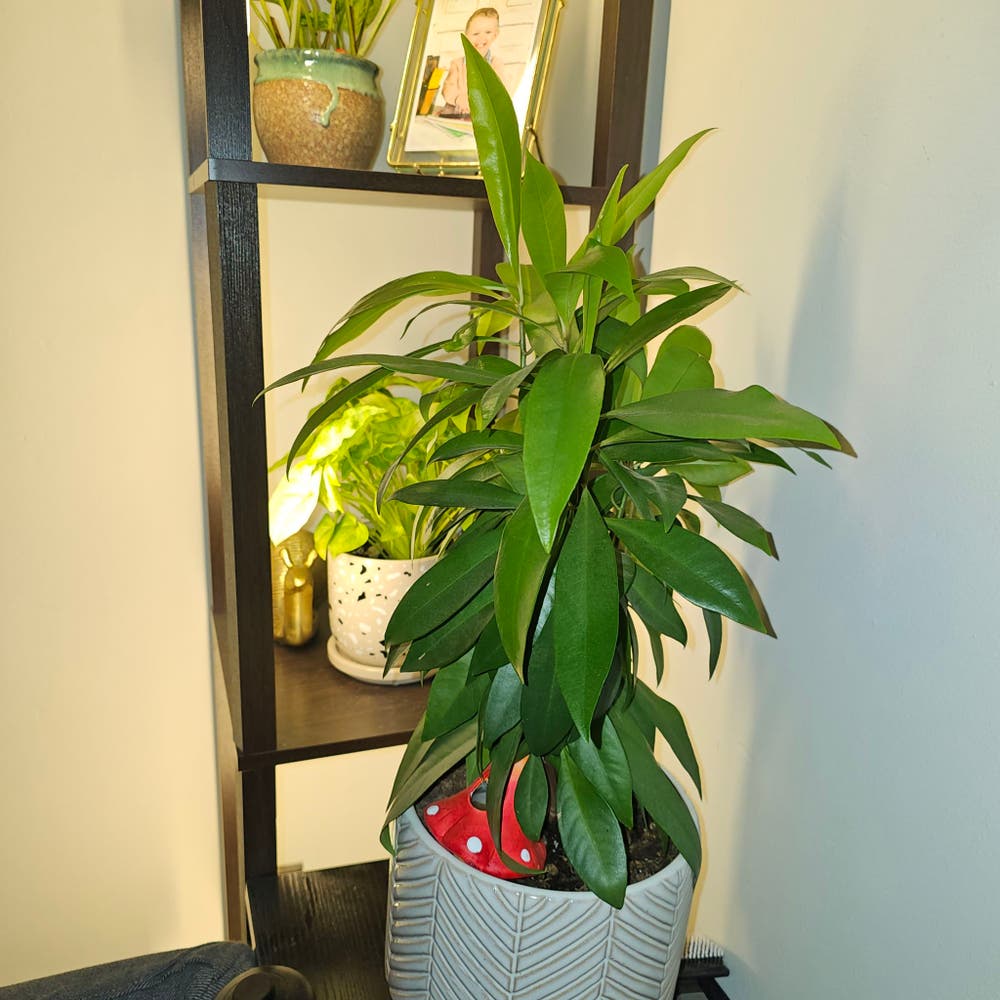
Why Are My Island Marlberry Leaves Falling Over?
Ardisia escallonioides
By the Greg Editorial Team
Mar 05, 2024•3 min read
This article was created with the help of AI so we can cover more plants for you. May contain errors. See one? Report it here.
Nurture a thriving 🌿 Island Marlberry by mastering the art of perfect plant care against droopy leaves.
- 💧 Balance watering to prevent Island Marlberry leaf droop.
- 🌡️ Maintain stable conditions for optimal leaf health.
- 🌱 Consistent care and monitoring prevent future leaf fall.
Pinpointing the Culprits: Why Leaves Fall Over
💧 Overwatering and Underwatering
Root health is crucial for leaf vitality. Overwatered Island Marlberry plants suffer from suffocating roots, leading to droopy leaves. Conversely, underwatered plants leave roots in despair and leaves crispy.
To balance water needs, observe the soil moisture. Soggy soil indicates overwatering, while soil that pulls away from the pot's edge screams for water.
🌡️ Environmental Stress Factors
Temperature and humidity swings can wreak havoc on Island Marlberry leaves. Stable conditions are key to avoiding leaf droop.
Protect your plant from environmental mood swings. Bright, indirect sunlight and consistent temperatures will keep your Marlberry's leaves perky.
🌿 Nutrient Imbalances
Nutrient issues can be subtle. Yellowing leaves or a lackluster appearance may signal a deficiency or excess.
Fertilization should be tailored to your plant's needs. A balanced approach ensures strong leaves and a healthy root system.
First Aid for Droopy Leaves
💧 Adjusting Your Watering Technique
When your Island Marlberry's leaves droop, soil moisture is the first thing to check. For overwatered plants with soggy soil, skip the next watering cycle. For underwatered plants, give the soil a thorough soak until water drains freely from the bottom, but don't let the plant sit in water.
- Tools for Monitoring: Use a moisture meter for accuracy or the good old finger test—feel the top inch of soil. Dry? Water. Damp? Wait.
🌡️ Tweaking the Environment
Temperature and humidity swings can knock your Marlberry leaves down. If the air is too dry, consider a humidifier or a pebble tray with water beneath the pot. For temperature issues, keep your plant away from drafts and direct heat sources.
- Long-term Adjustments: Gradually acclimate your plant to its ideal conditions. Avoid sudden changes that can stress it out.
🌿 Nutrient Boosts and Balances
Choosing the right fertilizer is crucial. A balanced, slow-release formula applied during the growing season supports leaf health. Over-fertilizing can be as harmful as not fertilizing at all, so follow the product's instructions.
- Fertilizing Schedule: During the growing season, fertilize every 4-6 weeks. In the dormant season, hold back to prevent nutrient overload.
Building a Safety Net: Preventative Care
🛡️ Consistency is Key
Routine care is non-negotiable for the Island Marlberry's health. Establish a care schedule that's as regular as clockwork to prevent leaves from falling over.
- Watering: Stick to a watering routine that matches the plant's lifecycle and seasonal needs.
- Pruning: Regularly remove dead or damaged foliage to encourage healthy growth.
- Inspection: Keep an eye out for early signs of pests or diseases.
🌿 Keeping an Eye on the Environment
Your Island Marlberry is a creature of habit, thriving in stable conditions. Use gadgets and seasonal tweaks to maintain a leaf-friendly environment.
- Thermometers and Hygrometers: Monitor temperature and humidity levels with precision.
- Seasonal Adjustments: Adapt your care routine to the changing seasons, ensuring your plant doesn't experience environmental shock.
Remember, proactive care is the secret sauce to a healthy, upright Island Marlberry.
⚠️ Safety First
This content is for general information and may contain errors, omissions, or outdated details. It is not medical, veterinary advice, or an endorsement of therapeutic claims.
Always consult a qualified healthcare professional before using any plant as food, medicine, or supplement.
Never eat any plant (or feed one to pets) without confirming its identity with at least two trusted sources.
If you suspect poisoning, call Poison Control (800) 222-1222, the Pet Poison Helpline (800) 213-6680, or your local emergency service immediately.
Spotted an error? Please report it here.
Revive your Island Marlberry by letting Greg monitor 🌡️ your plant's moisture and environment, ensuring your leaves never droop from neglect or over-care!