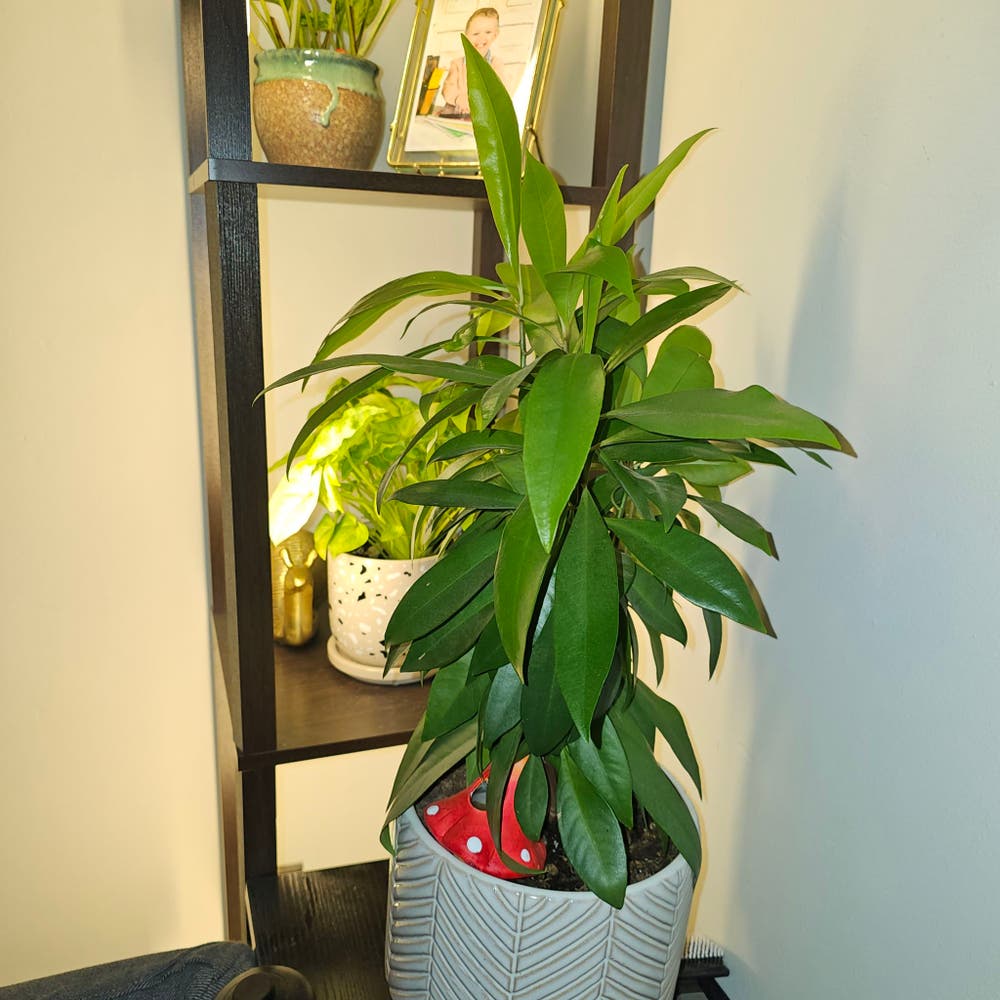
🌴 Island Marlberry's Best Friends: Top Companion Plants
Ardisia escallonioides
By the Greg Editorial Team
Sep 30, 2024•4 min read
This article was created with the help of AI so we can cover more plants for you. May contain errors. See one? Report it here.
Boost your Island Marlberry's growth 🌱 with these essential companion plants for a thriving garden!
- 🌱 Beach Strawberry and Sea Oats enhance growth and biodiversity for Island Marlberry.
- 🐞 Companion plants deter pests like aphids, boosting Island Marlberry's resilience.
- 🎨 Colorful combinations create stunning aesthetics, enriching your coastal garden's appeal.
Best Companion Plants for Island Marlberry
Plant 1: Beach Strawberry 🍓
Beach Strawberry is a fantastic companion for Island Marlberry. Native to coastal areas, it thrives in sandy soils and produces delicious, edible fruits that attract pollinators.
This plant also serves as a ground cover, helping to retain soil moisture. Its ability to flourish in similar environments makes it a perfect partner for your garden.
Plant 2: Sea Oats 🌾
Next up is Sea Oats, a resilient plant that tolerates salt spray and drought conditions. It plays a crucial role in erosion control, stabilizing sandy soils while enhancing biodiversity by attracting beneficial insects.
This plant's adaptability makes it an excellent choice for coastal gardens, ensuring a thriving ecosystem alongside Island Marlberry.
Plant 3: Golden Samphire 🌊
Golden Samphire is another salt-tolerant gem that thrives in coastal environments. Not only is it edible, but it also adds a unique texture to your garden.
Additionally, it helps improve soil structure and moisture retention, making it a valuable companion for Island Marlberry.
Plant 4: Black-eyed Susan 🌼
Black-eyed Susan brings a splash of color with its bright yellow flowers. These vibrant blooms not only enhance visual appeal but also attract pollinators and beneficial insects.
This plant thrives in similar sunlight and moisture conditions as Island Marlberry, making it a harmonious addition to your garden.
Why These Plants Thrive with Island Marlberry 🌱
These companion plants share similar soil and moisture needs, promoting healthy growth. They also provide mutual benefits in pest management and attract wildlife, creating a balanced ecosystem.
By choosing these companions, you ensure that your Island Marlberry not only survives but thrives in its environment.
Pest Management
Role of Companion Plants in Pest Management 🌱
Companion plants play a crucial role in pest management for Island Marlberry. They act as natural deterrents for common pests, enhancing the overall health and resilience of your garden.
Specific Pest-Repellent Properties 🦠
- Beach Strawberry: This hardy plant is known to deter aphids and spider mites, keeping your Island Marlberry safe from these pesky invaders.
- Sea Oats: By attracting predatory insects, Sea Oats help control pest populations, creating a balanced ecosystem in your garden.
Examples of Pests That Can Be Deterred 🚫
Common pests that companion plants can help manage include:
- Aphids: These small sap-sucking insects can weaken your plants.
- Spider Mites: Often found on the undersides of leaves, they can cause significant damage.
- Whiteflies: These tiny, white insects can lead to yellowing leaves and stunted growth.
By incorporating these companion plants, you not only protect your Island Marlberry but also foster a thriving garden environment. This synergy between plants can lead to a more vibrant and resilient landscape.
As we explore further, let’s look at how these companion plants can enhance the visual appeal of your garden.
Visual Appeal
Companion plants can significantly enhance the visual appeal of gardens featuring Island Marlberry. Their complementary colors and textures create a vibrant landscape that draws the eye.
🌸 Seasonal Interest
One of the standout features of companion plants is their ability to provide seasonal interest. Varied flowering times and foliage ensure that your garden remains dynamic throughout the year.
🎨 Color and Texture Combinations
The contrast between the dark green leaves of Island Marlberry and the bright yellow flowers of Black-eyed Susan creates a stunning visual effect. This combination not only captivates but also enriches the overall aesthetic of your garden.
🌿 Ground Cover Benefits
Adding Beach Strawberry as ground cover introduces depth and richness to the garden. Its lush foliage complements the Marlberry while helping to retain soil moisture, creating a thriving ecosystem.
Incorporating these companion plants not only beautifies your garden but also promotes a healthy growing environment. As we explore the next section, we'll delve into how these plants can aid in pest management, ensuring your garden remains both stunning and resilient.
Plants to Avoid
When planning your garden with Island Marlberry, it's crucial to know which plants to steer clear of. Some plants can hinder its growth and overall health.
🚫 Invasive Species
One major group to avoid is invasive species, such as Japanese Honeysuckle. These plants can quickly take over, outcompeting Island Marlberry for essential resources.
🍅 Heavy Feeders
Another category includes heavy feeders like Tomatoes. These plants consume a lot of nutrients and water, leaving less for your Island Marlberry.
⚠️ Reasons for Incompatibility
The primary reason for avoiding these plants is competition for resources. Both water and nutrients are vital for healthy growth, and overcrowding can lead to stress.
Additionally, some of these plants may attract pests that could harm Island Marlberry. Keeping your garden balanced ensures a thriving environment for your favorite plants.
Understanding these incompatibilities helps you create a harmonious garden. This way, your Island Marlberry can flourish alongside its best companions.
Next, let’s explore how companion plants can enhance pest management in your garden.
⚠️ Safety First
This content is for general information and may contain errors, omissions, or outdated details. It is not medical, veterinary advice, or an endorsement of therapeutic claims.
Always consult a qualified healthcare professional before using any plant as food, medicine, or supplement.
Never eat any plant (or feed one to pets) without confirming its identity with at least two trusted sources.
If you suspect poisoning, call Poison Control (800) 222-1222, the Pet Poison Helpline (800) 213-6680, or your local emergency service immediately.
Spotted an error? Please report it here.
Boost your Island Marlberry's health and beauty with perfect companions like Beach Strawberry and Sea Oats 🌿, and let Greg guide you with tailored care tips to ensure your garden thrives harmoniously!