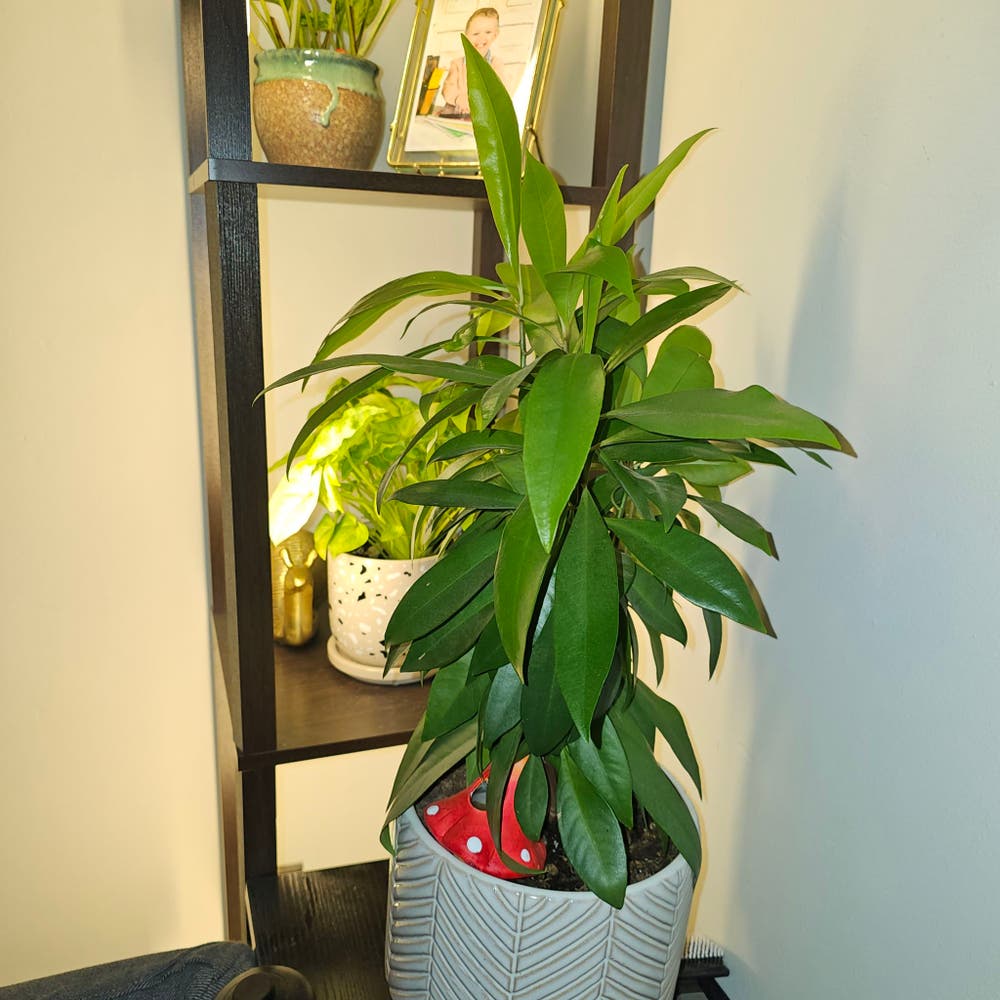
❄️ 6 Key Winter Strategies for Island Marlberry
Ardisia escallonioides
By the Greg Editorial Team
Sep 30, 2024•5 min read
This article was created with the help of AI so we can cover more plants for you. May contain errors. See one? Report it here.
Ensure your Island Marlberry thrives 🌱 this spring by mastering essential winter care strategies today!
- ❄️ Protect Island Marlberry from frost using cloths or burlap for insulation.
- 🌱 Mulch helps retain moisture and insulates roots during winter months.
- 🌿 Prune in late winter to promote healthier growth as spring approaches.
Winter Care Strategies
❄️ Frost Protection Methods
To protect your Island Marlberry from frost, covering the plants is essential. Use frost cloths or burlap to create a barrier against the cold.
Mulching is another effective strategy. Apply a 2-4 inch layer of organic mulch around the base of the plant. This not only insulates the roots but also helps retain soil moisture.
💧 Adjusting Watering Schedules for Winter
During winter, it's crucial to adjust your watering frequency. Reduce it to once every 2-4 weeks to prevent overwatering.
Moisture management is vital during this season. It helps prevent root rot while ensuring your plant remains adequately hydrated.
🌱 Fertilizing Considerations During Dormancy
When it comes to fertilization, avoid applying any nutrients during dormancy. Nutrient uptake is minimal, and there's a significant risk of fertilizer burn if applied in cold months.
This period is best spent allowing your plant to rest and conserve energy.
🏡 Indoor Care for Island Marlberry
If you choose to bring your Island Marlberry indoors, ensure it has the right conditions. Bright, indirect light is ideal for its growth.
Keep indoor temperatures above 60°F (15°C) to maintain a healthy environment. Regularly check the soil moisture and water when the top inch is dry to keep your plant thriving.
These winter care strategies will help your Island Marlberry survive the colder months. As you prepare for spring, understanding the signs of recovery will be essential.
Spring Preparation
🌱 Signs of recovery from winter damage
As spring approaches, keep an eye out for signs of recovery in your Island Marlberry. New growth and vibrant foliage are excellent indicators that your plant has weathered the winter well.
However, not all signs are positive. If you notice wilting or yellowing leaves, it may indicate stress that requires your attention.
✂️ Pruning techniques for spring growth
Timing is crucial when it comes to pruning. Aim to prune your Island Marlberry from late winter to early spring, just before new growth begins.
When pruning, focus on removing dead or damaged branches. This not only improves the plant's appearance but also enhances air circulation, promoting healthier growth.
🌼 Fertilization and watering adjustments for spring
As your plant awakens from dormancy, it’s time to reintroduce fertilization. Use a balanced fertilizer to support new growth as temperatures rise.
Additionally, adjust your watering schedule. Increase the frequency to ensure your Island Marlberry receives adequate moisture as it enters its active growth phase.
With these spring preparation strategies, your Island Marlberry will thrive and flourish. Next, let’s explore common winter problems and their solutions to ensure your plant remains healthy year-round.
Common Winter Problems and Solutions
❄️ Identifying Frost Damage
Frost can wreak havoc on your Island Marlberry. Look for symptoms like brown, wilted leaves and stem dieback, which are clear indicators of frost damage.
To assess the extent of the damage, gently check for soft spots in the stems and leaves. This will help you determine if the plant can recover or needs more intensive care.
🥶 Addressing Cold Hardiness Issues
Understanding cold hardiness is crucial for the survival of your Island Marlberry. Its tolerance levels are influenced by its native habitat, so knowing these can guide your care strategies.
To combat cold hardiness issues, select appropriate planting locations that offer some protection from harsh winter conditions. Microclimates can make a significant difference in your plant's resilience.
🌱 Recovery Strategies for Winter Stress
If your Island Marlberry shows signs of winter stress, there are effective recovery strategies to implement. Start by watering adequately to promote root health, ensuring the plant gets the moisture it needs.
Additionally, applying organic mulch can help retain moisture and warmth around the roots. This simple step can make a world of difference in your plant's recovery.
As you navigate these winter challenges, remember that proactive care can lead to a thriving Island Marlberry come spring. Next, let’s explore how to prepare for the upcoming season.
Geographic Considerations
Best practices for different climates 🌍
When caring for Island Marlberry, it's crucial to tailor your strategies based on your climate zone. In tropical regions, these plants thrive with consistent warmth and humidity, so focus on maintaining moisture levels and providing some shade during the hottest parts of the day.
In temperate areas, the approach shifts. Here, you'll want to ensure adequate frost protection and adjust your watering schedule to account for cooler temperatures. Understanding the unique needs of your climate can significantly enhance the health of your plants.
Regional frost dates and their impact on care ❄️
Identifying local frost dates is essential for effective care. Utilize resources from local agricultural extensions or gardening groups to find this information.
Planning your care activities around these frost dates can make a big difference. Timing your planting, covering, and pruning based on frost predictions helps ensure your Island Marlberry not only survives but thrives through the winter months.
With these geographic considerations in mind, you're well-equipped to provide the best care for your plants, no matter where you are. Next, let’s explore how to recognize signs of recovery from winter damage.
⚠️ Safety First
This content is for general information and may contain errors, omissions, or outdated details. It is not medical, veterinary advice, or an endorsement of therapeutic claims.
Always consult a qualified healthcare professional before using any plant as food, medicine, or supplement.
Never eat any plant (or feed one to pets) without confirming its identity with at least two trusted sources.
If you suspect poisoning, call Poison Control (800) 222-1222, the Pet Poison Helpline (800) 213-6680, or your local emergency service immediately.
Spotted an error? Please report it here.
Keep your Island Marlberry thriving through winter ❄️ with Greg's tailored care reminders and frost protection tips, ensuring a vibrant recovery come spring!