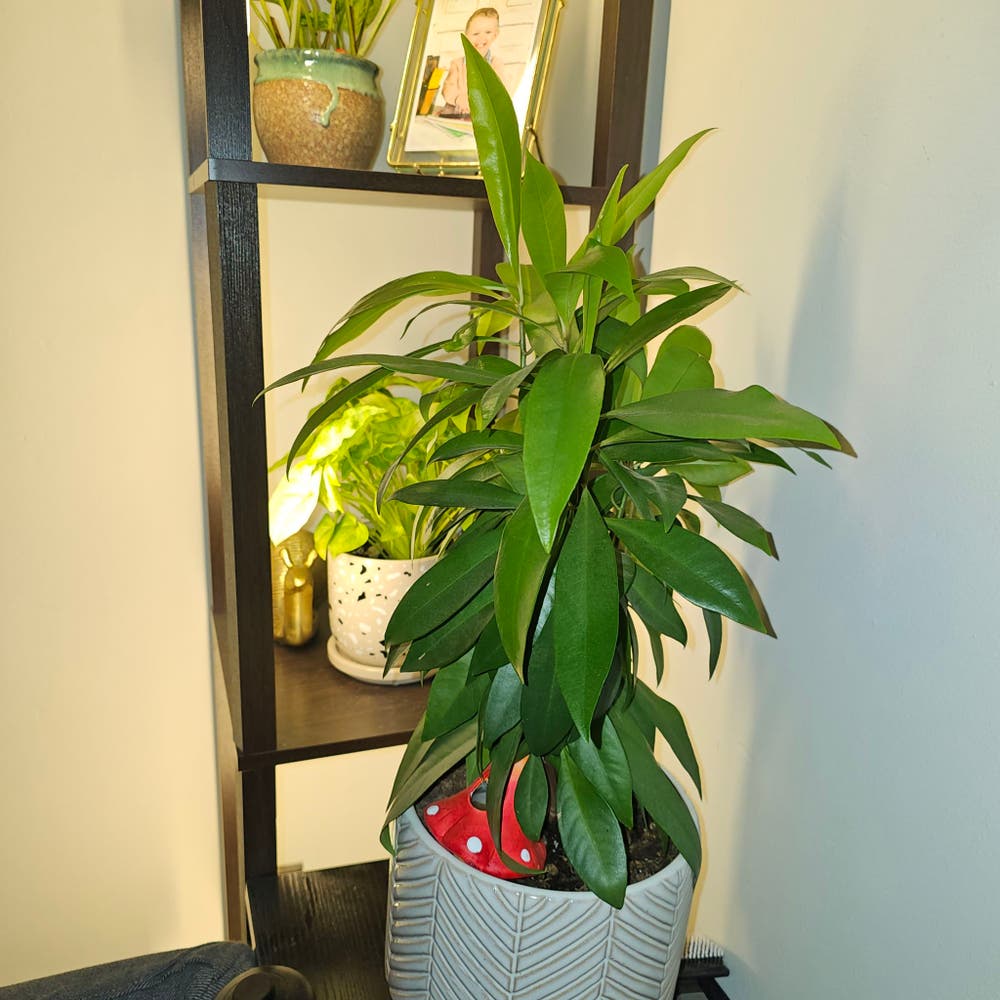
How Much Should I Water My Island Marlberry?
Ardisia escallonioides
By the Greg Editorial Team
Mar 05, 2024•4 min read
This article was created with the help of AI so we can cover more plants for you. May contain errors. See one? Report it here.
Nurture a thriving Island Marlberry 🌿 with the perfect watering balance—no more guesswork!
- Check soil moisture - should feel like a wrung-out sponge.
- Yellow leaves overwatered, wilting leaves underwatered - adjust watering schedule.
- Seasons and environment affect watering - tailor routine accordingly.
When to Water Your Island Marlberry
🌱 Reading the Soil's Mood
Checking soil moisture is more art than science. Feel the soil; it should mimic a wrung-out sponge—damp, not drenched. For precision, a moisture meter can give you the cold, hard numbers.
🍃 The Plant's Tell-Tale Signs
Your Island Marlberry communicates through its leaves. Yellowing? You might be overdoing the H2O. Wilting? It's parched. Also, a lighter pot signals dry soil, while a heavier one suggests excess moisture.
The Balancing Act: Avoiding Too Much or Too Little
💧 Symptoms of Thirst and Drowning
Your Island Marlberry is not a fan of extremes. Underwatering leaves it gasping for moisture, evident in the droopiness of its leaves and a general look of despair. On the flip side, overwatering turns your plant's pot into a no-go zone for roots seeking oxygen, with leaves that swell up and betray a sickly yellow hue.
Immediate action is crucial when you spot these signs. For the underwatered Marlberry, introduce a consistent watering schedule that allows the soil to become evenly moist. If you've overdone it with the water, hold off on the next watering session until the top inch of soil feels dry to the touch. And remember, good drainage is your best friend.
🏥 The Recovery Process
Nursing your Marlberry back to health requires patience and observation. If you've been heavy-handed with the watering can, check for root rot—snip away any black or mushy roots and repot in fresh, well-draining soil. For the parched plant, a steady return to regular watering will coax it back to life.
Monitor your plant's progress and be prepared to adjust your approach. It's not just about fixing the problem; it's about understanding your Marlberry's unique needs and adapting your care routine accordingly. Keep an eye on the leaves—they'll tell you if you're on the right track.
Tailoring Watering to Your Environment
💧 Seasonal Shifts and Watering
Your Island Marlberry's thirst changes with the calendar. As summer heat intensifies, so does the need for water. But when winter rolls in, your plant's water consumption drops. Indoor heating systems can sap moisture from the air, nudging you to water more often. Conversely, cooling systems might reduce the need for frequent watering.
💦 The Role of Humidity and Light
Humidity and light are the unsung heroes of your watering routine. High humidity can mean less watering, while drier air begs for a more generous pour. Light exposure also calls the shots—more light equals more water, less light means less. Keep these factors in check to maintain a happy Marlberry.
Watering Techniques for a Happy Marlberry
💧 The Right Way to Water
Island Marlberry plants thrive with just enough water. It's a delicate dance between deep watering and light sips. Deep watering encourages robust root growth, allowing the soil to dry out slightly between sessions. This mimics natural rainfall, providing a cycle of hydration and drying that the Marlberry roots adore.
Frequent sips, on the other hand, can lead to shallow root systems and a dependency on constant moisture. This can be risky, as it makes the plant more vulnerable to drying out if you miss a watering or two.
For efficient watering, consider using a watering can with a long spout for precision, or a drip irrigation system for consistency. A moisture meter can be a handy tool to take the guesswork out of when to water next.
🌡️ Monitoring and Adjusting
Keep a vigilant eye on your Island Marlberry. If the leaves look perky and the soil feels like a wrung-out sponge, you're hitting the mark. If the leaves start to droop or the soil is bone dry, it's time to water. Conversely, if the pot feels unusually heavy or the leaves turn yellow, you might be overdoing it.
Adjust your watering habits with the changing seasons and indoor conditions. Less is more during the cooler months, and you might need to ramp up during the hot spells. Remember, your plant's needs can change, and so should your watering routine. It's not about sticking to a rigid schedule; it's about responding to the plant's needs as they arise.
⚠️ Safety First
This content is for general information and may contain errors, omissions, or outdated details. It is not medical, veterinary advice, or an endorsement of therapeutic claims.
Always consult a qualified healthcare professional before using any plant as food, medicine, or supplement.
Never eat any plant (or feed one to pets) without confirming its identity with at least two trusted sources.
If you suspect poisoning, call Poison Control (800) 222-1222, the Pet Poison Helpline (800) 213-6680, or your local emergency service immediately.
Spotted an error? Please report it here.
Keep your Island Marlberry perfectly watered 💧 with Greg's personalized reminders that adapt to your home's unique environment and your plant's needs.