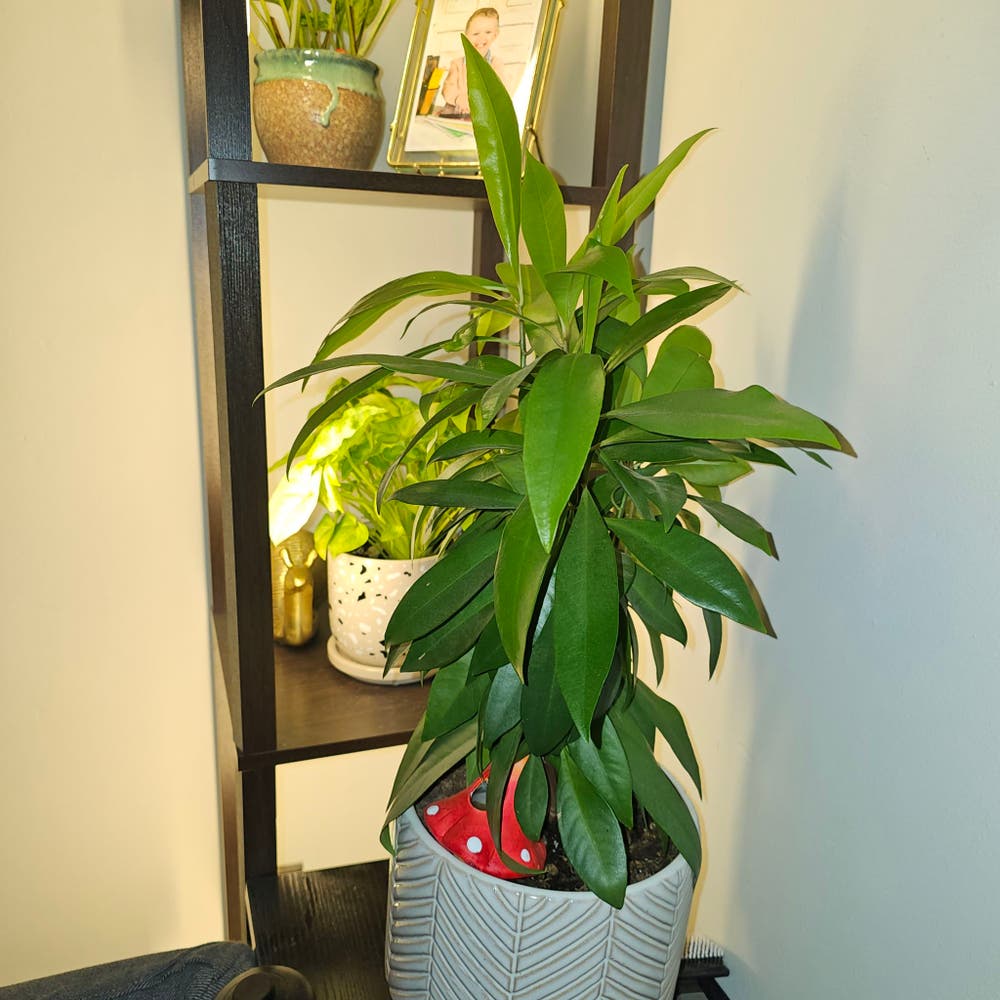
☀️ 4 Outdoor Care Tips for Island Marlberry
Ardisia escallonioides
By the Greg Editorial Team
Sep 30, 2024•6 min read
This article was created with the help of AI so we can cover more plants for you. May contain errors. See one? Report it here.
Cultivate thriving Island Marlberry plants 🌱 with essential care tips for abundant berries and vibrant growth!
- ☀️ Island Marlberry needs 6-8 hours of sunlight for optimal growth.
- 💧 Water deeply once a week, adjusting for rainfall to maintain moisture.
- 🌱 Well-drained, fertile soil is essential; amend with compost for best results.
Sunlight Needs
Ideal Light Conditions 🌞
Island Marlberry thrives best in full sun to partial shade, requiring 6-8 hours of sunlight daily. Insufficient sunlight can lead to stunted growth and reduced berry production, so ensuring your plant gets enough light is crucial.
Adjusting Light Exposure 🌿
If your Marlberry is in a shaded area, consider pruning surrounding plants to increase light exposure. Keep an eye on your plant's response; signs of stress, such as yellowing leaves and leggy growth, indicate it may need more sunlight.
This attention to light conditions will set the stage for healthy growth and abundant berries. Next, let’s explore the watering requirements essential for keeping your Island Marlberry thriving.
Watering Requirements
🌊 General Watering Guidelines
Watering your Island Marlberry is crucial for its health. Aim to water deeply once a week, adjusting based on rainfall to ensure the soil remains consistently moist but not waterlogged.
🌵 Drought Tolerance
Once established, these plants can handle some drought. You can reduce watering frequency, but keep an eye out for signs of underwatering, such as wilting leaves and a dry soil surface.
💧 Practical Tips for Watering
- Check Soil Moisture: Stick your finger into the soil; if it feels dry an inch down, it’s time to water.
- Watering Technique: Water at the base of the plant to encourage deep root growth.
🌡️ Seasonal Adjustments
During hot spells, you may need to increase watering frequency. Conversely, in cooler months, you can cut back, allowing the plant to rest.
🎉 Conclusion
Understanding the watering needs of your Island Marlberry will set you up for success. With the right care, your plant will thrive, leading to abundant berry production and vibrant growth. Next, let’s explore the soil preferences that will further enhance your plant’s health.
Soil Preferences
Ideal Soil Composition 🌱
For the Island Marlberry, well-drained and fertile soil is essential. Loamy or sandy soils are preferred, providing the right balance of nutrients and drainage.
Soil pH is another critical factor. Aim for a slightly acidic to neutral range, ideally between pH 6.0 and 7.0, to promote healthy growth.
Soil Preparation Techniques 🛠️
Amending your soil can make a significant difference. Incorporate organic matter like compost to enhance both drainage and fertility, creating a thriving environment for your plants.
Testing your soil is equally important. Use a pH meter or test kit to ensure your soil conditions are optimal, setting the stage for robust growth and berry production.
With the right soil conditions established, your Island Marlberry will be well on its way to flourishing. Next, let’s explore the fertilization guidelines that will keep your plants nourished and thriving.
Fertilization Guidelines
Nutrient Requirements 🌱
To keep your Island Marlberry thriving, fertilize every 4-6 weeks during the growing season. Use a balanced NPK fertilizer, like 10-10-10, or opt for organic choices such as fish emulsion for a natural boost.
Signs of Nutrient Deficiency ⚠️
Watch for yellowing leaves, which often indicate a nitrogen deficiency. If you notice poor berry production, it may signal a lack of phosphorus, so keep an eye on your plants' health.
Understanding these fertilization guidelines will help ensure your Island Marlberry flourishes. Next, let’s explore effective protection strategies to keep your plants safe from environmental stressors and pests.
Protection Strategies
🌧️ Weather Protection Techniques
To keep your Island Marlberry thriving, weather protection is essential. In colder climates, use frost cloths or mulch to shield your plants from frost damage.
Wind can also be a concern. Planting near structures or using windbreaks can significantly reduce exposure, helping your plants stay healthy.
🐞 Managing Outdoor Pests
Outdoor pests can be a real nuisance for your Island Marlberry. Common culprits include aphids, spider mites, and scale insects.
To manage these pests effectively, consider using neem oil or insecticidal soap. Introducing beneficial insects can also help keep the pest population in check.
🦠 Common Diseases and Solutions
Fungal diseases like root rot and leaf spot can threaten your plants. Prevention is key; ensure proper drainage and avoid overhead watering to minimize these risks.
If you notice any signs of disease, act quickly. Regular monitoring and prompt action can save your plants from serious damage.
With these protection strategies in place, your Island Marlberry will be better equipped to face the elements and pests. Next, let’s explore seasonal care tips to keep your plants thriving throughout the year.
Seasonal Care
Spring Care Tips 🌸
Spring is the perfect time to rejuvenate your Island Marlberry. Start by pruning away any dead or damaged branches; this encourages fresh growth and a healthier plant.
Next, apply a balanced fertilizer as the growing season kicks off. This will provide the nutrients your plant needs to thrive.
Summer Care Tips ☀️
As temperatures rise, your watering routine should adapt. Increase the frequency of watering during hot, dry spells to keep your Marlberry hydrated.
Don’t forget to monitor for pests regularly. Early detection can save your plant from potential infestations.
Fall Care Tips 🍂
As summer fades, prepare your Marlberry for winter. Reduce watering and apply mulch around the base to insulate the roots against the cold.
This is also the time to harvest your berries. Collect them before the first frost to enjoy their full flavor.
Winter Care Tips ❄️
Winter can be tough on your plants, so take precautions. Cover your Marlberry with frost cloths during extreme cold spells to protect it from harsh conditions.
If you have container plants, consider bringing them indoors if temperatures drop significantly. This will help ensure their survival through the colder months.
Transitioning through the seasons with proper care will set your Island Marlberry up for success. Next, let’s explore the climate zone considerations to ensure your plant thrives in its environment.
Climate Zone Considerations
🌍 Best Zones
The Island Marlberry thrives best in USDA zones 9-11, where temperatures remain mild and conditions are ideal for growth. However, it's sensitive to frost, making it a challenge in colder zones.
🛠️ Adaptation Strategies
To ensure your Marlberry flourishes, consider selecting hardier varieties that are better suited to your local climate.
Additionally, adjust your care practices by modifying watering and fertilization based on the specific conditions of your area.
This tailored approach will help your plants not only survive but thrive, even in less-than-ideal circumstances.
With the right strategies, you can enjoy a bountiful harvest of delicious berries.
Next, let’s explore seasonal care tips to keep your Island Marlberry healthy throughout the year.
⚠️ Safety First
This content is for general information and may contain errors, omissions, or outdated details. It is not medical, veterinary advice, or an endorsement of therapeutic claims.
Always consult a qualified healthcare professional before using any plant as food, medicine, or supplement.
Never eat any plant (or feed one to pets) without confirming its identity with at least two trusted sources.
If you suspect poisoning, call Poison Control (800) 222-1222, the Pet Poison Helpline (800) 213-6680, or your local emergency service immediately.
Spotted an error? Please report it here.
Help your Island Marlberry thrive outdoors 🌱 by using Greg's tailored watering reminders and soil tips to keep it healthy and flourishing!