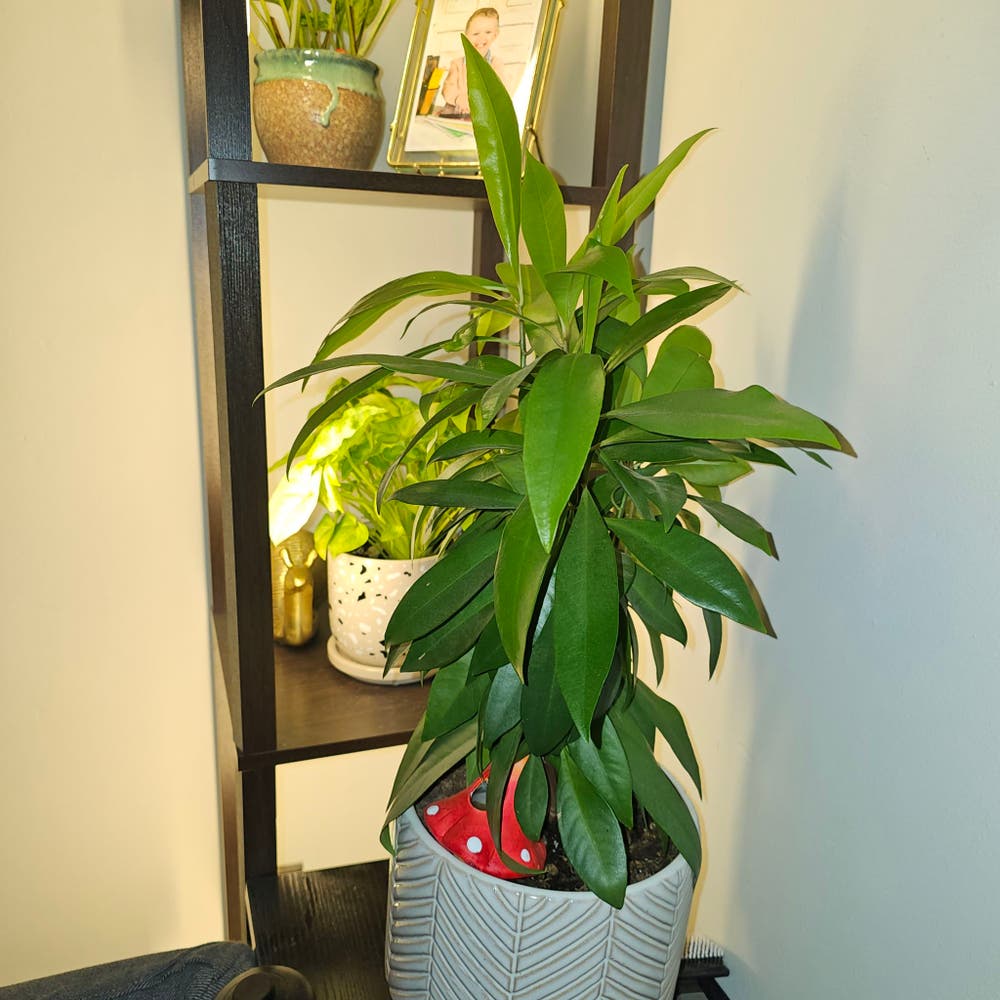
Island Marlberry Root Rot Solutions
Ardisia escallonioides
By the Greg Editorial Team
Mar 05, 2024•4 min read
This article was created with the help of AI so we can cover more plants for you. May contain errors. See one? Report it here.
Revive your Island Marlberry 🌿 and shield it from root rot with expert tips for a healthy comeback.
- 🚩 Yellow leaves, wilting, and foul odor signal root rot in Island Marlberry.
- ✂️ Remove rotten roots, repot with well-draining soil for recovery.
- 💧 Water wisely and ensure good drainage to prevent future rot.
Spotting the Red Flags: Symptoms of Root Rot in Island Marlberry
🚩 Leafing Through the Symptoms
Yellowing leaves on your Island Marlberry aren't just a fashion statement gone wrong; they're a distress signal. If your plant's leaves are more yellow than green, it's time to sit up and take notice. Wilting is another red flag. It's like your plant is saying, "I'm not okay," despite the soil's moisture.
📉 Understanding Stunted Growth
Stunted growth isn't just your plant being lazy; it's a sign that the roots might be in trouble. When your Island Marlberry stops growing like it used to, it's not just throwing a tantrum—it's likely struggling with its underground affairs.
👃 Sniffing Out Trouble
A foul odor from the soil isn't the new earthy scent for your garden; it's a warning sign. If a whiff near the base of your Island Marlberry reminds you of something less than fresh, trust your nose—it's probably root rot.
Getting to the Root of the Problem: Diagnosing Root Rot
🕵️♀️ Unearthing the Issue
To inspect the root system, gently remove your Island Marlberry from its pot. Shake off excess soil to reveal the roots for examination. Healthy roots should be firm and white, not unlike a fresh piece of ginger.
Making the Diagnosis
Assess the roots for darkening and mushiness, indicative of rot. A foul odor is a dead giveaway—root rot smells like defeat and decay. If the roots crumble at a touch, it's a distress signal you can't ignore.
Remember, your plant's life hangs in the balance. If the roots are more brown than a well-done steak, it's time for some surgery. Snip off the rotten parts with sterilized shears—think of it as pruning the dead weight. Leave the good roots alone; they're your allies in this fight.
If you're still unsure after playing plant detective, consider a professional lab test. It's like getting a second opinion, but from someone who won't sugarcoat the diagnosis.
The Rescue Mission: Treating Root Rot in Island Marlberry
🌱 Cutting Out the Rot
Root rot in Island Marlberry doesn't have to be a death sentence. Immediate action is crucial.
- Sterilize your cutting tools with isopropyl alcohol or a similar disinfectant.
- Gently remove the plant from its pot and inspect the roots.
- Snip off the rotten roots until you're left with healthy tissue.
- Dispose of the infected roots and soil safely to prevent the spread of disease.
🌿 Fostering Recovery
Post-surgery care for your Island Marlberry is about providing a fresh start.
- Choose a new pot with ample drainage.
- Repot using fresh, well-draining soil to encourage healthy growth.
- Avoid watering immediately; let the roots breathe and recover.
- Resume watering with a measured approach, ensuring the top inch of soil dries out between sessions.
- Monitor the plant closely for signs of recovery or further issues.
Fortifying Your Island Marlberry: Prevention Strategies
💧 Water Wisely
Island Marlberry's disdain for soggy feet is well-documented. To prevent overwatering, let the soil dry out between waterings. This isn't just a suggestion—it's a survival tactic for the plant. Check the soil before you water; if it's damp, step away from the watering can.
🌱 Soil and Drainage Mastery
The right soil mix is your plant's best defense against root rot. Opt for a blend rich in organic matter like coco coir, and don't skimp on perlite or vermiculite. These additions aren't just for show—they improve drainage and keep your Island Marlberry's roots happy and rot-free.
🏡 Creating the Ideal Environment
Your plant's pot must have drainage holes—non-negotiable. Think of your soil as a colander rather than a bowl; it should hold nutrients but let excess water escape with ease. If you're not mixing your own soil, a dash of perlite to store-bought potting mix can work wonders.
🌡 Monitoring and Adjustments
Regular check-ups are like plant therapy sessions. Keep an eye on your Island Marlberry's environment, adjusting your care routine with the seasons. Less water in the winter, a bit more in the summer, and always ensure that the plant's environment promotes good air circulation. Remember, stagnant air is a party invitation for fungi.
⚠️ Safety First
This content is for general information and may contain errors, omissions, or outdated details. It is not medical, veterinary advice, or an endorsement of therapeutic claims.
Always consult a qualified healthcare professional before using any plant as food, medicine, or supplement.
Never eat any plant (or feed one to pets) without confirming its identity with at least two trusted sources.
If you suspect poisoning, call Poison Control (800) 222-1222, the Pet Poison Helpline (800) 213-6680, or your local emergency service immediately.
Spotted an error? Please report it here.
Prevent Island Marlberry root rot and foster resilient roots 🌱 with Greg's custom watering reminders and community advice tailored to your plant's unique needs.