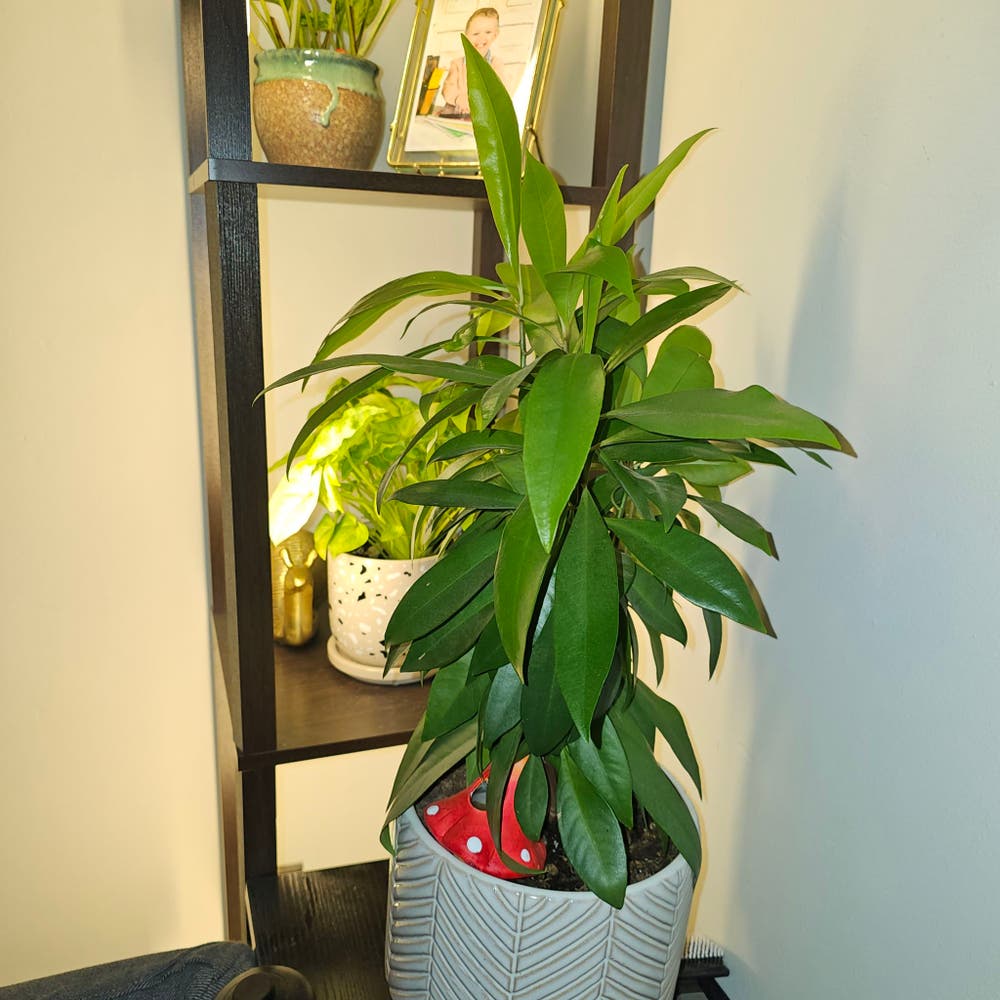
🌳 4 Facts About Island Marlberry Height and Width
Ardisia escallonioides
By the Greg Editorial Team
Sep 30, 2024•5 min read
This article was created with the help of AI so we can cover more plants for you. May contain errors. See one? Report it here.
Master the growth of Island Marlberry 🌳 to create a stunning, vibrant garden that thrives beautifully!
- 🌳 Island Marlberry grows 6-12 feet tall and 4-8 feet wide, perfect for landscaping.
- ☀️💧 Optimal growth requires well-draining soil, sunlight, and consistent moisture for best results.
- ✂️ Regular pruning helps manage size and promotes bushier growth in your Marlberry.
Mature Height and Width
Typical Mature Dimensions 🌳
The Island Marlberry typically reaches a height of 6 to 12 feet and can spread 4 to 8 feet wide. These dimensions make it a versatile choice for various landscaping needs.
Factors Influencing Mature Size 📏
Optimal growth hinges on several factors. Well-draining soil, adequate sunlight, and consistent moisture are key to achieving maximum size.
Conversely, poor conditions can stunt growth. Limited sunlight or nutrient-deficient soil may result in smaller dimensions, often falling short of the plant's full potential.
Understanding these factors can help you create the ideal environment for your Island Marlberry. With the right care, you can enjoy a thriving, robust plant that enhances your garden's beauty.
Next, let’s explore the growth rate and time it takes for the Island Marlberry to reach its full size.
Growth Rate and Time to Maturity
Average Growth Rate 🌱
The Island Marlberry exhibits a moderate to fast growth rate, which can vary based on environmental conditions. Under ideal circumstances, you can expect it to grow between 1 to 2 feet per year.
Time to Reach Full Size ⏳
Typically, the plant takes about 3 to 5 years to achieve its mature height and width. However, several factors can influence this timeframe, including soil quality, water availability, and sunlight exposure.
Influencing Factors 🌍
- Soil Quality: Rich, nutrient-dense soil can significantly speed up growth.
- Water Availability: Consistent moisture is key; too little can slow down development.
- Sunlight Exposure: Adequate sunlight boosts growth, while shade can hinder it.
Understanding these dynamics can help you create the best conditions for your Island Marlberry, ensuring it reaches its full potential in size and beauty.
As you plan for your garden, consider how these growth factors will affect not just the Marlberry, but the overall landscape. Next, we’ll explore how different environmental conditions can lead to size variability in your plants.
Size Variability Based on Conditions
🌍 Environmental Impact on Size
The size of the Island Marlberry can vary significantly based on environmental factors.
Soil Quality: Rich, loamy soils are the secret to larger growth, while sandy or rocky soils can limit development.
Sunlight Exposure: Full sun, ideally 6 to 8 hours daily, is essential for optimal growth. In contrast, partial shade can restrict the plant's size.
Water Availability: Consistent moisture is crucial; drought conditions can stunt growth and lead to smaller plants.
📏 Size Variability Examples
Plants thriving in ideal conditions often reach their maximum height and width.
Conversely, those in suboptimal environments may only achieve 50-75% of their potential size.
Understanding these factors can help you create the best conditions for your Island Marlberry, ensuring it flourishes beautifully.
Next, we’ll explore the fascinating world of dwarf and giant varieties of this plant.
Dwarf and Giant Varieties
Dwarf Varieties 🌱
Dwarf varieties of the Island Marlberry are compact, typically reaching heights of 3 to 5 feet. These smaller plants are perfect for tight spaces, making them ideal for smaller gardens or container planting.
Giant Varieties 🌳
On the other end of the spectrum, giant varieties boast exceptional growth potential, often exceeding 12 feet in height. However, they require ample space and resources to thrive, so consider your garden's layout before choosing one.
Choosing the Right Variety 🎯
When selecting between dwarf and giant varieties, think about your gardening goals. Dwarf varieties offer versatility in limited spaces, while giant varieties can create a striking focal point in larger landscapes.
Maintenance Considerations 🛠️
Both types require different care strategies. Dwarf varieties may need less frequent pruning, while giant varieties will benefit from regular maintenance to manage their size and ensure healthy growth.
Understanding these differences can help you make informed decisions for your garden. Whether you opt for a compact dwarf or a towering giant, each variety brings unique charm and character to your outdoor space.
Next, let’s explore the pruning techniques that can help you maintain the desired size of your Island Marlberry.
Pruning Techniques for Size Control
🌱 Importance of Pruning
Pruning is essential for managing the size of your Island Marlberry. It encourages bushier growth and helps remove dead or diseased branches, keeping your plant healthy and vibrant.
✂️ Recommended Pruning Techniques
Timing: The best time to prune is in late winter or early spring, just before new growth begins. This timing allows the plant to recover quickly and thrive.
Tools: Always use clean, sharp pruning shears. Clean cuts minimize damage and promote faster healing.
Techniques:
- Selective Pruning: Aim to remove about one-third of the plant's height. This method effectively controls size while encouraging fuller growth.
- Thinning: Focus on removing older branches. This promotes new growth and helps maintain the desired dimensions of your plant.
📏 Size Control Strategies
Regular maintenance is key. Annual pruning can help keep your Island Marlberry within your desired size limits.
Monitoring growth is equally important. Adjust your pruning techniques based on how the plant responds, ensuring it remains healthy and well-shaped.
By mastering these pruning techniques, you can enjoy a beautifully controlled Island Marlberry that fits perfectly in your garden. Next, let’s explore the fascinating world of dwarf and giant varieties!
⚠️ Safety First
This content is for general information and may contain errors, omissions, or outdated details. It is not medical, veterinary advice, or an endorsement of therapeutic claims.
Always consult a qualified healthcare professional before using any plant as food, medicine, or supplement.
Never eat any plant (or feed one to pets) without confirming its identity with at least two trusted sources.
If you suspect poisoning, call Poison Control (800) 222-1222, the Pet Poison Helpline (800) 213-6680, or your local emergency service immediately.
Spotted an error? Please report it here.
Unlock the full potential 🌳 of your Island Marlberry with Greg's tailored care tips and pruning reminders, ensuring it thrives beautifully in your landscape!