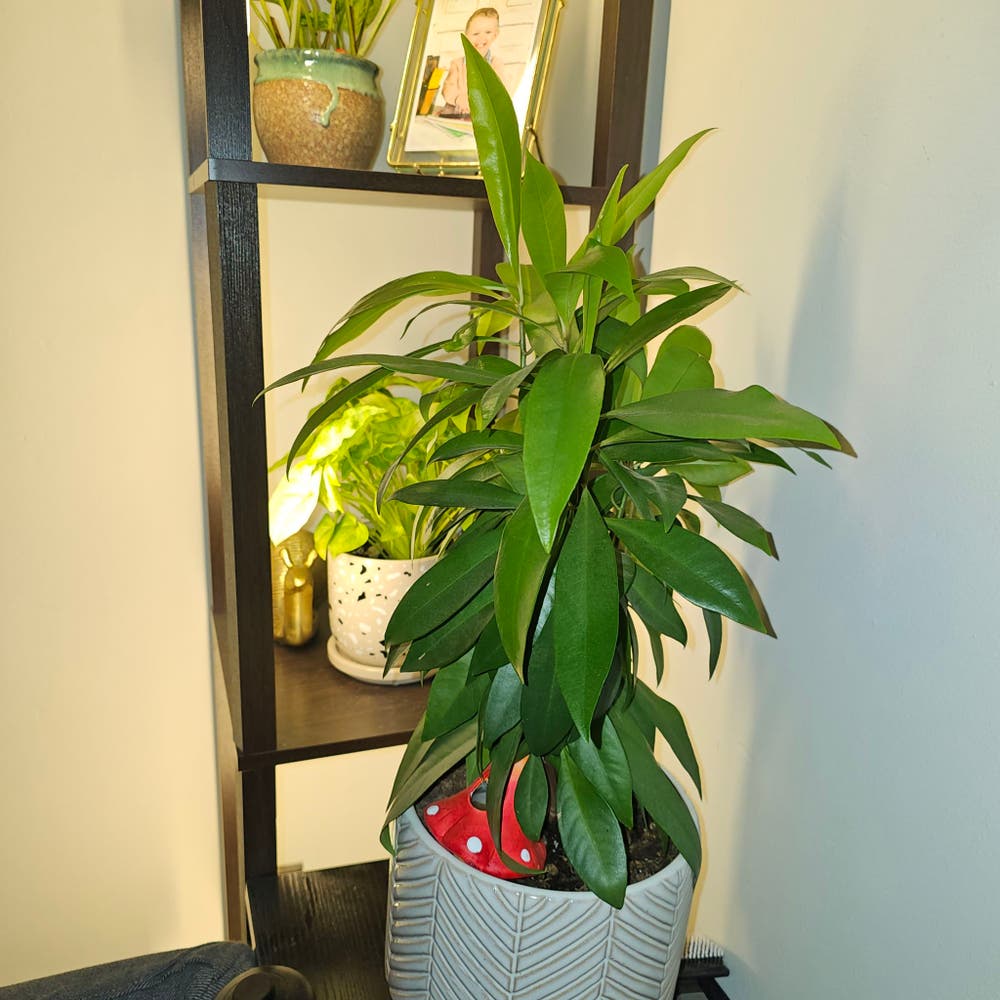
What Is A Good Temperature Range For My Island Marlberry?
Ardisia escallonioides
By the Greg Editorial Team
Mar 05, 2024•4 min read
This article was created with the help of AI so we can cover more plants for you. May contain errors. See one? Report it here.
Discover the secret to a thriving Island Marlberry with the perfect temperature guide! 🌡️🌿
- 65°F to 85°F is ideal for Island Marlberry's health and growth.
- 🌡️ Watch for wilting or stunted growth to spot temperature stress.
- Consistent temperature and humidity are crucial for Marlberry well-being.
Feeling the Heat: Ideal Temperatures for Island Marlberry
🌡️ What's the Sweet Spot?
Island Marlberry plants bask in a temperature range of 65°F to 85°F (18°C to 29°C). This is the zone where they thrive, striking a balance between too hot and too cold. It's crucial to maintain this range to ensure the plant's health and vitality.
🌿 When It's Just Right
Optimal growth and lush foliage are the rewards for keeping your Island Marlberry within its preferred temperature sweet spot. The right temperature maximizes photosynthesis, encourages healthy root development, and can lead to a more robust plant overall.
Signs of a Temperature Tantrum
🌡️ Spotting the Symptoms
Island Marlberry plants don't hide their discomfort well. Wilting leaves are the first red flag, signaling your green buddy is too hot to handle. On the flip side, stunted growth is a silent cry for help from a plant left in the cold. Keep an eye out for these visual cues; they're the closest thing to a distress call you'll get from your leafy friend.
🌡️ What's Going Wrong?
When your Island Marlberry's leaves start looking like they've been through a rough night, it's usually a temperature issue. Leaf discoloration, particularly browning or blackening at the tips, is a telltale sign of a plant in thermal distress. It's not just about the aesthetics; these symptoms can indicate deeper health issues. Too much heat can lead to sunburn, evident by bleached spots or reddish-purple marks. Conversely, too cold conditions might lead to a plant's version of frostbite, where new growth is damaged, showing brown spots or blackened edges. Keep the temperature steady, or you'll be nursing a plant hangover.
Keeping Cool (or Warm): Managing Island Marlberry's Temperature
🌡️ Creating a Stable Environment
Island Marlberry plants are not thrill-seekers; they prefer a stable climate. To maintain consistent temperatures, avoid placing your plant near drafty windows or air vents. These spots are notorious for causing quick, unwanted temperature changes.
Insulate your space during colder months to shield your plant from the chill. In warmer seasons, use shades or blinds to protect your Marlberry from intense heat. Remember, consistency is key.
🌡️ Quick Fixes for Temperature Fluctuations
Caught off-guard by a sudden cold snap or heat wave? React quickly to stabilize your Island Marlberry's environment. If it's too cold, consider a space heater—but keep it at a safe distance to avoid scorching the leaves.
When it's too hot, a fan can help circulate air, but ensure it's not blowing directly on the plant to prevent dehydration. Thermostats and smart home devices can be lifesavers, automatically adjusting indoor climates to keep your plant in its comfort zone.
Monitor temperature changes with a reliable thermometer. This way, you can intervene before your Island Marlberry throws a temperature tantrum.
A Quick Word on Humidity
💦 Island Marlberry's Humidity Preferences
Island Marlberry plants are low-maintenance when it comes to humidity. They don't demand the tropical mists some houseplants crave.
🌬 The Role of Humidity
Watering the soil adequately is key; it's how these plants prefer to quench their thirst.
🌡 Humidity and Temperature: Partners in Crime
While humidity plays second fiddle to temperature, it's still part of the environmental duo that supports your Island Marlberry's well-being.
🚫 Avoiding Humidity Extremes
Too much humidity invites trouble, like fungal gate-crashers. Too little, and your plant might start to stress. Balance is the watchword.
🌡 Monitoring Made Easy
Keep a hygrometer handy to check humidity levels. It's a simple tool that helps you avoid the guesswork and keep conditions just right.
💡 Quick Humidity Hacks
No humidifier? No problem. Grouping plants or using a pebble tray can help maintain a mini-moisture haven for your Island Marlberry.
🌬 Ventilation: The Unsung Hero
Good airflow is crucial, especially if you're battling high humidity. A fan or a cracked window can prevent a still-air party for pathogens.
🌡 Consistency Counts
Just like with temperature, avoid wild swings in humidity. Your Island Marlberry will thank you with steady growth and a contented vibe.
⚠️ Safety First
This content is for general information and may contain errors, omissions, or outdated details. It is not medical, veterinary advice, or an endorsement of therapeutic claims.
Always consult a qualified healthcare professional before using any plant as food, medicine, or supplement.
Never eat any plant (or feed one to pets) without confirming its identity with at least two trusted sources.
If you suspect poisoning, call Poison Control (800) 222-1222, the Pet Poison Helpline (800) 213-6680, or your local emergency service immediately.
Spotted an error? Please report it here.
Ensure your Island Marlberry thrives 🌡️ by using Greg to monitor and adjust your plant's environment for that perfect 65°F to 85°F sweet spot.