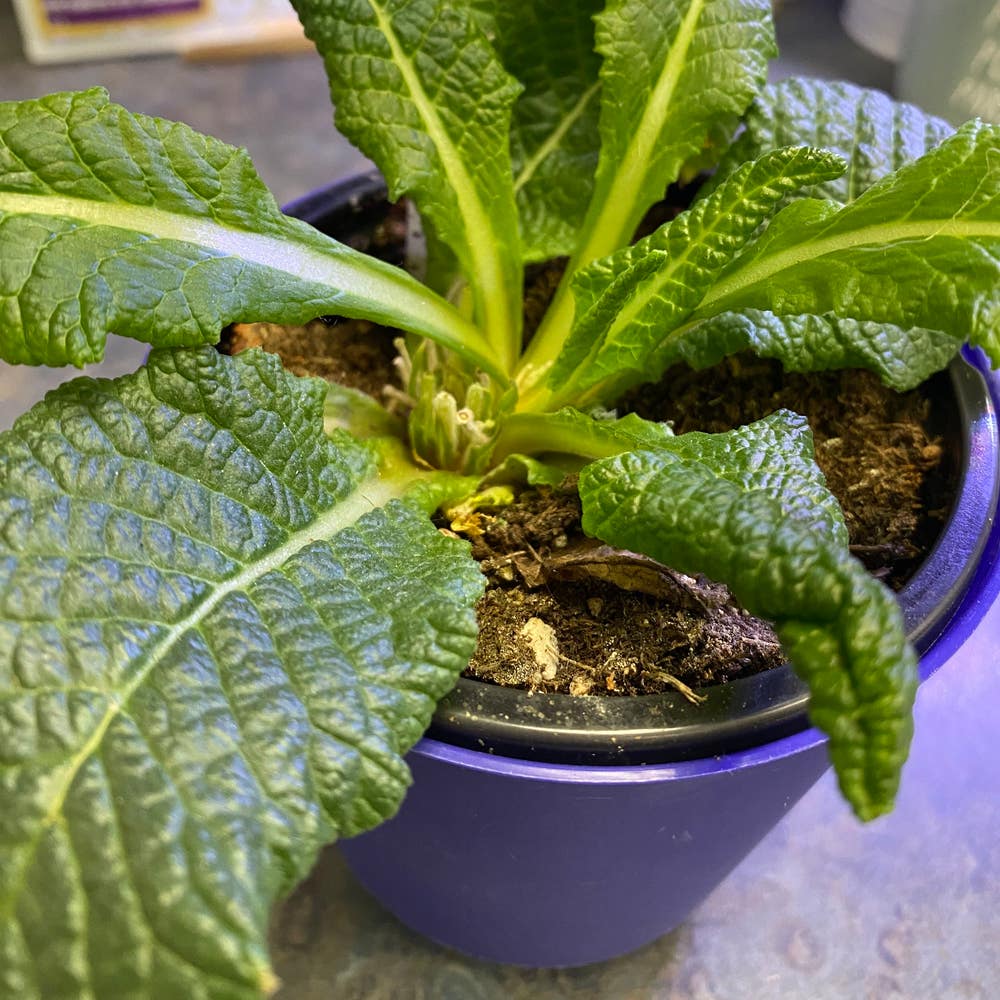
Ultimate Guide to What's Eating Your Double Primrose 🐞
Primula vulgaris 'Double'
By the Greg Editorial Team
Oct 15, 2024•6 min read
This article was created with the help of AI so we can cover more plants for you. May contain errors. See one? Report it here.
Safeguard your vibrant Double Primrose 🌼 from hungry herbivores while nurturing a thriving garden ecosystem!
- 🌼 Double Primrose attracts herbivores like deer, rabbits, and squirrels due to its tender shoots.
- 🦌 Effective deterrents include fencing and repellents to protect your plants from damage.
- 🐝 Beneficial insects like bees enhance pollination, balancing herbivore threats in your garden.
Appearance and Appeal
Double Primrose is a stunning addition to any garden, boasting vibrant flowers that bloom in clusters atop rosette leaves. These flowers are not just a feast for the eyes; their soft texture and high nutritional value make them particularly appealing to various herbivores.
🐾 Most Appealing Parts to Animals
The flowers are a primary target for hungry animals, drawn in by their delicate structure.
- Young Shoots: These tender, nutritious shoots are irresistible to many herbivores.
- Fruits: The fruits of the Double Primrose also attract a range of herbivores, eager for a tasty snack.
In essence, the Double Primrose's beauty comes with a price, as its most appealing features can lead to unwanted visitors in your garden. Understanding these aspects can help you better protect your plants while enjoying their vibrant presence.
Next, we’ll explore the common herbivores that might be feasting on your Double Primrose.
Common Herbivores
🦌 Deer
Signs and Damage
Deer are notorious for their presence in gardens, leaving behind distinct hoof prints in muddy areas. Their browsing habits can severely damage double primrose, leading to stunted growth as they munch on flowers and leaves.
Interaction
These creatures can be particularly harmful, often decimating plant populations in gardens. Their appetite for double primrose can quickly turn a vibrant patch into a sad sight.
Deterrent Methods (Difficulty: Moderate)
To keep deer at bay, consider using commercial deer repellents. Alternatively, erecting 8-foot tall fences or planting deer-resistant species nearby can provide effective organic solutions.
🐇 Rabbits
Signs and Damage
Rabbits leave small, round droppings near plants, a telltale sign of their presence. They gnaw on stems and leaves, often leaving clean cuts that can be quite damaging.
Interaction
These furry pests can lead to significant plant damage, making them a gardener's nightmare. Their love for double primrose can quickly turn a flourishing garden into a barren landscape.
Deterrent Methods (Difficulty: Easy)
Bitter-tasting sprays can deter rabbits effectively. Additionally, using fencing or planting rabbit-resistant plants can provide a simple yet effective organic solution.
🐿️ Squirrels
Signs and Damage
Squirrels are easily identified by chewed stems and uprooted plants. They often feed on flowers and young shoots, causing disruption in plant growth.
Interaction
Generally harmful, squirrels can wreak havoc on your double primrose. Their feeding habits can stunt growth and lead to an unhealthy plant.
Deterrent Methods (Difficulty: Moderate)
Squirrel repellents can help keep these critters away. You can also use scare tactics, like reflective objects, or plant deterrent herbs to protect your garden.
🐦 Birds
Signs and Damage
Birds leave peck marks on flowers and leaves, indicating their feeding habits. They often target seeds and young shoots, which can hinder plant development.
Interaction
Birds present a mixed bag; while some are beneficial pollinators, others can cause damage. Their presence can be both a blessing and a curse for your double primrose.
Deterrent Methods (Difficulty: Easy)
Bird repellents can help manage unwanted feasting. Organic options like netting or reflective tape can also deter birds from snacking on your plants.
🐭 Rodents
Signs and Damage
Rodents leave small holes in the ground and droppings near plants, signaling their activity. They gnaw on roots and stems, which can lead to severe plant decline.
Interaction
Generally harmful, rodents can cause significant damage to double primrose. Their feeding habits can undermine the health of your plants.
Deterrent Methods (Difficulty: Hard)
Using rodent baits can be effective, but it requires caution. Organic solutions like traps or planting deterrent plants, such as mint, can also help manage these pests.
🦡 Groundhogs/Woodchucks
Signs and Damage
Groundhogs leave behind burrows near garden beds and droppings, indicating their presence. They can cause extensive feeding on leaves and stems, leading to significant plant loss.
Interaction
These animals are generally harmful and can devastate garden areas. Their appetite for double primrose can quickly turn a thriving garden into a barren wasteland.
Deterrent Methods (Difficulty: Hard)
Commercial repellents can be effective against groundhogs. For a more organic approach, consider fencing buried at least 12 inches deep or planting deterrent species to keep them away.
As you navigate the challenges posed by these common herbivores, understanding their behaviors and implementing effective deterrent strategies will help protect your double primrose. Next, let’s explore the beneficial animals that can enhance your garden's ecosystem.
Beneficial Animals and Ecosystem Impact
🌼 Description and Positive Impacts
Double Primrose isn't just a feast for herbivores; it also attracts a host of beneficial animals. Bees and butterflies flock to its vibrant flowers, playing a crucial role in pollination.
This enhanced pollination leads to better seed production, ensuring the plant thrives. Additionally, by attracting beneficial insects, Double Primrose supports local biodiversity, creating a balanced ecosystem.
These positive interactions highlight the importance of nurturing not just the plants, but also the wildlife that contributes to their health. By fostering a diverse garden, you can enjoy the beauty of Double Primrose while supporting nature's intricate web.
As we explore ways to protect your Double Primrose from herbivores, remember the vital role these beneficial animals play. Their presence can significantly enhance your garden's resilience and beauty.
Protection Strategies
🛡️ Preventive Measures
To safeguard your Double Primrose, consider planting in protected areas. Utilizing barriers and companion planting can create a natural defense against herbivores.
Regular monitoring is essential for early detection of herbivore presence. Keeping an eye on your plants allows you to act swiftly before damage occurs.
⚔️ Reactive Solutions
When herbivores strike, immediate action is crucial. Employ repellents and physical barriers to protect your plants from further harm.
For long-term success, focus on habitat modification. Adjusting your garden layout can deter herbivores from making your Double Primrose their next meal.
🌱 Seasonal Variations
Be aware that spring brings increased herbivore activity as plants emerge. This is the time when your Double Primrose is most vulnerable.
By late summer, you may notice a decline in herbivore activity as food sources diversify. Staying vigilant during these transitions can help maintain your garden's health.
☠️ Toxicity
Interestingly, Double Primrose has mild toxicity. This can deter some herbivores while attracting others that are immune to its effects.
Understanding these dynamics can help you better manage your garden ecosystem. With the right strategies, you can enjoy the beauty of your Double Primrose while minimizing damage from unwanted visitors.
Next, let’s explore the beneficial animals that can enhance your garden's ecosystem.
⚠️ Safety First
This content is for general information and may contain errors, omissions, or outdated details. It is not medical, veterinary advice, or an endorsement of therapeutic claims.
Always consult a qualified healthcare professional before using any plant as food, medicine, or supplement.
Never eat any plant (or feed one to pets) without confirming its identity with at least two trusted sources.
If you suspect poisoning, call Poison Control (800) 222-1222, the Pet Poison Helpline (800) 213-6680, or your local emergency service immediately.
Spotted an error? Please report it here.
Keep your Double Primrose thriving 🌼 by using Greg's personalized care tips and reminders to fend off pesky herbivores and nurture beneficial wildlife in your garden!