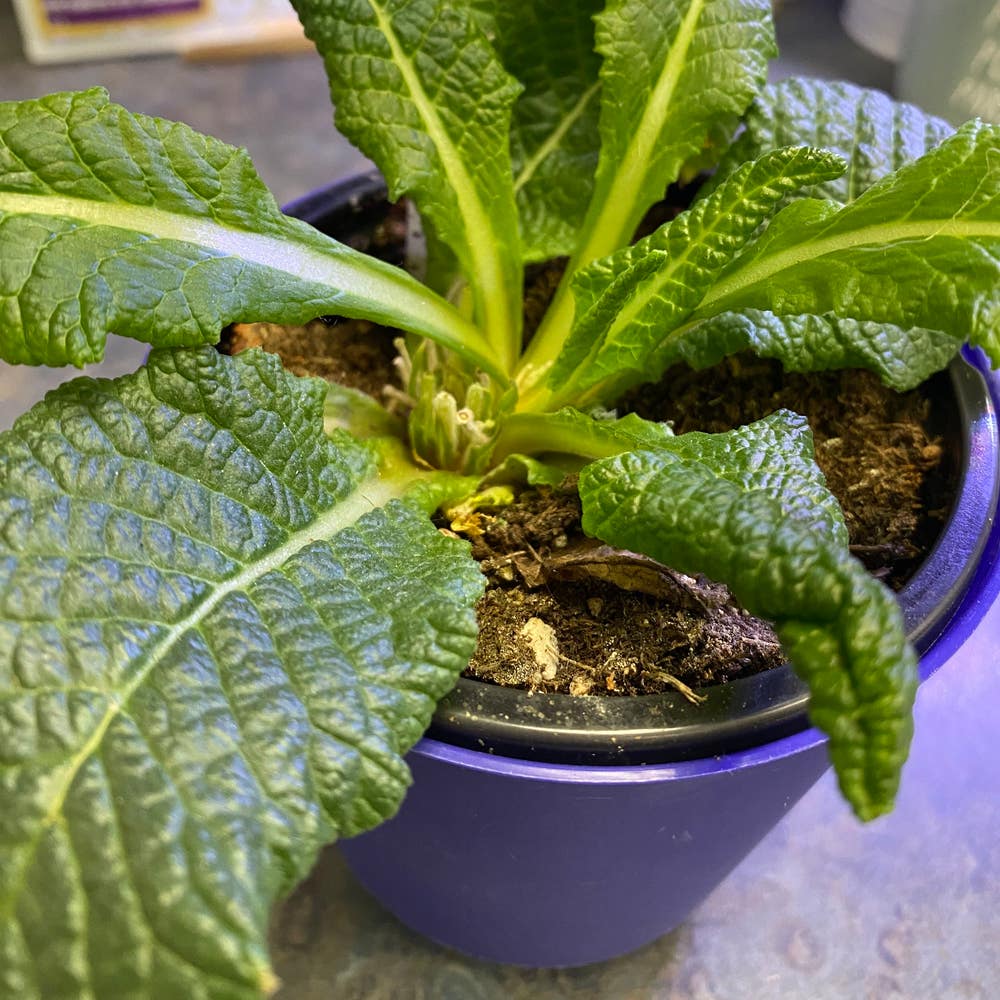
🌼 What to Do About Yellow Leaves on Your Double Primrose
Primula vulgaris 'Double'
By the Greg Editorial Team
Oct 16, 2024•6 min read
This article was created with the help of AI so we can cover more plants for you. May contain errors. See one? Report it here.
Transform your Double Primrose's health 🌱 by mastering the causes of yellow leaves and restoring its vibrant beauty!
- 🌱 Yellow leaves indicate overwatering, nutrient deficiencies, pests, or fungal infections.
- 💧 Adjust watering and improve drainage to prevent yellowing in Double Primrose.
- 🐛 Monitor for pests like aphids and treat promptly to maintain plant health.
Causes of Yellow Leaves
💧 Overwatering and Poor Drainage
Overwatering is a common culprit behind yellow leaves on your Double Primrose. Symptoms include yellowing leaves, wilting, and even root rot.
Soil drainage plays a crucial role in plant health. Well-draining soil prevents waterlogging, which can suffocate roots and lead to further issues.
Signs of poor drainage are easy to spot. Look for water pooling on the surface or slow absorption when you water.
🥦 Nutrient Deficiencies
Nitrogen Deficiency
A nitrogen deficiency manifests as general yellowing of older leaves and stunted growth. Nitrogen is essential for leaf development and overall plant vitality.
Without adequate nitrogen, your Primrose may struggle to thrive. This nutrient is vital for lush, green foliage.
Iron Deficiency
Iron deficiency presents itself with yellowing between leaf veins, while the veins themselves remain green. This condition is crucial for chlorophyll production and photosynthesis.
Without enough iron, your plant's ability to convert sunlight into energy diminishes, leading to further yellowing.
🐞 Pest Infestations
Aphids
Aphids are small pests that can wreak havoc on your Double Primrose. Signs of infestation include sticky residue on leaves and curled leaves.
These pests weaken the plant, making it more susceptible to yellowing and other health issues.
Spider Mites
Spider mites are another threat, identifiable by fine webbing and stippled or yellowing leaves. Their presence can significantly reduce the vigor and overall health of your plant.
If left unchecked, spider mites can cause extensive damage, leading to further yellowing.
🍄 Fungal Infections
Root Rot
Root rot is a serious condition characterized by wilting despite adequate watering and yellowing leaves. It often results from overwatering and poor drainage, creating an environment for fungal growth.
Addressing root rot early is essential to save your plant from decline.
Powdery Mildew
Powdery mildew appears as white powdery spots on leaves, with yellowing following as the disease progresses. High humidity and poor air circulation are common causes.
This fungal infection can spread quickly, so it's crucial to act promptly to protect your Primrose.
Understanding these causes is the first step in addressing yellow leaves on your Double Primrose. Next, we'll explore how to diagnose these issues effectively.
Diagnosing Yellow Leaves
👀 Visual Symptoms to Look For
When diagnosing yellow leaves on your Double Primrose, start by observing the type of yellowing. General yellowing indicates a broader issue, while localized yellowing may point to specific problems.
Next, pay attention to the texture of the leaves. Signs like wilting, curling, or crisping can reveal underlying stress factors affecting your plant's health.
🌱 Soil and Water Testing
Conducting a soil moisture test is essential. This helps you determine if your plant is over-saturated or too dry, both of which can lead to yellow leaves.
Additionally, pH testing is crucial for optimal growth. The ideal pH range for Primrose is between 6.0 and 7.0, ensuring your plant can absorb nutrients effectively.
🐛 Identifying Pests and Diseases
Regular inspections are key to maintaining plant health. Check the undersides of leaves for pests, as they often hide there, causing damage that leads to yellowing.
Look for signs of fungal infections as well. White spots or unusual growths on leaves can indicate a fungal issue that needs immediate attention.
By being vigilant and proactive, you can catch problems early and keep your Double Primrose thriving. Next, let’s explore effective treatment options to restore your plant’s vibrancy.
Treatment Options
Adjusting Watering Practices 🌧️
To keep your Double Primrose thriving, it's crucial to adjust your watering practices. Allow the top inch of soil to dry out before watering again to prevent overwatering.
Improving drainage is equally important. Consider adding perlite or sand to your soil mix to enhance aeration and prevent waterlogging.
Fertilization Techniques 🌱
Fertilization plays a key role in restoring your plant's health. Use balanced NPK fertilizers to replenish essential nutrients.
Timing is everything; fertilize during the growing season every 4-6 weeks for optimal results.
Pest Control Methods 🐛
Organic Options
For those who prefer natural solutions, neem oil is a fantastic choice. It's effective against common pests like aphids and spider mites.
Insecticidal soap is another safe option for your Primrose, providing a gentle yet effective way to combat infestations.
Chemical Options
If you're facing severe pest issues, systemic insecticides may be necessary. Always follow label instructions carefully to ensure safe and effective use.
Fungal Treatment Solutions 🍄
Fungal infections can be tricky, but fungicides can help. Apply them according to the specific timing and methods recommended for root rot and powdery mildew.
Additionally, cultural practices can make a significant difference. Improving air circulation and reducing humidity will create an environment less conducive to fungal growth.
By implementing these treatment options, you can effectively address the yellow leaves on your Double Primrose. With the right care, your plant can bounce back and flourish once again.
Preventative Measures
Best Practices for Watering and Drainage 🌊
Proper watering techniques are crucial for the health of your Double Primrose. Deep watering encourages root growth, allowing the plant to access moisture more effectively.
To enhance drainage, consider using well-draining potting mixes. This prevents waterlogging, which can lead to yellow leaves and root rot.
Soil Preparation and Fertilization 🌱
Before planting, conduct pre-planting soil tests to assess nutrient levels and pH. This ensures your Primrose has the right conditions for thriving.
Incorporating organic matter into your soil can significantly enhance its fertility and structure. Healthy soil supports robust plant growth and minimizes the risk of yellowing leaves.
Regular Monitoring for Pests and Diseases 🔍
Make it a habit to perform weekly inspections of your plants. Early detection of pests and diseases can save your Primrose from significant damage.
Keep a record of any changes in plant health. This helps you identify patterns and take action before issues escalate.
Seasonal Care Tips 🌦️
Adjust your care routine based on the seasons. Increase watering in spring when growth is active, and reduce it in winter to prevent overwatering.
Consider mulching around your plants. This practice retains moisture and regulates soil temperature, creating a stable environment for your Double Primrose.
By implementing these preventative measures, you can foster a healthy growing environment for your Double Primrose. This proactive approach will help you enjoy vibrant blooms and lush foliage year-round.
Recovery Strategies
Pruning Affected Leaves ✂️
Pruning is a straightforward yet effective way to rejuvenate your Double Primrose. Remove yellowing leaves promptly to encourage new growth and improve the plant's overall appearance.
Using clean, sharp pruning shears is essential. This prevents the spread of disease and ensures a clean cut, allowing your plant to heal quickly.
Rehabilitating Soil Health 🌱
Improving soil health is crucial for your plant's recovery. Adding compost and organic fertilizers enriches the soil, providing essential nutrients for robust growth.
Aeration is another key factor. It prevents soil compaction, allowing roots to breathe and absorb water more effectively.
Reassessing Light Conditions 🌞
Light exposure plays a significant role in plant health. Double Primroses thrive in full to partial shade, so ensure they receive the right amount of light.
If your plants are struggling, consider adjusting their placement. Moving pots or plants to better-lit areas can make a noticeable difference in their vitality.
These recovery strategies will help your Double Primrose bounce back. Next, let’s explore preventative measures to keep your plants healthy in the long run.
⚠️ Safety First
This content is for general information and may contain errors, omissions, or outdated details. It is not medical, veterinary advice, or an endorsement of therapeutic claims.
Always consult a qualified healthcare professional before using any plant as food, medicine, or supplement.
Never eat any plant (or feed one to pets) without confirming its identity with at least two trusted sources.
If you suspect poisoning, call Poison Control (800) 222-1222, the Pet Poison Helpline (800) 213-6680, or your local emergency service immediately.
Spotted an error? Please report it here.
Keep your Double Primrose vibrant and healthy 🌼 by using Greg's tailored care reminders to master watering, nutrients, and pest control—let's turn those yellow leaves green!